
Coordinated biodiversity monitoring: from innovation to implementation
A new CORDIS Results Pack highlights how Biodiversa+ is testing new tools and approaches to improve monitoring across Europe…


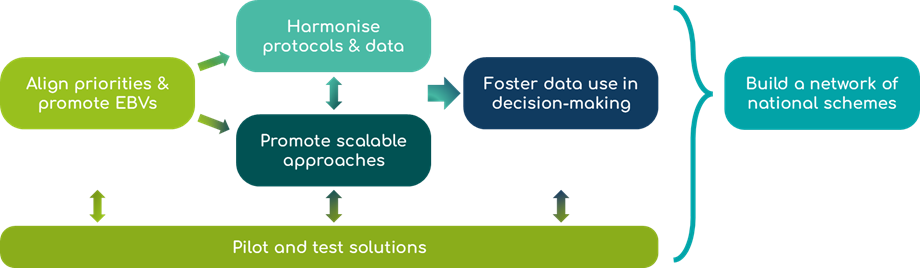
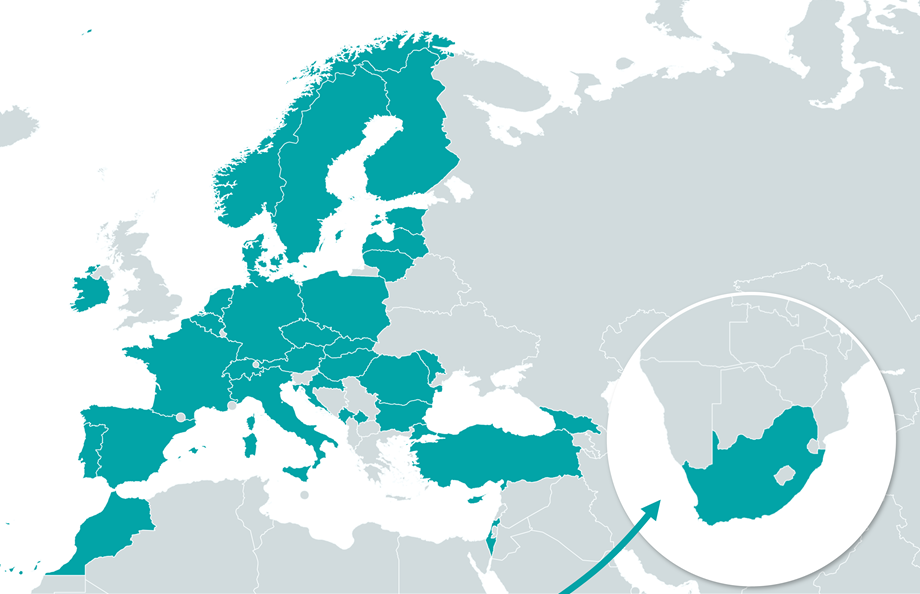
Reversing biodiversity loss and meeting Europe’s 2030 and 2050 targets requires urgent, coordinated action and robust knowledge. Biodiversa+ contributes by building a long-term transnational network that links national and regional biodiversity monitoring schemes, strengthening Europe-wide capacity to track trends.
Working with partners such as the European Environment Agency (EEA), the Joint Research Centre (JRC) and the Global Biodiversity Information Facility (GBIF), Biodiversa+ helps shape a shared strategic framework aligned with European and global biodiversity goals, supporting evidence-based decision-making at all levels.
To deliver this, Biodiversa+ works across six areas: defining shared priorities and indicators; harmonising protocols, methods, and data standards; promoting innovative technologies and citizen participation; enabling data use by policymakers and businesses; establishing governance and networks connecting national and regional schemes; and running pilots to test common monitoring approaches.
Quick access: Priorities | Harmonisation | Scaling up | Data use | Governance | Pilots | News
Biodiversa+ identifies key biodiversity components, from genes to ecosystems, that need improved monitoring and coordination across Europe. This helps focus efforts where capacity and resources are most needed and supports the development of shared indicators.

Bats are long-living, slowly reproducing animals that are sensitive indicators for environmental change and pressures, such as habitat fragmentation, ecosystem stress or changing habitat use, resulting from human activities. They also play an essential role in pest control. After a historical massive decline throughout the 20th century, some bat populations seem to partially recover, but many species remain endangered and are in unfavourable conservation status in most of European biogeographical regions.
Pressures and threats include habitat loss (size and quality), collisions with wind turbines, light pollution, agriculture, road infrastructure, water management and pollution, inappropriate forest management, and diseases. Collecting harmonised data on status and trends of bats across Europe is a necessary step towards informed conservation actions and regulatory requirements in order to improve their conservation status and/or conservation trend.
The UNEP/EUROBATS Agreement on Conservation of European Bat Populations (EUROBATS) is an established network of key bat research and conservation actors in Europe, consisting of universities, range states, national and international non-governmental organisations (NGOs). It focuses on bat conservation, their migratory status, development of guidelines to mitigate recognized key threats, and working towards the production of population trends, through harmonisation of monitoring protocols. The Bat Monitoring Programme (mostly implemented in Spain but currently expanding to other European countries) currently tries to use citizen science in order to complement bat monitoring.
At the European level, all 45 species of bats are listed under the Habitat Directive to receive strict protection (Annex IV) and 14 species require the designation of Special Areas of Conservation (Annex II). At the international level, all the species are protected under the Bern Convention (Bern Convention on the Conservation of European Wildlife and Natural Habitats) and Bonn Convention (Convention on the Conservation of Migratory Species of Wild Animals).
An ongoing Biodiversa+ pilot is focusing on the deployment of multi-taxa monitoring stations (targeting nocturnal insects, bats, and birds): “ABMS: Automated monitoring of birds, bats and nocturnal insects through sound and image recognition” (2024–2025).
In addition, during the 2nd instalment, 3 Biodiversa+ partners: BOZEN, DACC and OFB are investing in national biodiversity monitoring activities on this priority.
Bats

Species abundance and persistence are key components of biodiversity, especially from a functional perspective. A lot of effort has been devoted to rare, threatened and endangered, or emblematic species. However, common species play a critical role as they are likely to contribute disproportionately more than rare ones to ecosystem structure, function, and services. Yet, little attention has been given to common species, and no harmonised approach is currently in place to monitor biodiversity of common species as a whole across Europe.
A transnational multi-taxa approach is necessary to overcome national and subnational differences, and provide comparable data on ecosystems’ health at the continental scale. There is also a good methodological opportunity to monitor those species that are, by definition, common across Europe, and can adequately be monitored using a broad, cost-efficient, harmonizable, sampling scheme.
The focus of this priority should specifically be the harmonisation of approaches to monitor common species, particularly understudied taxa, at the European scale in order to provide more comprehensive information (e.g. based on species list and presence/absence data) for models and scenarios.
Existing indicators at the European scale include common farmland and forest birds, common grassland butterflies, and common fishes in the European North-East Atlantic waters. Specifically, on birds, the EuroBirdPortal gathers existing data from online bird recording portals from across Europe to describe the temporal and spatial distribution of birds across large geographical areas and their change over time. Other common taxa are vastly understudied, and would benefit from a multi-taxa approach.
Three Biodiversa-funded projects (under the BiodivMon call) relate to this priority:
In addition, an ongoing Biodiversa+ pilot is focusing on the deployment of multi-taxa monitoring stations (targeting nocturnal insects, bats, and birds): “ABMS: Automated monitoring of birds, bats and nocturnal insects through sound and image recognition” (2024–2025). In addition, during the 2nd instalment, 6 Biodiversa+ partners: DACC, EAA, MEPA, NPWS, OFB and SAS are investing in national biodiversity monitoring activities on this priority.
Common Species
Intraspecific genetic variation is a crucial component of biodiversity, yet is very poorly covered in biodiversity monitoring initiatives, even across the EU. This includes estimation of intraspecific parameters such as effective population size, genetic diversity, inbreeding, population structure, and gene flow at large spatio-temporal scales. Recently, the CBD has adopted two genetic diversity indicators. These indicators can be reported using non-genetic monitoring data, which allows for fast adoption and a wide representation of species. This information is required for reporting to the CBD, but also benefits the Habitats and Bird Directives to assess the favourable reference population, i.e. the minimum population necessary to ensure the long-term viability of the species. The downsides of non-genetic proxies are that they lack precision and risk missing certain types of species, which may not be well targeted without true genetic data. Efforts are thus required to identify blind spots in proxy-based assessments of genetic indicators across the EU, and suggest solutions to solve this issue, especially for species with populations occurring across country borders.
Relevant working groups include the Conservation Genetics Specialist Group from the International Union for Conservation of Nature, and the Conservation Genetics Working Group from the Society for Conservation Biology. In Europe, in addition to national initiatives, it is worth mentioning the G-BiKE project (“Genomic Biodiversity Knowledge for Resilient Ecosystems”, EU Cost Action 18134, 2019–2023), a scientific network from 39 European countries with the aim of establishing the use of genomic data as a standard tool for monitoring and managing wild and ex situ populations of plants and animals. Also noteworthy is the Genetic Nature Observation and Action (GENOA, EU Cost Action 23121, 2024–2028), a European network across 34 European countries (and counting), focusing on the integration of genetic indicators across Europe in species management and conservation planning. GENOA is a knowledge hub for national stakeholders, and is tightly linked to G-BiKE and the GINAMO project (“Genetic Indicators for Nature Monitoring”, see below).
In the marine realm, the European Marine Omics Biodiversity Observation Network (EMO BON), launched in 2021 by the European Marine Biological Resource Centre (EMBRC), will fill current gaps in the genetic composition of marine biodiversity through a network of 16 sites from Northern Norway to the tropical Red Sea in Israel. The GBF recognises the importance of genetic diversity and requires its signatories to use two genetic diversity indicators: the percentage of a species’ populations that are large enough (~5,000 individuals, on average) to maintain their genetic diversity; and the percentage of a species’ populations that have been maintained.
The Biodiversa+-funded project GINAMO (“Genetic Indicators for NAture MOnitoring”), under the BiodivMon call, will further test, improve and deploy the GBF genetic indicators across several EU partner countries, at the national level.
In addition, a pilot candidate focusing specifically on genetic diversity of transboundary populations will be developed in 2025 for the 3rd wave of Biodiversa+ pilots.
Finally, during the 2nd instalment, 6 Biodiversa+ partners: NPWS, OFB, SAS SEPA, SPW_DGO3 and SwAM are investing in national biodiversity monitoring activities on this priority.
Genetic composition

Habitats and associated ecosystem services remain an area requiring important monitoring efforts. An essential part of habitat monitoring is mapping — for instance, the new NRR requests to comprehensively map habitats in terrestrial, freshwater and marine realms, as well as to assess habitat quality to find suitable restoration areas and/or monitor changes in large-scale quality and pressure parameters. Habitat mapping quality and methods vary largely from country to country and should be developed further in a harmonised way. A relevant avenue for development is the use of remote sensing (RS) methods, which are under-utilised for monitoring of high nature-value land, such as habitat types listed in Annex I of the Habitats Directive, despite efforts within the Copernicus programme. While RS methods will not be able to cover all needs in this respect, they have a huge unexplored potential to contribute to an efficient and harmonised mapping and monitoring system of European habitats.
The Ad-hoc expert group on habitat quality under the EU Expert group on reporting (Contract nr. 09.0201/2022/883379/SER/ENV.D.3) is currently reviewing the EU member states methods and data used for assessing habitat quality for Annex 1 habitats in the Habitats Directive. The group will also propose methods for evaluating habitat quality for use in EU reporting according to Article 17 in the Habitats Directive. This takes place in the EU Biodiversity Strategy for 2030, and specifically the NRR, which aims to reverse the degradation of ecosystems and habitats with actions for restoration. The Habitats Directive, while in place since 1992, is also acutely relevant as a strong regulation to monitor habitats and their condition.
Five Biodiversa+-funded projects (under the BiodivMon call) relate to this priority:
In addition, Biodiversa+ has launched a Habitat pilot in January 2024, focusing on monitoring and mapping of grassland and wetland habitats (see also below for the specific priority on Wetlands), with the aim to build a harmonised monitoring and mapping system for these two terrestrial habitats, and assess how remote sensing can effectively contribute to this goal. Two pilot candidates related to Habitats will be developed in 2025. The first one will focus on monitoring and mapping the condition of forest habitats, with similar aims as the current Habitat pilot. The second one will focus specifically on ponds, which are often biodiversity hotspots in local and regional contexts.
Finally, 11 Biodiversa+ partners invested in national biodiversity monitoring activities on habitats through Biodiversa+ during the 1st instalment: BOZEN, ExEA, MESD, MoC_EE, MoE_DK, MoE_FI, NCA_CZ, OFB, SAS, SEPA, SPW_DGO3 and VL O. This figure increased to 19 during the Biodiversa+ 2nd instalment: BOZEN, DACC, EAA, EPA_M, ExEA, MEPA, MESD, MoC_EE, MoE_DK, MoE_FI, MoEP, NCA_CZ, NPWS, OFB, SAS, SEPA, SPW_DGO3, VL O and SwAM.
Habitats

Insects are a crucial compartment of biodiversity, making up roughly half of currently described extant species (across all groups). Insect populations are undergoing a fast decline in Europe in response to major pressures such as pesticide use, landscape homogenisation and connectivity disruption. This is of great concern since they are key functional components of ecosystems, acting as pollinators and decomposers, a major food source in the food chain, and powerful regulators of plants and animals. Despite their clear importance, their monitoring is hindered by the diversity of species and identification challenges for many taxa. This calls for novel solutions, based on recent technological developments, to complement traditional monitoring methods. Citizen science in particular has seen a rising interest in recent years, and volunteer contributions can become an essential part of insect monitoring in Europe.
The revised EU Pollinators Initiative (“New Deal for Pollinators”) refers to the binding commitments to the recovery of pollinators by 2030, contained in the recent NRR, and to the need to finalise the EU Pollinator Monitoring Scheme (EU-PoMS) and carry out pollinator monitoring, as trialled in several countries through the EU SPRING project (“Strengthening Pollinator Recovery through Indicators and Monitoring”). The European Long-Term Ecosystem Research (eLTER) could provide the infrastructure to monitor insects over a network of sites throughout Europe.
Three Biodiversa+-funded projects (under the BiodivMon call) relate to this priority:
The IAS pilot, launched in 2023, with a module focusing on nocturnal invasive insects; the ABMS pilot, launched in 2024, with a module focusing on nocturnal insects in general; and the Soil biodiversity pilot, launched in 2023, in which insects are part of the macro-fauna target group. In addition, a pilot candidate focusing on insect monitoring will be developed in 2025, which aims to harmonize methods and establish best practices for EU-wide monitoring using DNA methods, Malaise traps and volunteer engagement.
Finally, 8 Biodiversa+ partners invested in national biodiversity monitoring activities on insects through Biodiversa+ during the 1st instalment: BOZEN, ExEA, MESD, NCA_CZ, NEA, OFB, SPW_DGO3 and VL O. This figure increased to 14 during the Biodiversa+ 2nd instalment: BOZEN, DACC, EEA, EPA_M, ExEA, MoE_DK, MoE_FI, NCA_CZ, NPWS, OFB, SAS, SEPA, SPW_DGO3 and VL O.
Insects

The severe global threat posed by invasive alien species (IAS) is underappreciated, underestimated, and often even unacknowledged. The recent assessment report on invasive alien species from the Intergovernmental Platform on Biodiversity and Ecosystem Services (IPBES) found that more than 37,000 alien species have been introduced by many human activities to regions and biomes around the world, across all three realms of biodiversity. More than 3,500 of these IAS are harmful, i.e. seriously threatening nature, nature’s contributions to people and good quality of life. Repeatable and efficient sampling methods that can expand the extent and resolution of monitoring invasive alien species and speed up the process of updating regional and global overviews on changes in the occurrence of IAS are critically needed. Note that this priority includes the near-synonymous term of non-indigenous species (NIS) in the marine realm, as the adverse effects of alien species necessary to qualify invasiveness are rather difficult to assess in marine environments.
Monitoring of IAS is a key element of the EU Invasive alien species Regulation (1143/2014) on the prevention and management of the introduction and spread of invasive alien species. The core of the Regulation is the list of Invasive Alien Species of Union concern (Union List). As a key element of the implementation of this regulation, the European Alien Species Information Network (EASIN) facilitates the exploration and sharing of existing information on alien species across Europe. In the marine realm, regional coordination for the development and application of appropriate monitoring methods for early detection of NIS exist within the Baltic Marine Environment Protection Commission (Helsinki Commission, HELCOM) and the OSPAR Commission (Convention for the Protection of the Marine Environment of the North-East Atlantic). At a broader scale, the Target 6 of the GBF is highly relevant (“Reduce the Introduction of Invasive Alien Species by 50% and Minimize Their Impact”), and supported by the Global Register of Introduced and Invasive Species (GRIIS) to maximise the data utility for biodiversity monitoring and IAS management.
The Biodiversa+-funded project CLIMATE INVASIVES (“Minimizing the negative effects of climate change-induced spread of invasive alien species to marine protected areas”), under the BiodivProtect call, will notably detect and monitor IAS in marine protected areas. In addition, Biodiversa+ has launched an IAS pilot in January 2023, which aims to establish the foundation for the implementation of transnational monitoring of invasive alien plant and insect species, using innovative imaging methods.
In addition, two pilot candidates related to IAS will be developed in 2025. The first one will focus on the monitoring of marine NIS through introduction sites, while the second will focus on the harmonization of IAS early detection and rapid response systems in freshwater. Both candidates suggest the use of standardised protocol based on metabarcoding, i.e. the simultaneous identification of multiple taxa through environmental DNA (eDNA).
Finally, 7 Biodiversa+ partners invested in national biodiversity monitoring activities on invasive alien species through Biodiversa+ during the 1st instalment: ExEA, MESD, MoC_EE, NEA, OFB, SAS and SPW_DGO3. This figure increased to 13 during the Biodiversa+ 2nd instalment: DACC, EPA_M, MEPA, MoE_DK, MoC_EE, MoEP, NEA, NPWS, OFB, SAS, SPW_DGO3, SwAM and VL O.
Invasive Alien Species
Marine biodiversity is in decline, whether it is large mammals, sharks or corals. Threats range from extensive land use to climate change, through eutrophication, pollution and invasive alien species. This priority includes a broad spectrum of marine biodiversity, from plankton which forms the basis of the marine food web, to the largest marine megafauna and seabirds, which play crucial roles in ecosystem functioning. An integrated approach considering both coastal and offshore ecosystems is required: Coastal ecosystems (including shallow waters, estuaries, salt marshes etc.) are highly impacted by anthropogenic activities like ports, aquaculture and tourism, and thus require specific attention on their vulnerability and ecological impact assessment. Offshore areas characterized by deeper water face distinct challenges such as deep-sea mining, pollution (litter, oil spills), and overfishing that necessitate dedicated monitoring efforts.
Several European and global initiatives address some aspect of marine biodiversity monitoring:
Monitoring marine habitats aligns with the objectives of the EU Marine Strategy Framework Directive (MSFD), which requires Member States to assess the Good Environmental Status of their marine waters with a particular focus on biodiversity components. Furthermore, it contributes to the implementation of the Habitats Directive, aimed at the conservation of marine habitats and species, and supports the goals of the GBF, particularly those related to marine and coastal ecosystems. The recent NRR also includes specific restoration targets on marine habitats such as seagrass beds or sediment bottoms, and the habitats of iconic marine species such as dolphins and porpoises, sharks and seabirds.
Eleven Biodiversa+-funded projects (3 under the BiodivProtect call and 8 projects under the BiodivMon call) relate to this priority:
In addition, the Biodiversa+ pilot program will provide inputs on the effective utilization of data, methodologies and contribute to comprehensive marine biodiversity monitoring activities: The EuRockFish pilot, started in 2024, develops and tests standard protocols to monitor and assess the ecological status of European reef fish. In addition, a pilot candidate focusing specifically on marine non-indigenous species will be developed in 2025 for the 3rd wave of Biodiversa+ pilots.
In addition, ongoing collaboration with the MARCO-BOLO project, that focuses on long-term monitoring of marine biodiversity within coastal zones, will facilitate the effective utilization of existing data, methodologies, and expertise, maximizing the impact and efficiency of collective efforts.
Finally, 5 Biodiversa+ partners invested in national biodiversity monitoring activities on marine biodiversity through Biodiversa+ during the 1st instalment: MESD, MoC_EE, MoE_FI, MoEP and OFB. This figure increased to 9 during the Biodiversa+ 2nd instalment: EPA_M, MESD, MoE_DK, MoC_EE, MoE_FI, MoEP, NPWS, OFB and SwAM.
Marine Biodiversity

Rationale
Protected areas play a critical role in safeguarding Europe’s biodiversity, where effective area-based conservation measures can maximise the ability to conserve biodiversity and prevent extinctions. The EU Biodiversity Strategy for 2030 has set the goal to protect at least 30 % of the land and sea (which has been reinforced by the same target in the GBF). With the Natura 2000 network, Europe has the largest coordinated network of protected areas in the world. Natura 2000 is made up of Special Areas of Conservation and Special Protection Areas designated under the Habitats and Birds Directive, respectively, and includes both terrestrial and marine protected areas. As of 2022, Natura 2000 covers more than 18 % of the EU’s land area and more than 7 % of its marine area, and is completed by regulatory protected areas at national and subnational levels in European countries. The unique position of protected areas in the conservation landscape together with their connections at the European level calls for the intensification and harmonisation of biodiversity monitoring within protected areas, which is the focus of this priority. Note that this priority focuses on monitoring aspects of Protected Areas, aiming at standardisation and harmonisation of practices, as well as the collection and analysis of necessary data to evaluate the effectiveness of protected areas (including comparisons inside and outside of protected areas).
Existing initiatives and policy relevance
While regulatory targets in terms of area have particularly driven the landscape in recent years, few initiatives focus on standardisation and harmonisation of biodiversity monitoring in protected areas itself. Of noteworthy importance is the IUCN’s framework for monitoring biodiversity in protected areas , which aims to help managers and site planners to develop effective biodiversity monitoring programmes for improved management outcomes. In addition, the Copernicus programme provides dedicated services for protected areas on land (through the Copernicus Land Monitoring Service) and at sea (through the Copernicus Marine Service) that monitor environmental variables relevant for both realms. Several protected areas throughout Europe are also eLTER sites, making them relevant targets for the development of standard practices.
Biodiversa+ activities
In January 2023, Biodiversa+ has launched a Soil biodiversity pilot, focusing on near-natural forests, preferably Natura 2000 sites (see below Priority on “Soil biodiversity” for more details).
In addition, in 2024, the third Biodiversa+ desk study started, which will produce a review on Protected Area’s effectiveness (“How is the effectiveness of terrestrial protected areas to conserve biodiversity measured?”), with an outcome expected in 2025.
Finally, 5 Biodiversa+ partners invested in national biodiversity monitoring activities on protected areas through Biodiversa+ during the 1st instalment: BOZEN, ExEA, MoC_EE, OFB and SAS. This figure increased to 12 during the Biodiversa+ 2nd instalment: BOZEN, DACC, EAA, MEPA, MoE_DK, MoC_EE, NPWS, OFB, SAS, SPW_DGO3, SwAM and VL O.
Protected Areas

Soils are home to almost 60 % of the known species, and many more, particularly from the microbial species pool, are still unknown. Soil organisms are involved in a wide range of soil and ecosystem processes such as litter decomposition, nutrient cycling, water filtration and pest control and are thus essential for ecosystem functioning. Little is known about how soil organisms will be affected by global change and how changes in community composition will affect ecosystem processes, mainly because long-term data on soil biodiversity are largely lacking. In addition, species identification has been difficult due to the wide range of taxa that make up soil communities, and taxa have mostly only been identified at the level of the order or family (for invertebrates) or operational taxonomic unit (for microorganisms). Thus, there is immense need for more soil biodiversity data, especially comprising all taxons, ranging from microbes (including fungi) to invertebrates, an assessment which is currently largely missing. Novel technologies, such as eDNA, are now mature enough to help bridge this gap.
Several initiatives have been launched recently to monitor soil biodiversity, such as the Land Use/Land Cover Area Frame Survey (LUCAS) Soil module in Europe and the global Soil Biodiversity Observation Network (SoilBON). While LUCAS aims at agricultural sites, SoilBON uses a paired approach with a protected and an unprotected site, but with only few sites in Europe. The EU has a list of policies in which soil biodiversity plays a key role, such as the EU Biodiversity Strategy 2030, which includes the EU Soil Strategy 2030, the Habitats Directive, the NRR, and the upcoming Soil Monitoring Law (proposal for a Directive on Soil Monitoring and Resilience), which aims, among other things, at healthy soils to ensure food security. In addition, the EU Mission “A Soil Deal for Europe” aims to establish 100 living labs and lighthouses to lead the transition towards healthy soils by 2030.
Notable projects funded through the Mission include:
Three Biodiversa+-funded projects (1 under the BiodivProtect call and 2 under the BiodivMon call) relate to this priority:
In addition, Biodiversa+ has launched a Soil biodiversity pilot in January 2023, which aims to advance a possible large-scale soil biodiversity monitoring scheme by developing a feasible experimental design, defining and optimising a common protocol for field and laboratory work, as well as testing the use of EBVs and other indicators of soil diversity and functionality in soil biodiversity monitoring (in particular those that have been proposed by the Soil Monitoring Law).
In addition, 5 Biodiversa+ partners invested in national biodiversity monitoring activities on soil biodiversity through Biodiversa+ during the 1st instalment: BMUV, BOZEN, SAS, SEPA and VL O. This figure increased to 7 during the Biodiversa+ 2nd instalment: BOZEN, DACC, EAA, MEPA, SAS, SEPA and VL O.
Soil Biodiversity
Urban biodiversity is often overlooked, despite the demonstrated social and health benefits associated with green spaces in a broad sense, from ecosystem services to well-being and mental health. There is increasing evidence that healthy urban ecosystems are more resistant to climate change and are one of the key measures for adapting and mitigating climate change impacts in cities. Pressures on urban biodiversity, which includes strictly protected taxa, range from light, noise, air, water and soil pollution to urban management that does not take into account ecological needs of taxa and urban ecosystems in order to be sustainable.
In addition, there is limited harmonisation of methods and indicators for measuring urban biodiversity at the European scale. In line with the EU Biodiversity Strategy for 2030, as well as the new NRR, it is now critical to monitor the status and trends of urban biodiversity, in order to develop informed conservation measures and guidelines for sustainable management of green infrastructure, as well as other urban areas that are important for biodiversity, roosts in buildings, river banks, etc. Since 75 % of the European population lives in cities, that makes city dwellers a key target group to raise awareness about biodiversity and mobilise citizen science.
This work should be conducted hand in hand with the Green City Accord, a movement of European cities (with over 100 signatories) committed to making cities cleaner and healthier, and build on the outcome of BiodiverCities, a pilot project nearing completion with the aim to enhance the biodiversity and green infrastructure of European cities. Potential links with the Driving Urban Transitions Partnership will also need to be explored, such as common approaches to evaluate the degree of biodiversity in European urban areas. Several national or local initiatives also exist, such as the French Capitals of Biodiversity and the newly established centre for research of urban biodiversity “Sciurus” in Zagreb (Croatia), and would also benefit from the monitoring dimension of this priority.
A pilot candidate focusing on monitoring urban biodiversity has been developed for the second wave of Biodiversa+’s pilots (2024–2025), but was eventually withdrawn before evaluation. In addition, 4 Biodiversa+ partners invested in national biodiversity monitoring activities on urban biodiversity through Biodiversa+ during the 2nd instalment: BOZEN, MoEP, SAS and SPW_DGO3.
Urban Biodiversity

Wetlands have undergone a strong decline globally in the past century, and are currently under threat from urbanisation, pollution and agricultural intensification. Despite being a small portion of Europe, they are increasingly recognized as critical ecosystems as they play a crucial role in biodiversity conservation, ecosystem services, water regulation and carbon sequestration. With sites present in all European countries from Scandinavia to the Mediterranean Sea, wetlands host a high biodiversity (e.g. up to 40 % of plant species), but existing policy frameworks at the European scale are not enforced or comprehensive. There is, therefore, a need for harmonised monitoring of wetland biodiversity across taxa over Europe. It is worth noting that identifying and delineating every wetland across Europe would require massive effort and multidimensional resources. This priority should instead focus on established wetlands across Europe (e.g. according to the European Nature Information System [EUNIS]) in order to provide data on their ecological status in a manageable way. Having multi-taxa biodiversity monitoring (plants, invertebrates, birds, mammals, etc.) provides more comprehensive information on habitat conservation.
Several initiatives of importance dealing with wetlands should be mentioned. On a global scale, the Convention on Wetlands (Ramsar Convention on Wetlands of International Importance Especially as Waterfowl Habitat) contributes to the conservation and sustainable use of wetlands. GEO-Wetlands is a partnership created for the development of a global wetland observation system initiated by the Convention on Wetlands and supported by Group on Earth Observations Biodiversity Observation Network (GEO BON).
In Europe, work in this priority should also coordinate with the Mediterranean Initiative on the Ramsar Convention on Wetlands (MedWet, 25 countries) and the Carpathian Wetland Initiative (CWI, 7 countries), as well as Wetlands International Europe (11 NGOs from 8 countries).
Two Horizon 2020 projects are also relevant for this priority:
Local or national initiatives also exist, such as the project Mhéo (Milieux humides, évaluation, observation—Wetlands, evaluation, observation) in France, which aims at harmonising biodiversity monitoring protocols in wetlands at a national scale.
Two Biodiversa+-funded projects (under the BiodivMon call) relate to this priority:
In addition, Biodiversa+ has launched a Habitat pilot in January 2024, focusing on monitoring and mapping of grassland and wetland habitats, with the aim to build a harmonised monitoring and mapping system for these two terrestrial habitats, and assess how remote sensing can effectively contribute to this goal.
In addition, during the 2nd instalment, 3 Biodiversa+ partners are investing in national biodiversity monitoring activities on this priority: NPWS, OFB and SAS.
Wetlands
The interactions between wildlife, livestock and humans increase the risk of pathogen transmission and biodiversity erosion, which in turn increase the risk of emerging infectious diseases, both of terrestrial (e.g. white nose disease in bats or the African swine fever) and aquatic animals (e.g. amphibian Herpesvirus skin disease), and zoonotic risks (such as the avian influenza). This is the core concept of the One Health approach, at the intersection of human health, animal health, and environmental health. It is therefore critical to detect new infectious diseases early, and identify pathogens that can be transmitted to humans, such as mosquitoes and ticks, or shared between wildlife and livestock. Ultimately, this calls for the monitoring in space and time of diseases of species of strategic importance for the health of both wild and domesticated populations or for humans.
The European Green Deal, with the Farm to Fork Strategy, aims to make food systems fair, healthy and environmentally-friendly. In practice, the European Food Safety Authority (EFSA) is an agency that provides scientific advice to risk managers and communicates on risks associated with the food chain. Specifically, on the African swine fever, each Member States has to develop a National action plan for wild porcine animals in order to avoid the spread of the disease. Recently, the European commission launched the European Partnership on Animal Health and Welfare (EUP AH&W, Horizon Europe Programme) to control infectious diseases of animals, and to promote animal welfare.
The Biodiversa+-funded project IMPACT (“Integrated Monitoring of Parasites in Changing Environments”), under the BiodivMon call, will monitor freshwater fish parasite biodiversity.
In addition, 5 Biodiversa+ partners invested in national biodiversity monitoring activities on wildlife diseases through Biodiversa+ during the 1st instalment: MESD, MoC_EE, MoEP, OFB and VL O. This figure increased to 9 during the Biodiversa+ 2nd instalment: MEPA, MESD, MoC_EE, MoEP, OFB, SAS, SPW_DGO3, SwAM and VL O.
Wildlife Diseases
This special topic covers all aspects of biodiversity monitoring that are not related to specific biodiversity monitoring activities per se, but are nevertheless crucial for the advancement of biodiversity monitoring across scales. This includes fundamental aspects like governance, information systems (data systems), biodiversity metrics (e.g. essential biodiversity variables [EBVs], aggregative or composite indicators), supporting the uptake of novel technologies to monitor biodiversity, and the role of social sciences in biodiversity monitoring. Several aspects need to be considered, from filling in gaps and missing pieces in the biodiversity monitoring landscape, to coordination of existing schemes in order to leverage at a higher level the effort of national and subnational programmes.
The EU Biodiversity Strategy for 2030 is central for the Biodiversa+ partnership, with direct links to European regulations: the Habitats and Birds Directives, the Nature Restoration Regulation, the MSFD, the Water Framework Directive (WFD), the upcoming Soil Directive, and the Natura 2000 network. In relation to the piloting of a European Biodiversity Observation Coordination Centre (EBOCC), Biodiversa+ aims to help build national biodiversity monitoring coordination centres. Key transnational actors in this area include the European Environment Agency (EEA), European Environment Information and Observation Network (Eionet), and the European Topic Centre Biodiversity and Ecosystems (ETC BE). Global initiatives such as the Global Biodiversity Information Facility (GBIF), the Ocean Biodiversity Information System (OBIS), and the Global Biodiversity Observing System (GBiOS, a global observatory to monitor Earth’s biodiversity developed by GEO BON) aim to streamline data sharing and collaboration by combining technology, data, and knowledge from around the world.
At the European scale, several research infrastructures are relevant actors for transversal activities: LifeWatch ERIC is a research infrastructure aims to provide online access to the world’s biodiversity content, services and communities for scientists; EMBRC facilitates access to services, facilities, and technology platforms for marine biodiversity and ecosystems research; the eLTER Research Infrastructure provides services for users (from data management to analysis and synthesis) and in-situ facilities for long-term ecosystem research. Finally, the GBF calls for integrating biodiversity in decision making, strengthening capacity building and technology transfer, and data and knowledge sharing through several targets.
Five Biodiversa+-funded projects (1 under the BiodivProtect call and 4 under the BiodivMon call) relate to this priority:
Altogether, transversal activities are a core focus of Biodiversa+, notably through the governance pilot (2023) and all the Biodiversa+ biodiversity monitoring activities at transnational level to support, in the long-term, the establishment of a transnational network of (sub-)national biodiversity monitoring schemes, well linked with Research & Innovation and policy, leading to improved monitoring of biodiversity. Biodiversa+ is committed to promote collaboration (notably through data sharing) across levels, all the way from transnational to local — while adhering to the principle of subsidiarity.
Many ongoing and planned activities within the partnership essentially reinforce this approach, from the support to national biodiversity monitoring activities and national coordination centres to the better interoperability enabled by the use of EBVs and the development of BioDash (the European EBV-based dashboard of biodiversity monitoring programmes) and pilots.
In addition, 10 Biodiversa+ partners invested in national biodiversity monitoring activities on transversal activities through Biodiversa+ during the 1st instalment: BOZEN, BMUV, MESD, MoC_EE, MoE_FI, MoEP, NCA_CZ, OFB, SPW_DGO3 and VL O. This figure increased to 15 during the Biodiversa+ 2nd instalment: BOZEN, DACC, EEA, ExEA, FB, MEPA, MESD, MoC_EE, MoEP, NCA_CZ, NPWS, OFB, SAS, SPW_DGO3 and SwAM.
Transversal Activities
Biodiversa+ promotes harmonised monitoring protocols, database interoperability, and the use of Essential Biodiversity Variables (EBVs) to ensure consistent, comparable data collection and reporting across regions.
Biodiversa+ supports innovative technologies and citizen science initiatives that not only enhance biodiversity monitoring but also enable its scaling up across regions, making monitoring more efficient and widespread.
Efforts focus on increasing the use of biodiversity monitoring data in research, policy, and the private sector to better inform decisions and demonstrate biodiversity’s value.
Biodiversa+ helps build governance frameworks and networks connecting national and sub-national monitoring efforts, ensuring long-term, coordinated biodiversity monitoring across Europe.
Pilot projects test common protocols, new technologies, and governance models to refine monitoring approaches and address priority needs, led by experienced national organisations.
A new CORDIS Results Pack highlights how Biodiversa+ is testing new tools and approaches to improve monitoring across Europe…
Join us in Montpellier, France, from 4 to 8 May 2026 for the European conference dedicated to advancing biodiversity monitoring.

A new lecture series offers a unique opportunity to explore this diversity of approaches in European biodiversity monitoring…
Workshop report explores current challenges in developing, harmonising and applying habitat connectivity indicators across scales…

A new Biodiversa+ guide outlines practical, safeguarded approaches for companies to make biodiversity data more accessible.

A new Biodiversa+ guide shows how biodiversity data drive priority‑setting in business, and how better usability can increase their impact.

Biodiversa+ is publishing three new reports showing how businesses and financial institutions can turn biodiversity data into practical action…
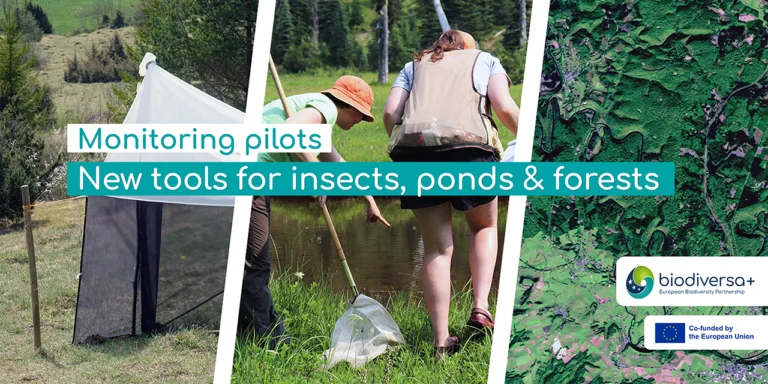
Biodiversa+ will launch three new pilot projects in 2026, using innovative technologies to monitor insects, ponds, and forests across the continent…

Rewatch our webinar on Thematic Hubs and common minimum requirements for monitoring protocols.
Join Biodiversa+ webinar to get familiar with the IPBES Monitoring Assessment and learn how to navigate the reviewing process.

This webinar explores the ways remote sensing can support biodiversity monitoring and data collection at different scales.
How can biodiversity monitoring efforts become more harmonised without losing local relevance? A fresh framework…

What makes a biodiversity monitoring scheme truly sustainable? And what does it take to scale one up across borders?
A new report explores how to implement and sustain long-term biodiversity monitoring across Europe…

Biodiversa+ is recruiting a full-time Officer to support the implementation of its Work Package dedicated to biodiversity monitoring…
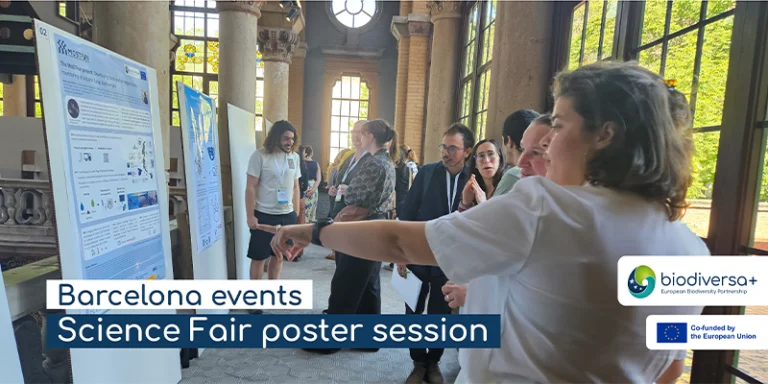
What does the future of biodiversity monitoring look like? Our Barcelona poster session offered a snapshot of where biodiversity monitoring is heading…
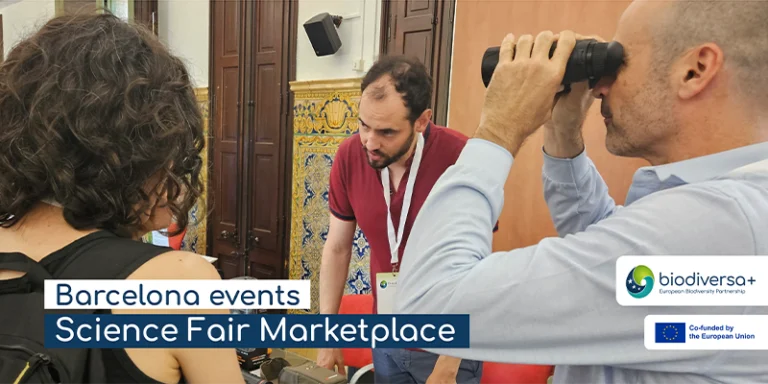
From smart sensors to scalable data infrastructures, the Science Fair marketplace offered a glimpse into a field in transformation…
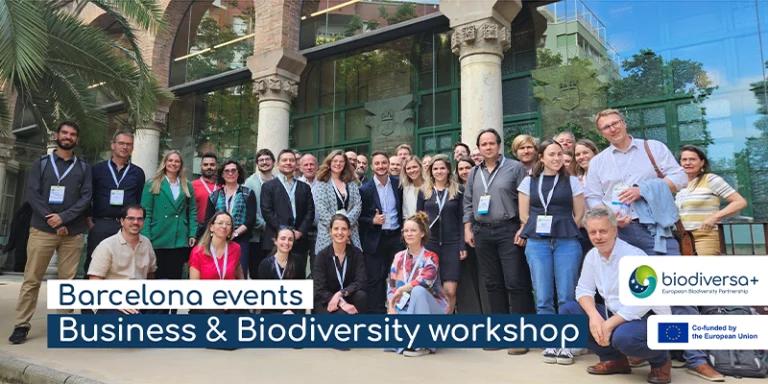
Biodiversa+ convened a two-day workshop to address a pressing challenge: how to make biodiversity data meaningful and usable for businesses…
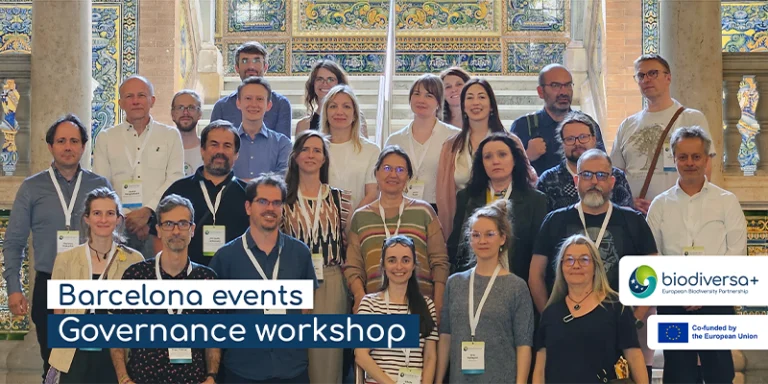
On 20 May 2025, Biodiversa+ organised a governance-focused workshop to support the development of a coordinated European biodiversity monitoring framework…

A key challenge for effective biodiversity monitoring in Europe is ensuring strong coordination among the many national and sub-national monitoring schemes…

Europe is rich in biodiversity—and in monitoring schemes! But this diversity of protocols and priorities creates major challenges for collecting and comparing data at scale…
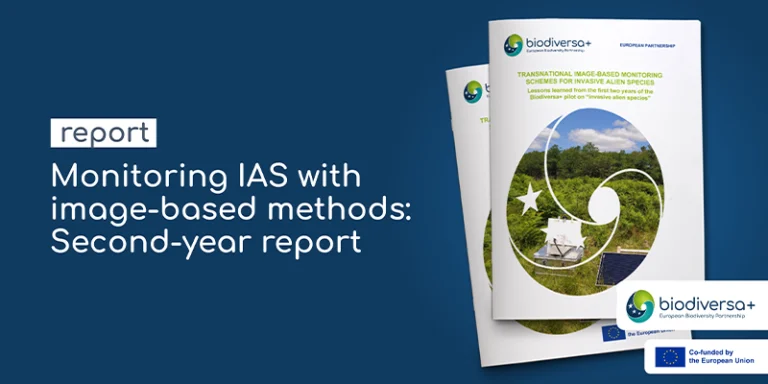
We’re pleased to announce the release of the second-year report from our pilot project on monitoring Invasive Alien Species…
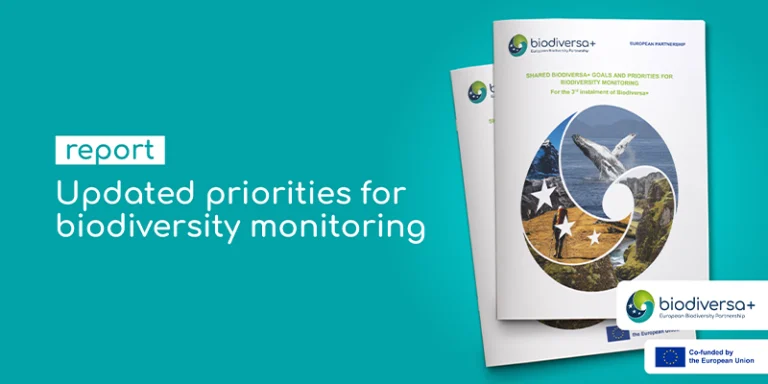
We are pleased to announce the release of our update report detailing the shared goals and priorities for biodiversity monitoring within Biodiversa+…
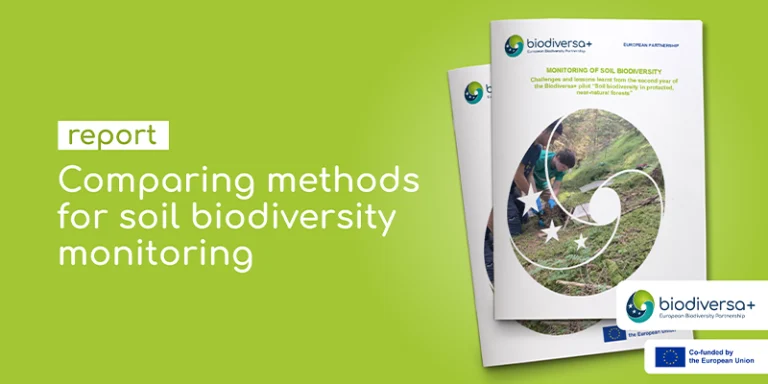
The second-year report from our soil monitoring pilot compares traditional vs. eDNA methods at a transnational scale…
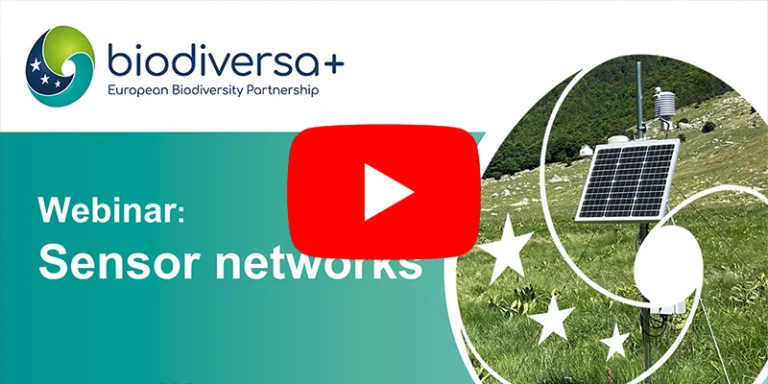
In this webinar, we explore the use of sensor networks in mountain ecosystems.
What’s the future of biodiversity monitoring? Our pilot programme is finding answers. Rewatch the recording of our info session.

Rewatch the biodiversity monitoring webinar on deploying and using bioacoustics.

Rewatch the experience-sharing session on eDNA in biodiversity monitoring.

We hosted a workshop on Darwin Core, data harmonisation, and semantic technologies.
As 2024 comes to a close, we’re taking a look back at some of our key achievements this year…

Rewatch the experience-sharing session on monitoring coralligenous habitats.
Biodiversa+ surveyed its partners on the deployment of five novel monitoring technologies…

Biodiversa+ is opening two calls for tenders designed to help businesses integrate biodiversity into their operations…

BIOSPACE25 is the first international conference exclusively dedicated to the application of Satellite Remote Sensing…

Biodiversa+ is seeking a service provider to report on the best solutions for data interoperability and storage in Europe…

Establishing National Hubs is a pivotal step towards maximising the impact of Biodiversa+ initiatives. Effective coordination, stakeholder engagement, and robust support mechanisms are key to making this work…
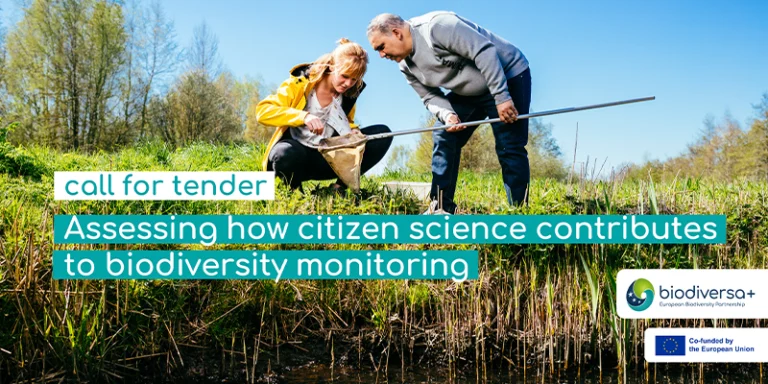
Biodiversa+ is opening a call for tender! We are seeking a subcontractor to conduct a comprehensive study on the effectiveness of citizen science in contributing to biodiversity monitoring schemes…
The first two years of Biodiversa+ have provided key findings for harmonising and developing transnational biodiversity monitoring schemes across Europe…

In this experience-sharing session, we discuss best practices for soil monitoring protocols.
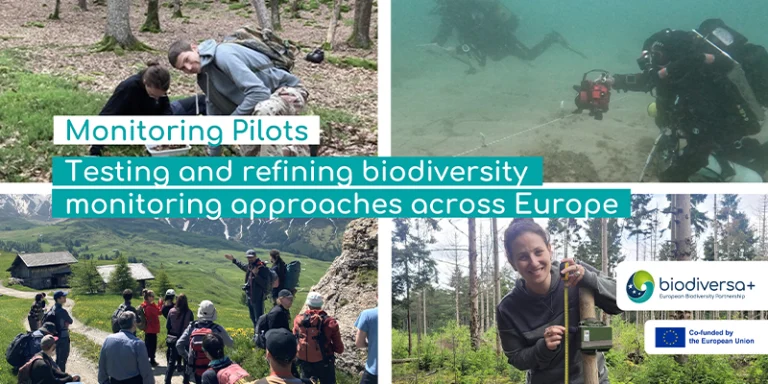
Biodiversa+ is on a mission to improve biodiversity monitoring across Europe, and our pilot projects are at the forefront of this effort…
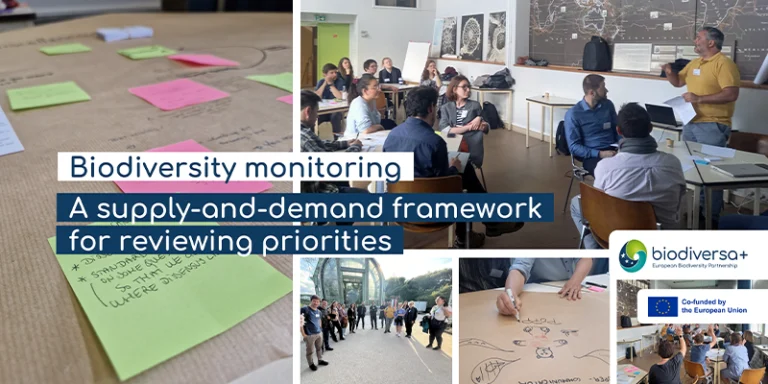
Biodiversa+ is refining its monitoring priorities, emphasising user needs through a detailed survey…
As part of its broader goal to build a transnational network of harmonised biodiversity monitoring schemes, Biodiversa+ has identified biodiversity monitoring communities as a crucial level for collaboration and harmonisation. Help map them!
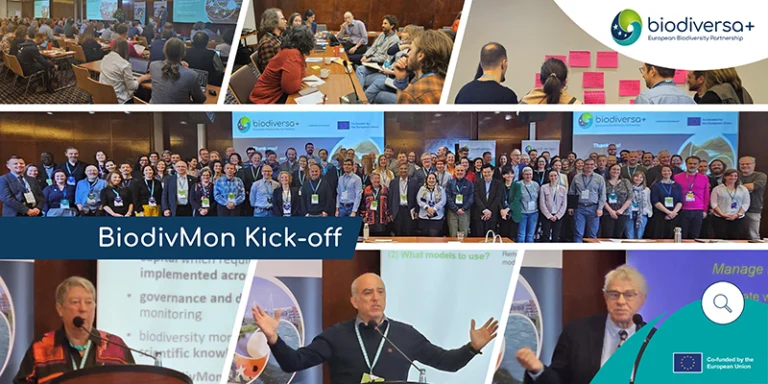
On 17 April 2024, Tallinn, Estonia, became a hub for biodiversity research as Biodiversa+ and the Estonian Research Council hosted the kick-off meeting for the 33 research projects funded under the BiodivMon research call…

To track KMGBF progress, the 2024 Science-Policy Forum assessed biodiversity monitoring across scales…
In 2023, Biodiversa+ launched a pilot to assess the current state of governance and use of data and metadata standards…
Invasive alien species are one of the top five drivers of biodiversity loss worldwide. To prevent the future introduction and spread of these species, we need to improve cooperation across Europe…
Biodiversa+ aims to promote and support transnational biodiversity monitoring, by building a transnational network of harmonised biodiversity monitoring schemes on specific priority topics. Soil biodiversity is one of them…
We are happy to present a first overview of major policies and work on biodiversity indicators within Europe and globally, with key priorities…
Overwhelmed by fragmented monitoring efforts? Find out how to connect the dots…

At the GEOBON 2023, Biodiversa+ presented its work on utilising the EBV framework to harmonise monitoring.

Biodiversa+ is hiring a new officer to work on its biodiversity monitoring activities…

Rewatch our webinar on integrating new technologies in biodiversity monitoring and building large-scale image classifiers.
Over a year-long evaluation process, Biodiversa+ has revised the list of topics considered biodiversity monitoring priorities…
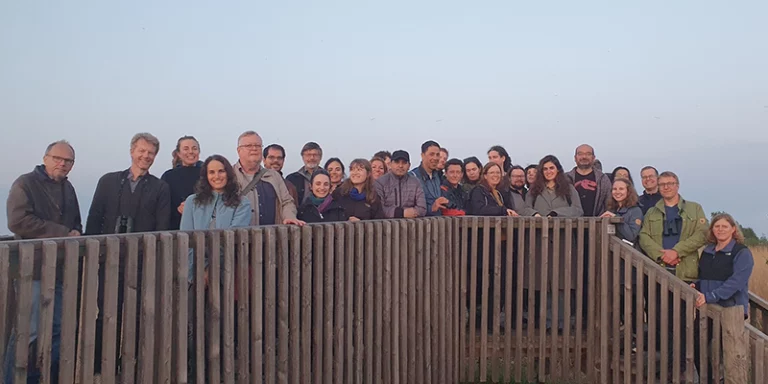
Biodiversa+ recently conducted two workshops in Helsinki, Finland, to foster a robust network of harmonised monitoring schemes across Europe…
Biodiversa+ is thrilled to present a first overview of the European governance landscape for biodiversity monitoring…
Biodiversa+ is proud to present its report on data interoperability, a key step for harmonising biodiversity monitoring across Europe…

Biodiversa+ is pleased to present its mapping of national and sub-national organisations funding and steering biodiversity monitoring schemes…
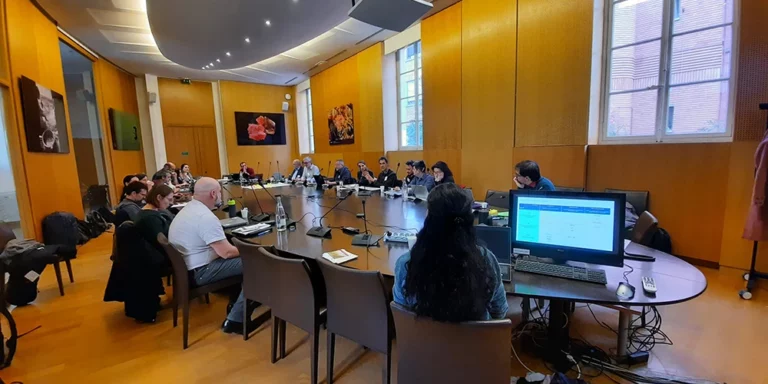
On 2 March 2023, Biodiversa+ hosted a workshop on strategies to harmonise biodiversity monitoring protocols across Europe…

Biodiversa+ held an expert workshop to launch the roadmap for implementing novel technologies.
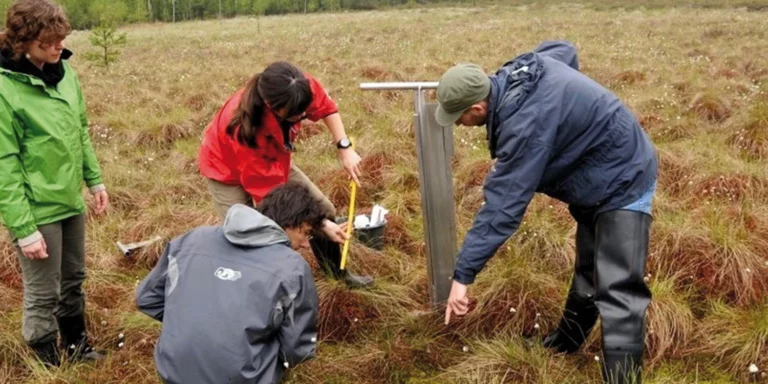
Biodiversa+ surveyed transnational biodiversity monitoring programmes to understand current practices…
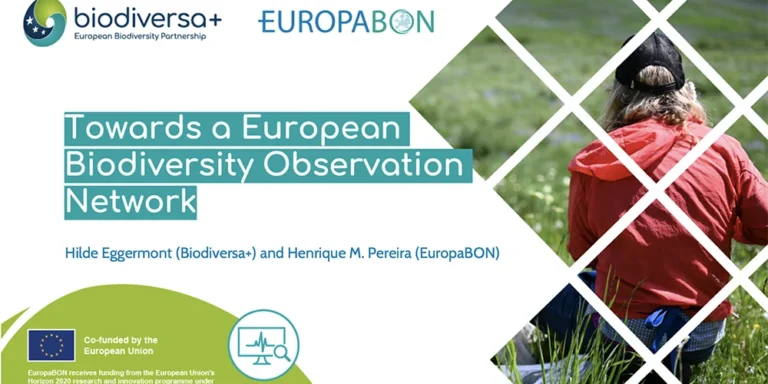
Biodiversa+ was at the 8th session of the COP15’s Science-Policy Forum to present efforts in setting up a European network for biodiversity monitoring…

On the 8 November 2022, Biodiversa+ hosted a workshop with private sector actors on the use of biodiversity data…
Biodiversa+ hosted a workshop for (sub-)national initiatives to present their data architecture and workflows.

On 8 November 2022, Biodiversa+ and EuropaBON will host a conference to discuss integrating biodiversity monitoring information for policy and decision making in Europe…
In September 2022, Biodiversa+ hosted a workshop to explore how it could support interoperability across systems.
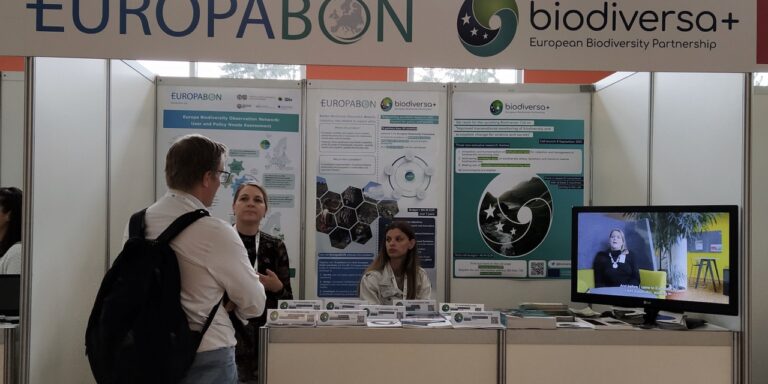
Biodiversa+ and EuropaBON are joining forces at the European Conference of Conservation Biology…