
The ecosystem roadmaps
Based on concrete case studies of BiodivRestore-funded projects, these four briefs provide phased implementation guidance for specific habitat types.
The EU Nature Restoration Regulation (NRR) entered into force in August 2024. It sets legally binding targets to restore at least 20% of the EU’s land and sea by 2030, and all ecosystems in need of restoration by 2050.
By 1 September 2026, every Member State must submit a draft National Restoration Plan (NRP) to the European Commission, determining what will be restored, where, how, and at what cost. Plans will be reviewed and finalised by September 2027.
The eight policy briefs support Member States and the European Commission as NRPs are strengthened, finalised, and revised. Each brief translates scientific findings into phased, actionable recommendations tied to specific NRR articles.
The briefs fall into two groups:
Based on concrete case studies of BiodivRestore-funded projects, these four briefs provide phased implementation guidance for specific habitat types.
Everything that happens upstream shapes what is possible downstream. Restore rivers by connecting habitats and building resilience for what’s ahead.
Translations available in BG, CS, ET, FI, FR, DE, LV, PL, PT, RO, ES
Forests sustain the health of freshwater ecosystems. Restore before the damage shows, working across sectors and with the people who manage the land.
Translations available in EN, BG, CS, FI, DE, HU, LV, PL, RO, SK, ES
A city’s rivers and ponds work best when treated as ecosystems, not drainage infrastructure. Design urban waters for biodiversity, and plan accordingly.
Translations available in BG, CZ, FI, FR, DE, IT, PL, RO, ES
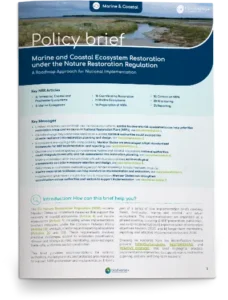
Restoring marine ecosystems is not about doing more everywhere, but doing the right thing where it matters most.
Restore where risk is highest, track progress across borders.
Translations available in FR, DE, IT, PT, ES
Drawing on solutions that have already proven themselves, these four briefs, prepared by the BiodivRestore Knowledge Hub, outline the requirements that must be in place for ecosystem restoration to succeed.
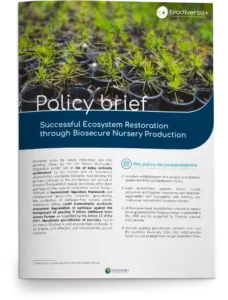
Pathogen-free planting material is a prerequisite for successful ecosystem restoration. Secure the nurseries and make accreditation part of the plan.
Translations available in BG, CS, FR, DE, PT, RO, SK, ES
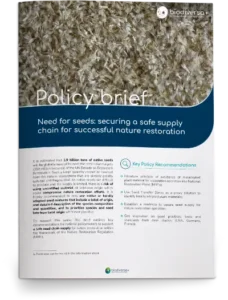
An ecosystem is only as resilient as the seeds it’s built from.
Plan the supply chain ahead, source the material, and start restoration with the right seed mix.
Translations available in FR, DE, LV, PL, PT
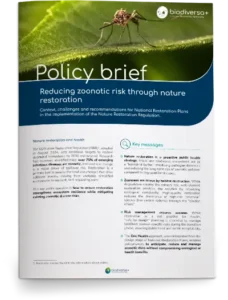
Nature restoration is an investment in public health: biodiverse ecosystems act as a buffer against disease. Assess the risks early, and restore with health by design.
Translations available in FR, DE, PL
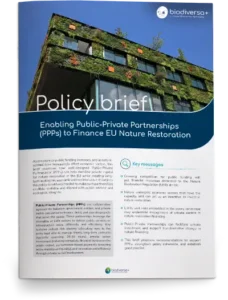
Nature’s decline is already a cost to business; restoring it can become a shared investment. Engage the private sector and make restoration a system-level infrastructure.
Translations available in FI, FR, DE