Updated Stakeholder Engagement Handbook
Learn more on ‘why’, ‘who’, ‘when’ and ‘how’ to engage stakeholders in research projects.
DetailsLearn more on ‘why’, ‘who’, ‘when’ and ‘how’ to engage stakeholders in research projects.
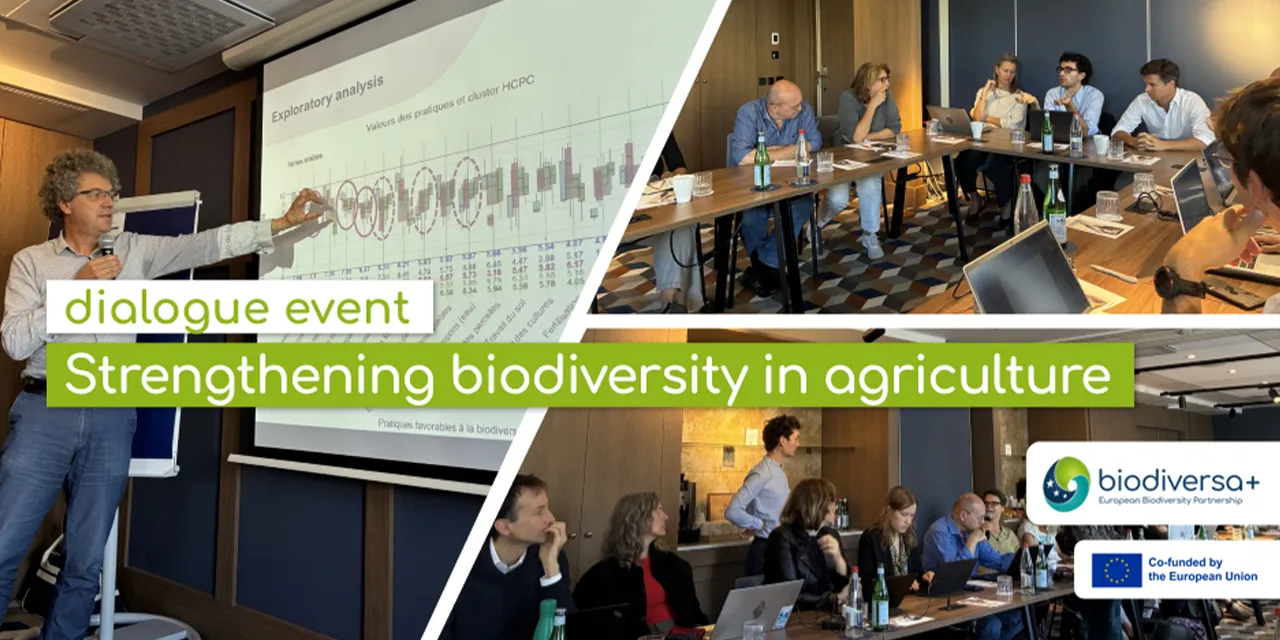
DetailsOn 5-6 October, Biodiversa+ hosted a dialogue event to examine how agricultural policies could better support biodiversity, particularly under the CAP…
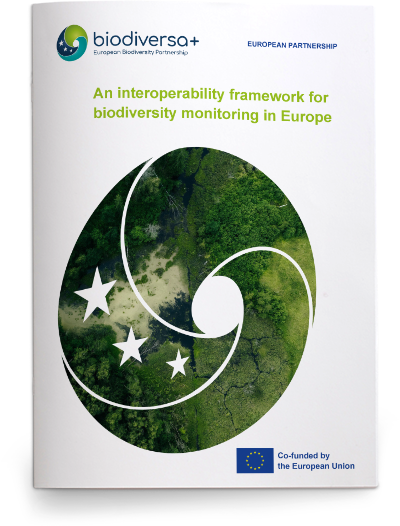
DetailsThis report proposes an interoperability framework to help organisations make their biodiversity data easier to find, access and combine.
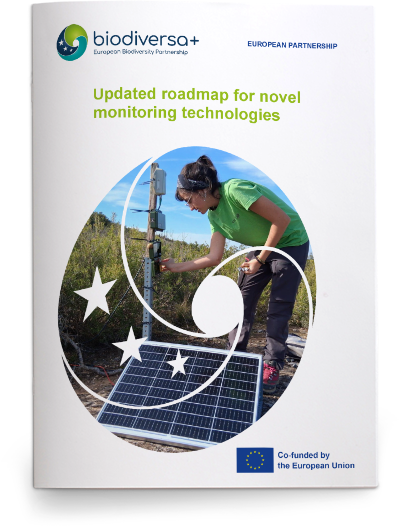
DetailsThis report assesses the use of six novel monitoring technologies across Biodiversa+ partners and recommends steps to support their wider, routine implementation.
DetailsBiodiversa+ joins forces with four other EU-funded biodiversity initiatives CO-OP4CBD, Respin, BioAgora, and NetworkNature to strengthen the science–policy interface and…
DetailsBiodiversa+ is taking part in the European Conference of Science Journalism 2026 (ECSJ), 14-16 October in Hannover, connecting journalists with…
DetailsBioAgora is seeking experts to investigate the interlinkages and dependencies between biological and cultural diversity and the associated knowledge gaps…
DetailsAs the European Commission consults on the future of European Partnerships, Biodiversa+ sets out its case for a next-generation partnership on biodiversity and resilience through nature…
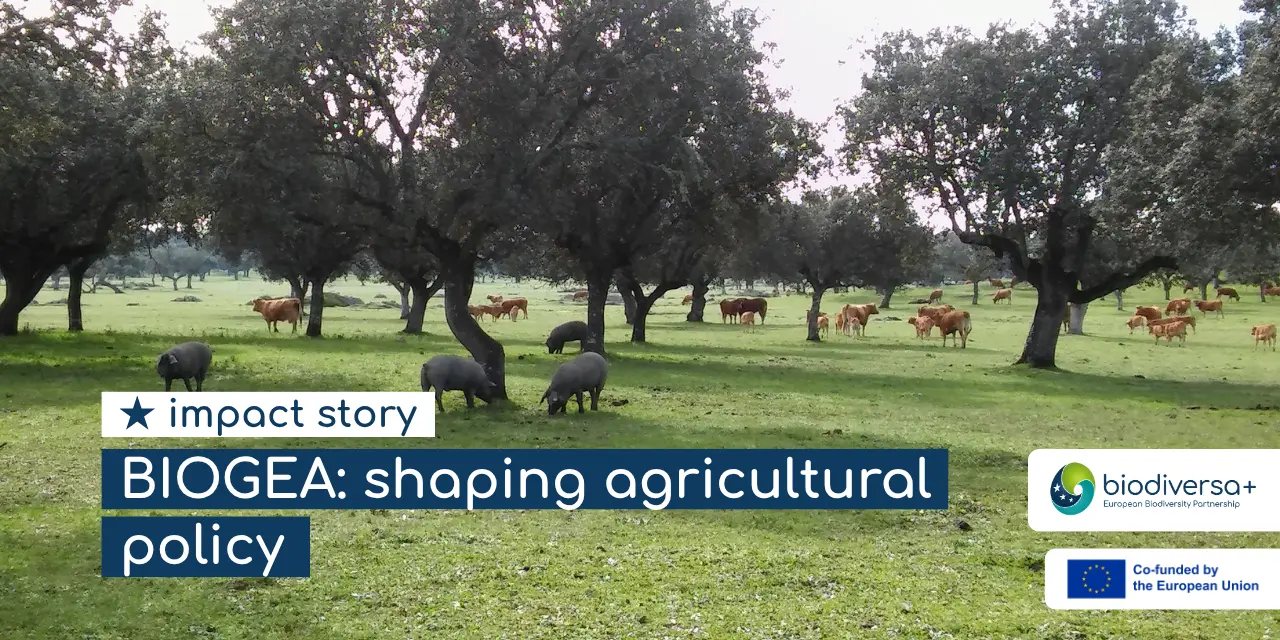
DetailsBIOGEA explored how changes in land use, driven by the Common Agricultural Policy (CAP) Greening, impact GBI in agricultural landscapes.
DetailsThis webinar provides practical guidance on planning, implementing and monitoring ecosystem restoration.
Details