
National Restoration Plans dialogue report
Report on a Dialogue Event exploring the obstacles Member States encounter while drafting National Restoration Plans.

Report on a Dialogue Event exploring the obstacles Member States encounter while drafting National Restoration Plans.

The Internationalisation Strategy sets out how Biodiversa+ will expand its global reach, cooperation and relevance in biodiversity research, policy and innovation.

This report explores how to effectively implement and maintain long-term, transnational biodiversity monitoring schemes across Europe.

This report outlines updated priorities for biodiversity monitoring (2025–2028), highlighting key areas for strengthened, transnational action.
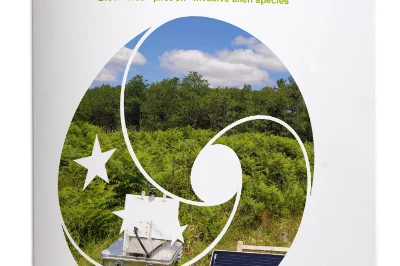
The second-year report from the IAS monitoring pilot showcases progress in using image-based technologies and AI to detect invasive plants and insects across Europe.
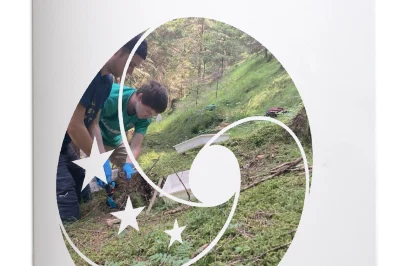
The second-year report from the soil monitoring pilot compares traditional vs. eDNA methods at a transnational scale.

This report overviews NbS platforms and repositories, offering guidance on selecting the right repository based on project outputs and challenges.

Report on a Dialogue Event exploring how Biodiversa+ can support national biodiversity restoration plans through targeted research and stakeholder engagement.
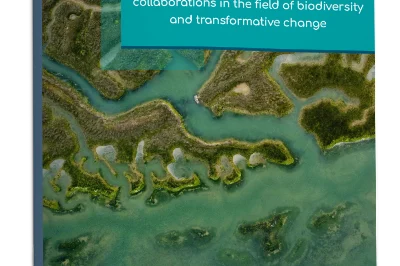
Covering 2013-2023, this mapping examines co-authoring networks to provide insights into the structure and dynamics of research collaboration on biodiversity and transformative change.

This report presents the outcomes of the first module of the Habitat Pilot, which reviewed existing methods for mapping and quality monitoring of grassland and wetland habitats across Europe.