What does finance need from biodiversity science? Biodiversa+, Banque de France and partners brought together researchers, public authorities, central banks, financial institutions and businesses to discuss how biodiversity knowledge can better inform financial decision-making.
Often described as an environmental crisis, biodiversity loss is now also recognised as a source of economic and financial risk. Healthy ecosystems support food production, water availability, soil fertility, climate regulation, supply chains and long-term value creation. When they degrade, the effects can travel through sectors, markets and financial portfolios.
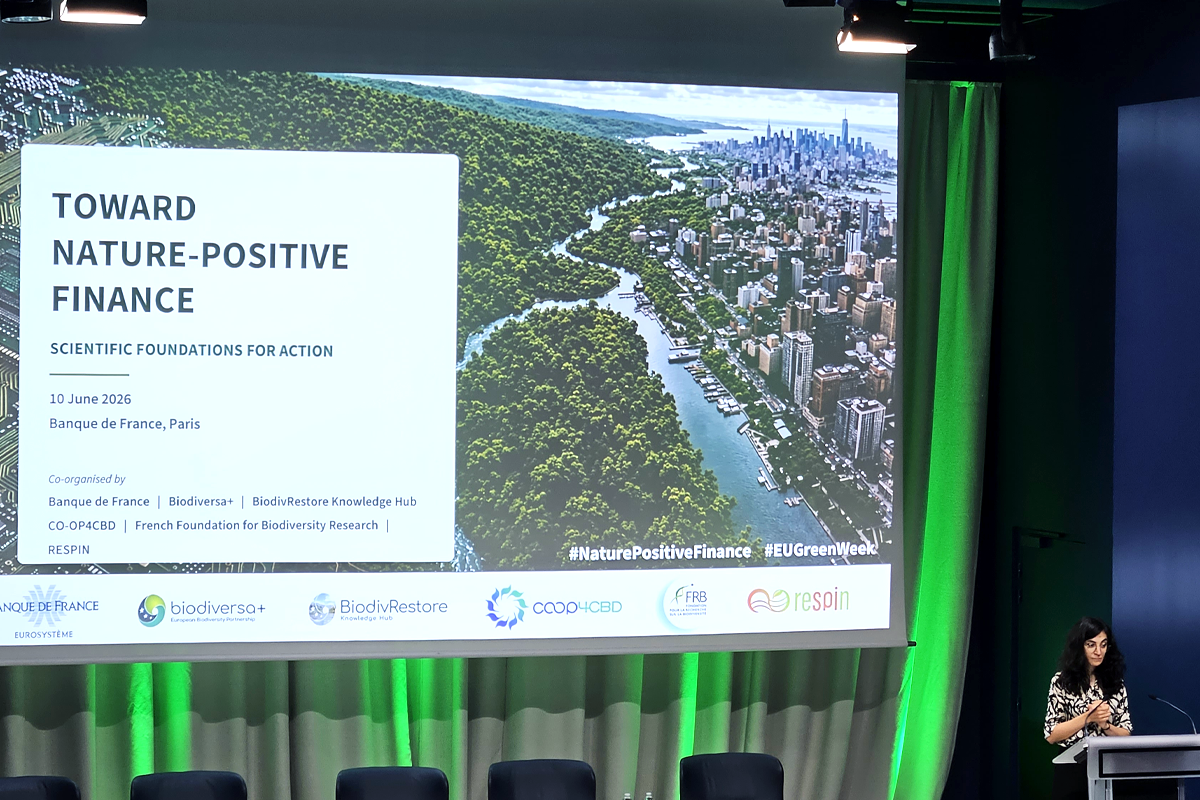
This was the starting point of the workshop “Toward Nature-Positive Finance: Scientific Foundations for Action”, held on 10 June 2026 at Banque de France in Paris. Co-organised by Biodiversa+, Banque de France, the BiodivRestore Knowledge Hub, CO-OP4CBD, the French Foundation for Biodiversity Research (FRB) and the RESPIN project, the event brought together actors from science, policy, finance, business and civil society around one central question:
What do financial and economic actors need from science to make biodiversity a real decision variable?
Several messages emerged from the day:
- Nature-related risks are already economic and financial questions. They can affect production, credit, insurance, inflation, investment performance and financial stability.
- The issue is not only a lack of knowledge. A substantial evidence base already exists, but it is not always easy to use in financial and business decisions.
- Waiting for perfect data is not an option. Participants stressed the need to work with available evidence, while improving models, indicators and data over time.
- Nature-positive finance is not only about funding nature. It also requires redirecting financial flows away from activities that harm nature.
- Science, policy and finance need stronger interfaces. Biodiversity knowledge has to be translated into tools, methods and frameworks that are useful for decision-makers.
The problem is not (only) knowledge
Methods are still evolving, data are incomplete, models are imperfect, and some risks remain difficult to quantify. But discussions suggested that science has already done enough to justify action and provide many usable starting points. The priority is to test, learn, refine, and improve, while steadily integrating nature-related risks into financial analysis and decision-making.
Recent IPBES assessments, including those on Business and Biodiversity, Nexus, and Transformative Change, provide a strong basis for understanding how businesses and financial systems depend on and affect nature. Biodiversity monitoring, environmental accounting, risk frameworks and footprint tools are also advancing quickly.
Yet this knowledge does not automatically change decisions. Speakers pointed to a translation problem. Financial actors need evidence that is not only scientifically robust, but also relevant to specific decisions: lending, investment, insurance, supervision, disclosure, restoration planning or corporate strategy.
Financial actors need credible, context-specific, and fit-for-purpose approaches that are clear about what they measure, what they miss, and what level of confidence they provide. In some cases, detailed data are essential; in others, directionally sound assessments can already support better decisions.
Risk is an entry point
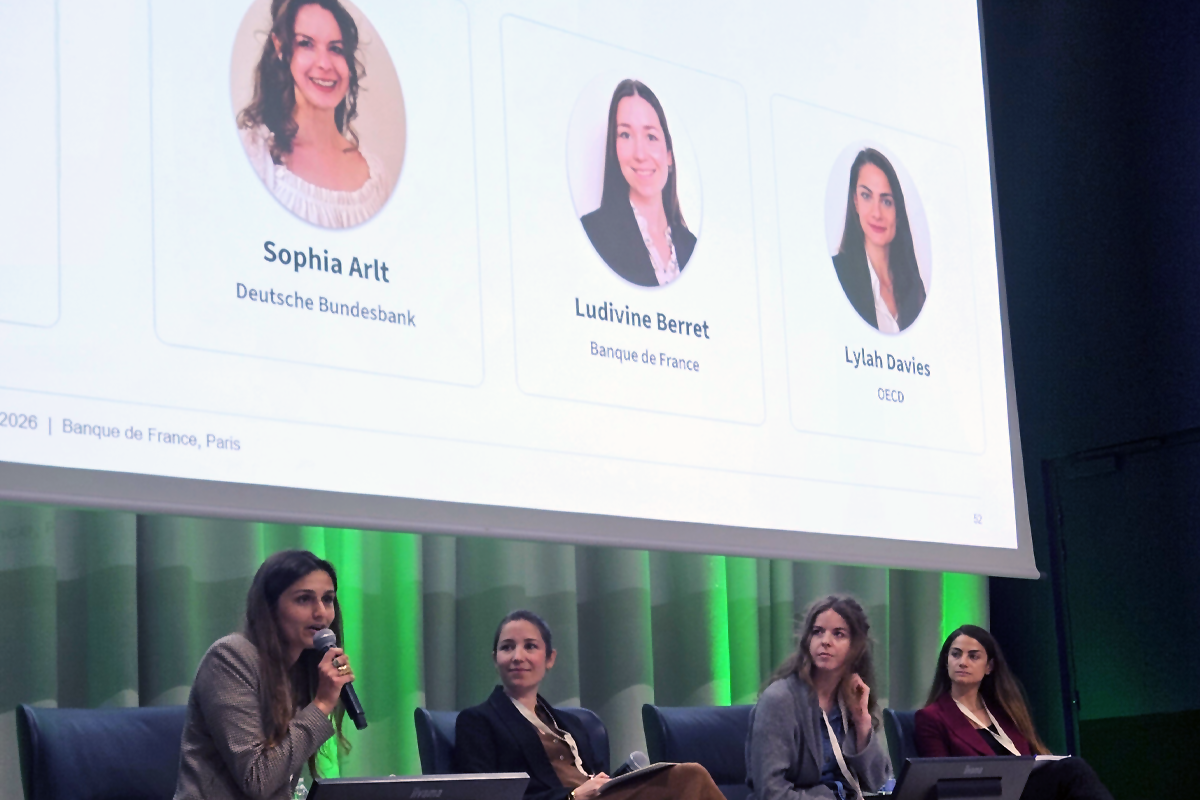
Central banks and international institutions focused on how nature degradation can become a financial stability issue.
Water risks offered a concrete example. Too little water, too much water, or polluted water can affect agriculture, industry, energy, infrastructure, food prices and insurance. Because sectors and institutions are connected, shocks can cascade through the economy. The discussions also showed why nature and climate risks cannot be treated separately. They interact, compound and often affect the same systems.
Risk assessment gives financial actors a practical entry point. It can help them understand exposure, stress-test assumptions and identify vulnerabilities in portfolios or business models. But risk analysis has limits. It can show how biodiversity loss may affect finance, without necessarily changing the activities that drive that loss. This tension ran through the workshop: finance needs to understand nature-related risks, while also examining its own role in creating them.
Participants noted that one of the biggest opportunities lies in redirecting what already exists: subsidies, public finance, private investment, business models, regulation, disclosure and market incentives.
Tools, governance and trust
The workshop explored several tools and approaches that can support better decisions. Examples ranged from biodiversity assessment methods and nature repair markets in Australia, to EU work on nature credits, portfolio-level approaches used by financial institutions, and biodiversity footprint tools such as the Global Biodiversity Score.
These tools can help financial and economic actors assess dependencies, identify risks, compare options, design safeguards and evaluate whether actions deliver real benefits for nature.
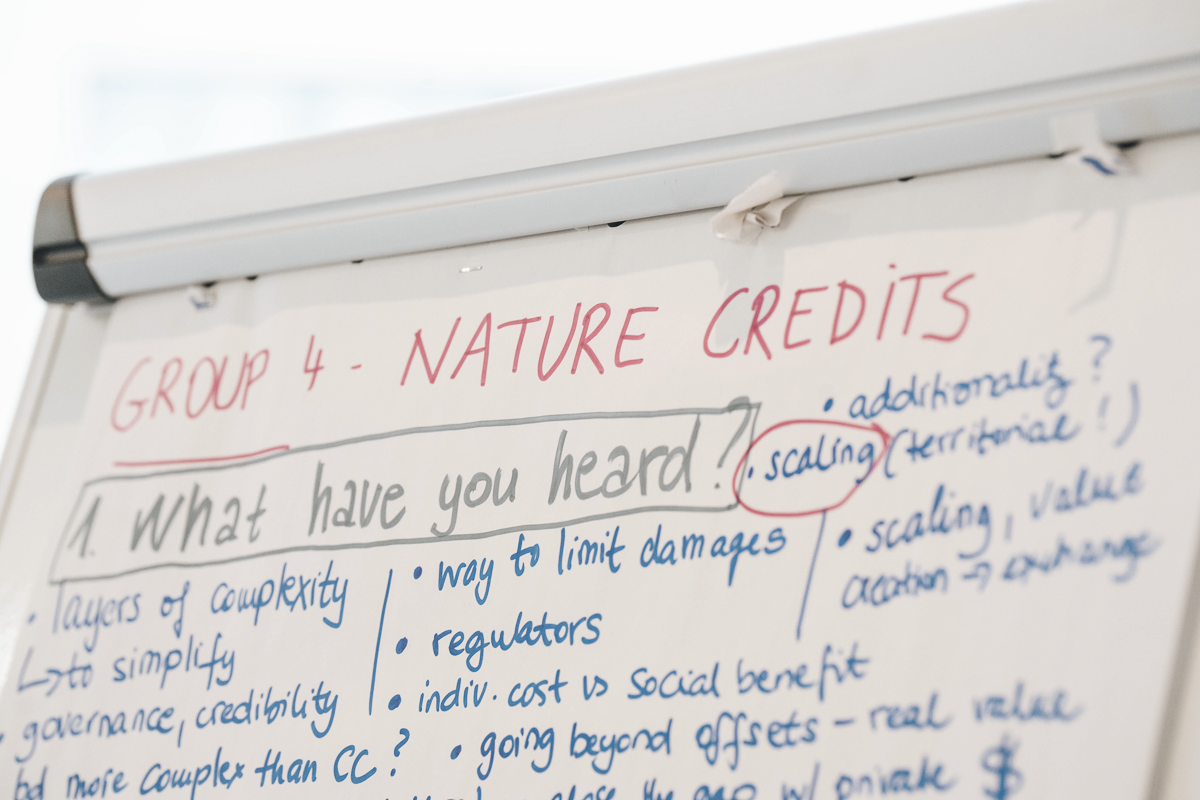
Participants also raised practical concerns: credibility, additionality, standardisation, demand, regulation, local benefits and safeguards. On nature credits, there was interest in their potential, paired with caution about copying carbon credit models too quickly. On environmental accounting, participants discussed how accounting can make nature more visible in economic decisions. They also raised more difficult questions about monetary valuation, aggregation and collective responsibility.
Tools need scientific credibility, transparency and governance. Without trust, they will struggle to shape decisions.
Breakout sessions
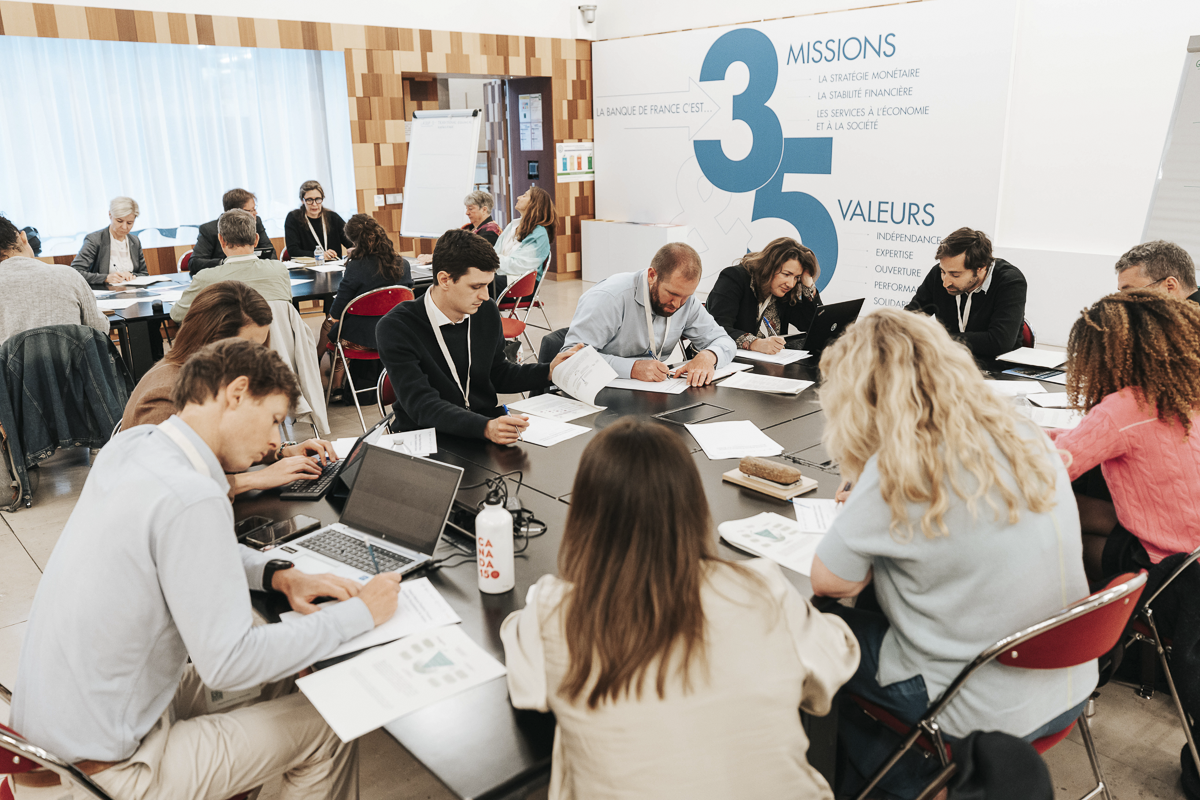
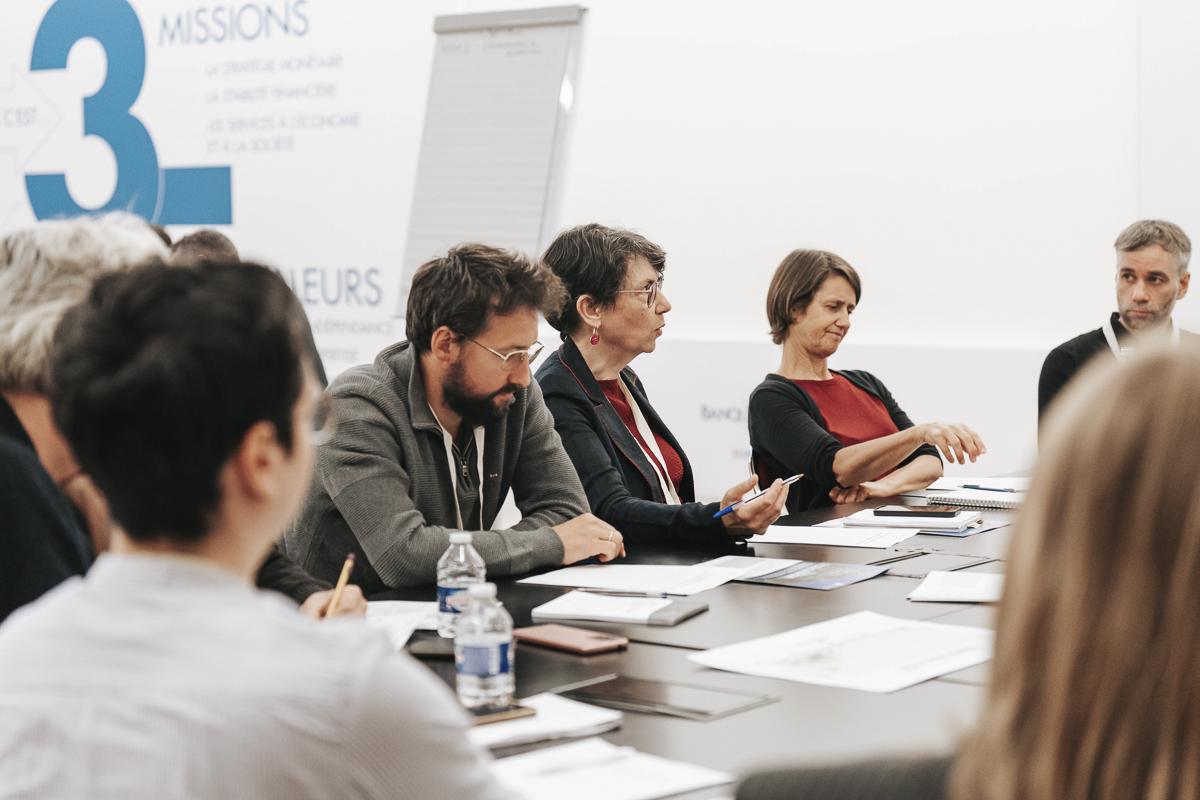
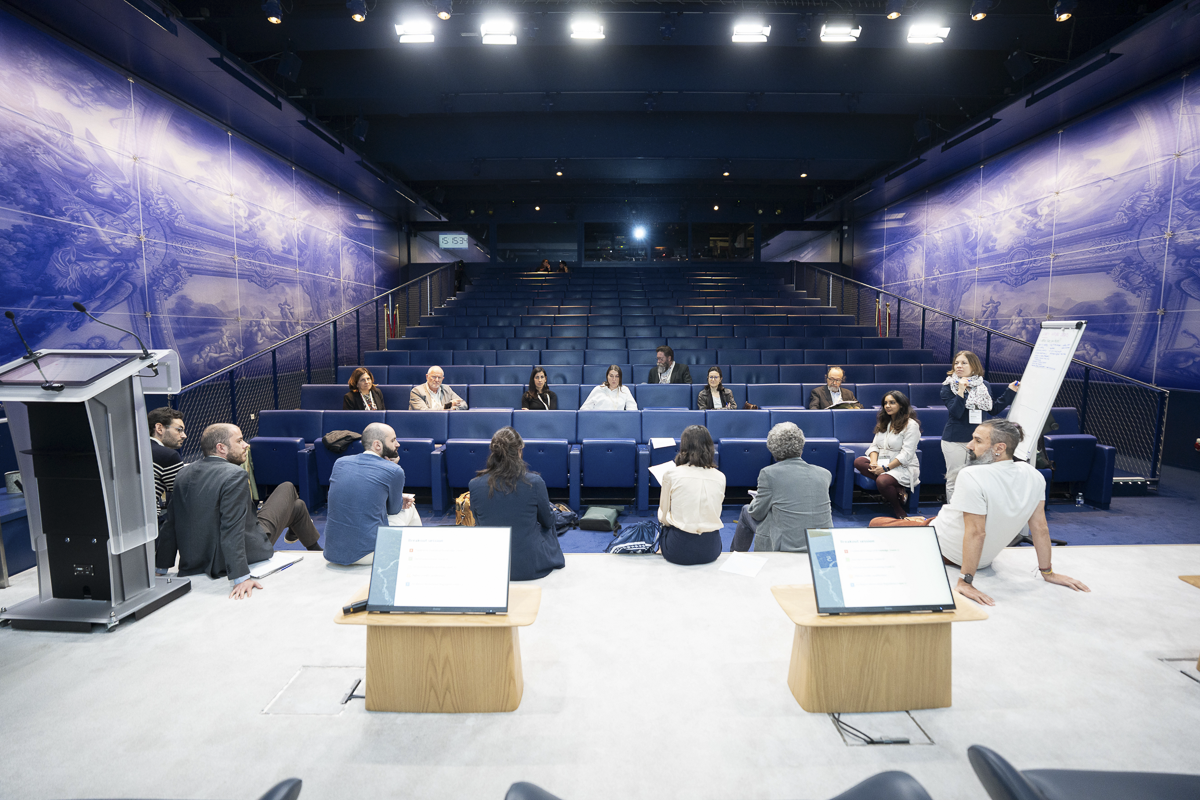
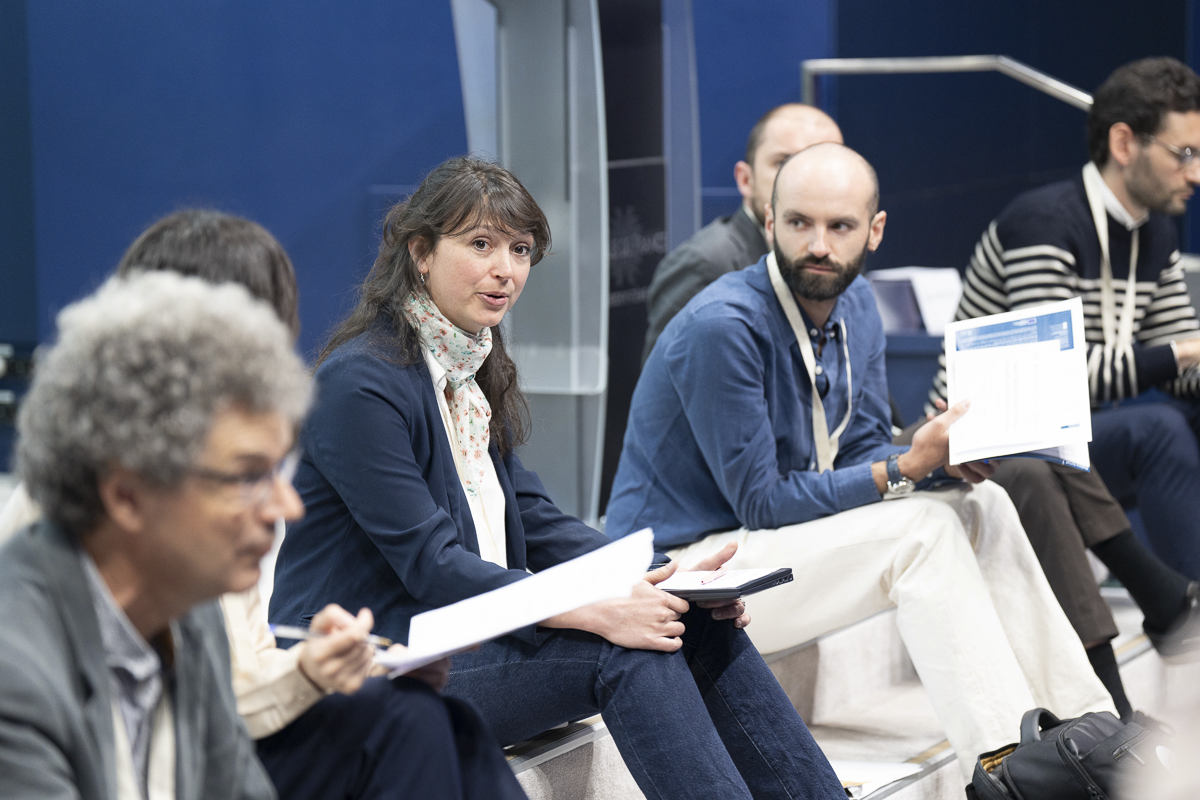
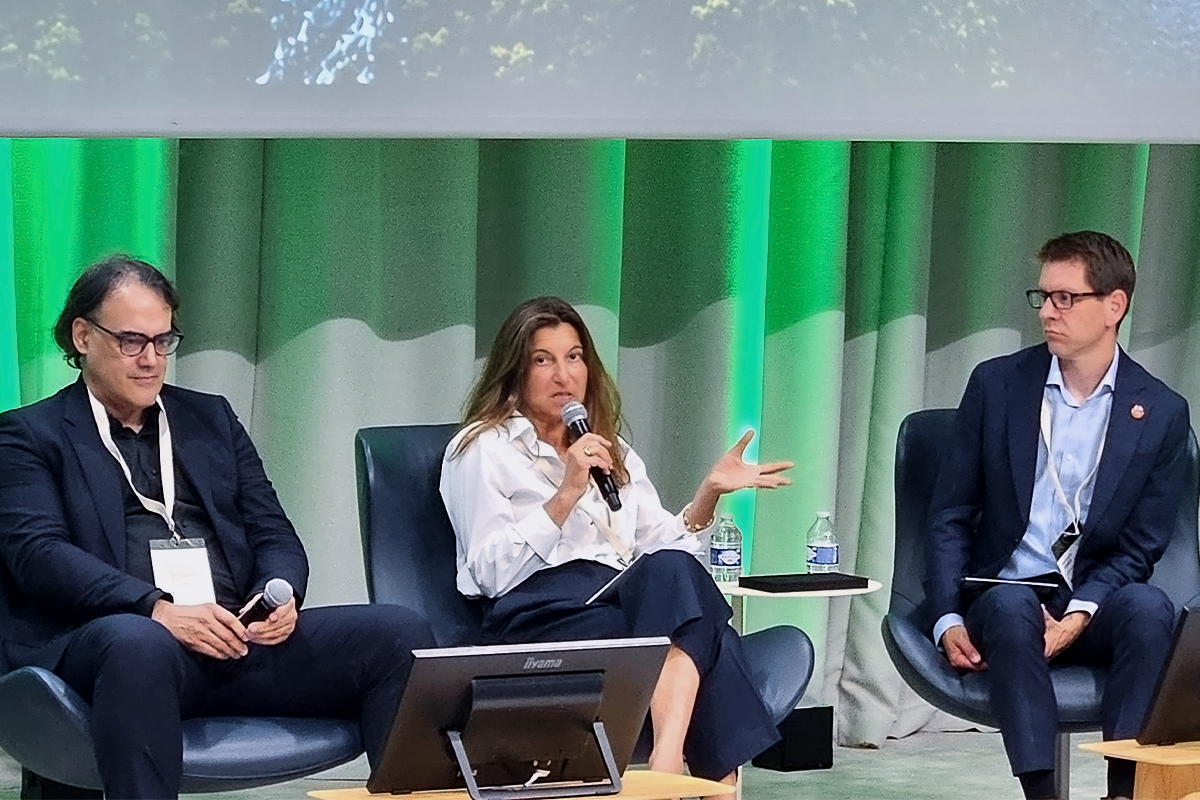
The afternoon breakout sessions brought the discussion closer to practice. Groups focused on traditional ecological knowledge, harmful incentives, environmental accounting, nature credits and the EU Nature Restoration Regulation.
Across these themes, similar questions kept returning. Who defines value? Who benefits from the status quo? Who carries the cost of transition? What should be standardised, and what must remain context-specific? How can local knowledge and local benefits be protected? What public policy environment is needed for private finance to move in the right direction?
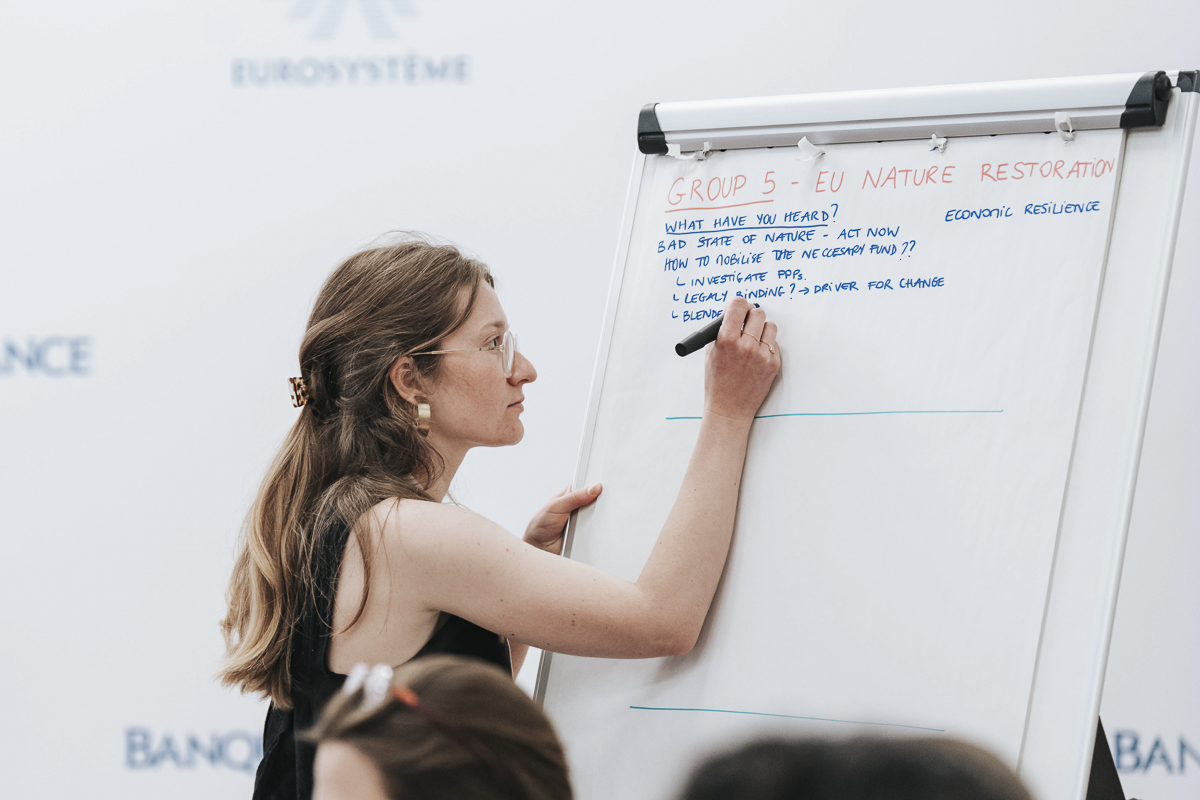
The group on traditional ecological knowledge emphasised that such knowledge should not be treated simply as another dataset. It is a knowledge system, with its own values, governance and ways of understanding relationships with nature. It needs to be involved from the beginning. The group on the EU Nature Restoration Regulation also highlighted a shift in framing: restoration can be understood as an investment in resilience, territorial quality and long-term economic stability.
Towards COP17 and beyond
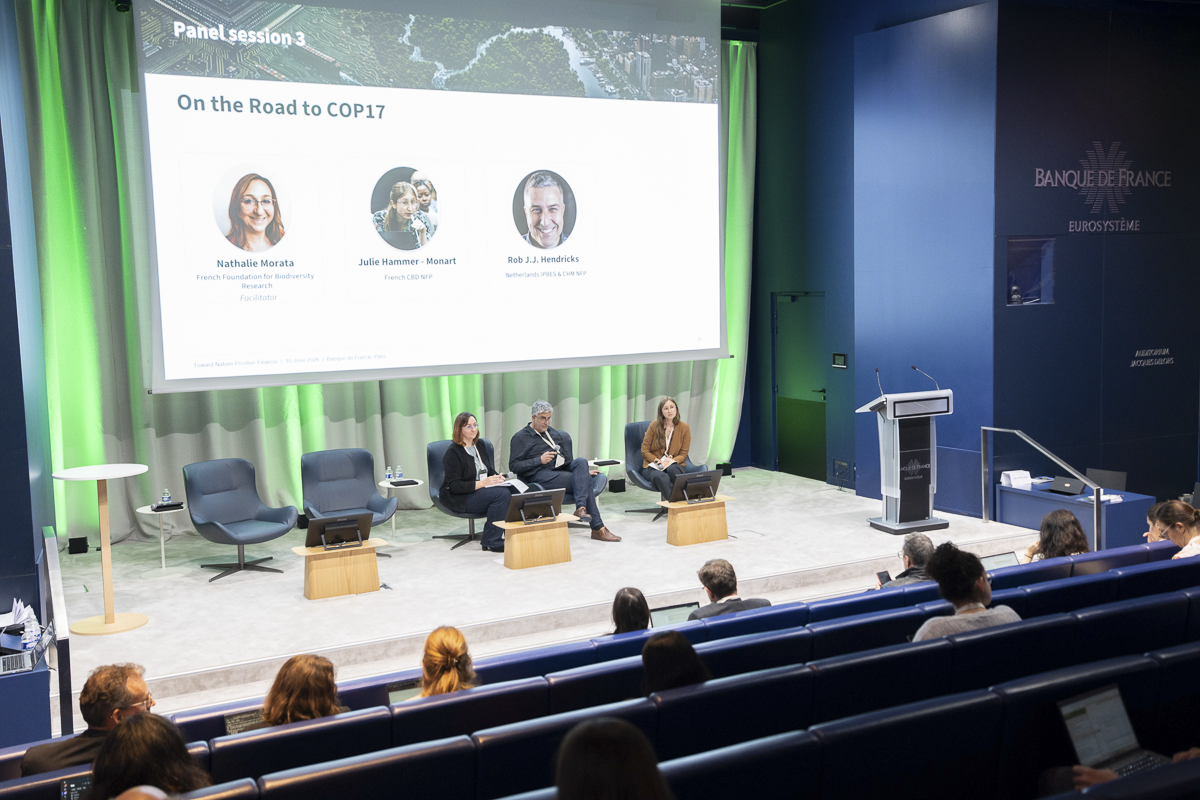
The final sessions connected the workshop to the implementation of the Kunming-Montreal Global Biodiversity Framework and preparations for COP17 of the Convention on Biological Diversity.
Participants discussed how scientific evidence, including IPBES assessments, can support negotiators, inform policy guidance and help turn biodiversity commitments into concrete action for businesses and financial institutions.
A joint statement on nature-related financial risks was introduced during the event. It is currently being shared with participants for endorsement and will be communicated separately once finalised. The workshop will also feed into a forthcoming factsheet, drawing on the plenary discussions and breakout sessions.
For Biodiversa+, the event confirmed the importance of connecting biodiversity research with the actors who can use it. Nature-positive finance will require credible and usable science, policy environments that create the right incentives, and sustained dialogue between researchers, policymakers, financial actors, businesses and civil society.


09:00 – 09:30 Welcome coffee
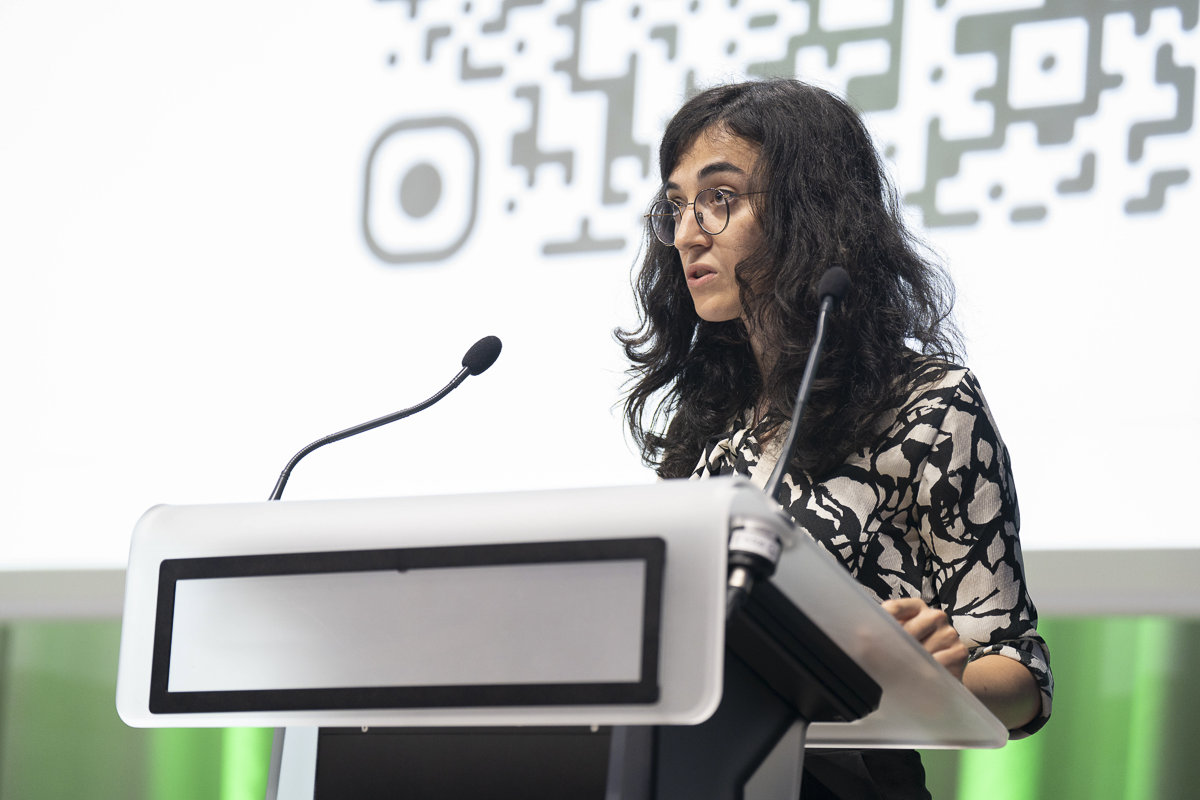
09:30 – 09:40 Welcome words, by Fleur van Ooststroom-Brummel (Directorate-General for Research and Innovation, European Commission) & Rainer Sodtke (Biodiversa+ Co-Chair, DLR)
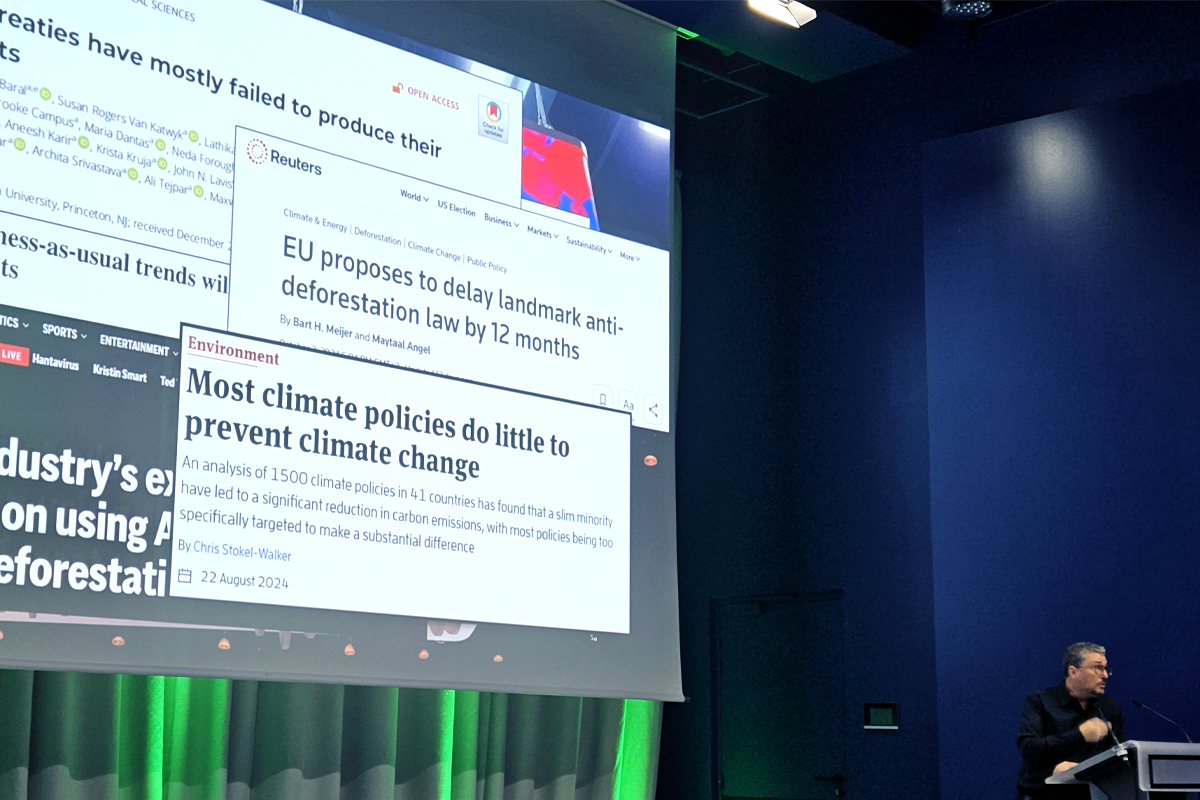
09:40 – 10:00 Opening session – “What do economic and financial actors actually need from science to make biodiversity a decision variable?”, by Claude Garcia (Bern University of Applied Sciences)
10:00 – 10:35 Keynote – IPBES assessments: What matters to decision-makers?, by Matt Jones (UNEP-WCMC, IPBES Business and Biodiversity Assessment Co-Chair) & Diana Mangalagiu (Neoma Business School & University of Oxford, IPBES Nexus Assessment Coordinating Lead Author)
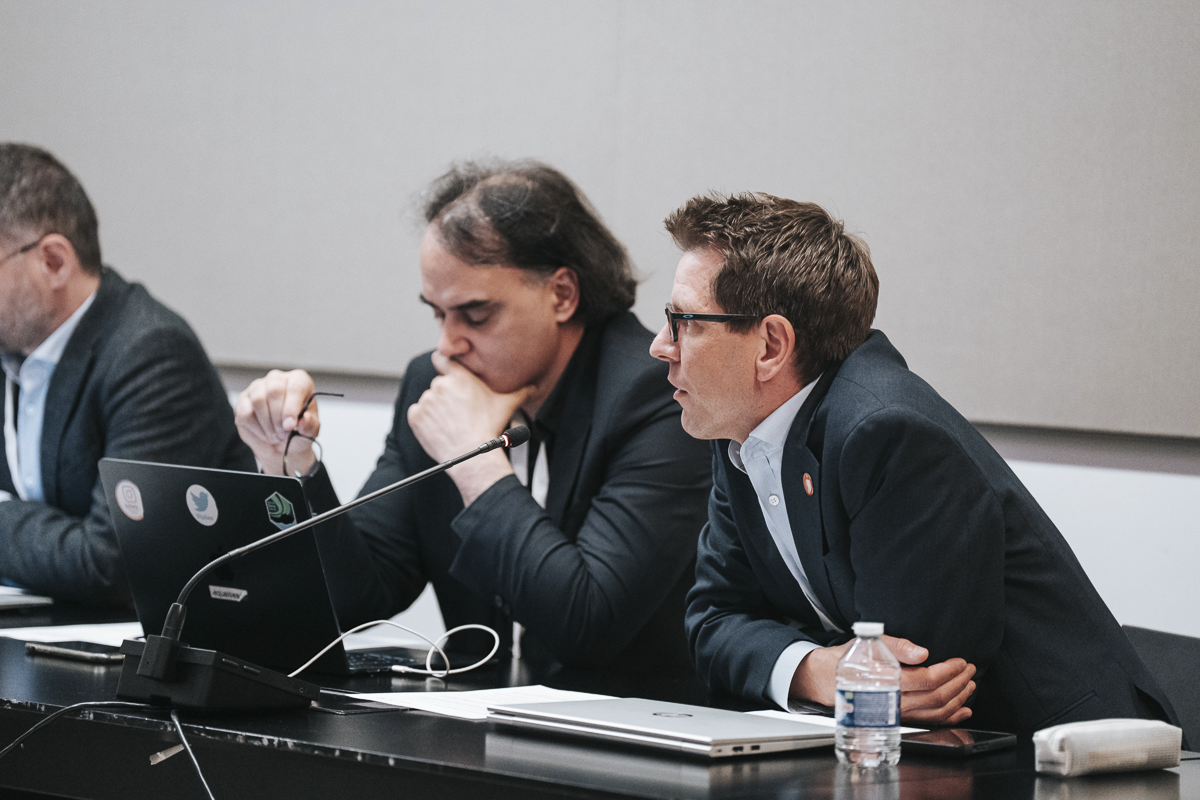
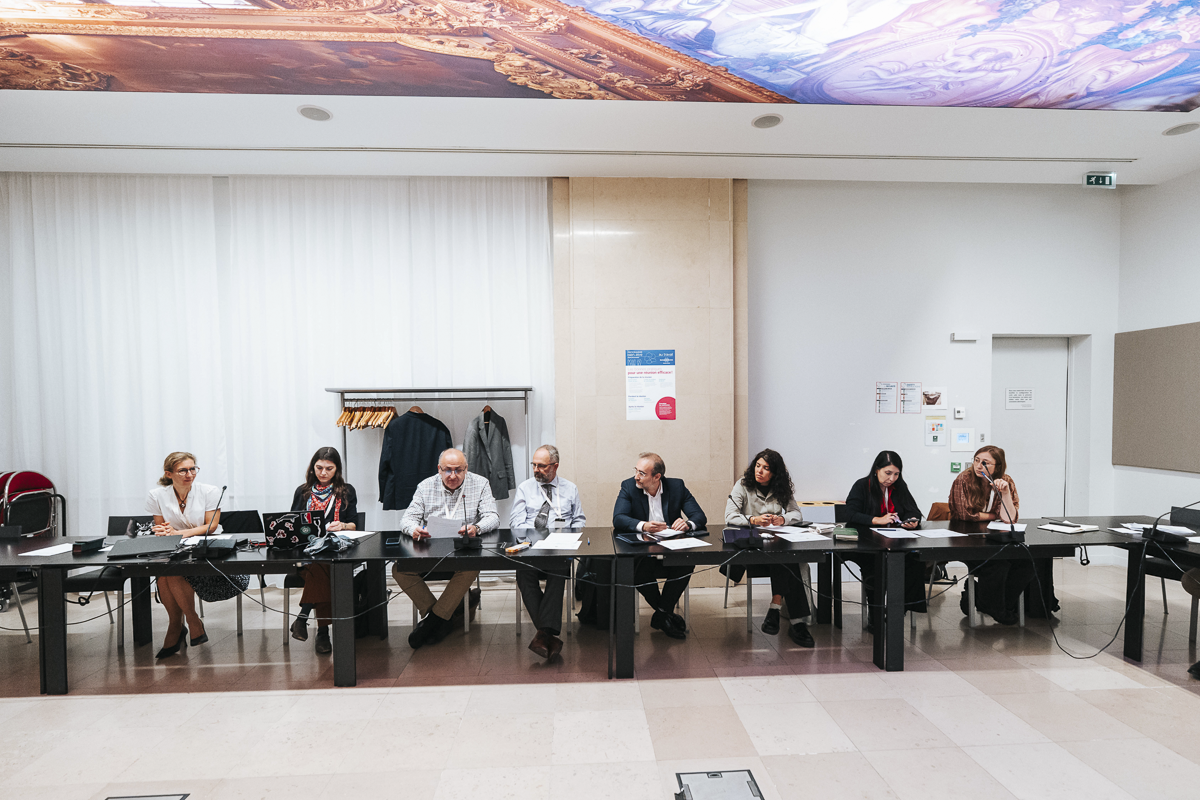
10:35 – 11:35 Panel session 1 – Central bank and international institution perspectives on nature-related risks for the private sector, with Ludivine Berret (Banque de France), Sophia Arlt (Deutsche Bundesbank) & Lylah Davies (OECD), facilitated by Elise Kremer (Banque de France)
11:35 – 12:00 Break
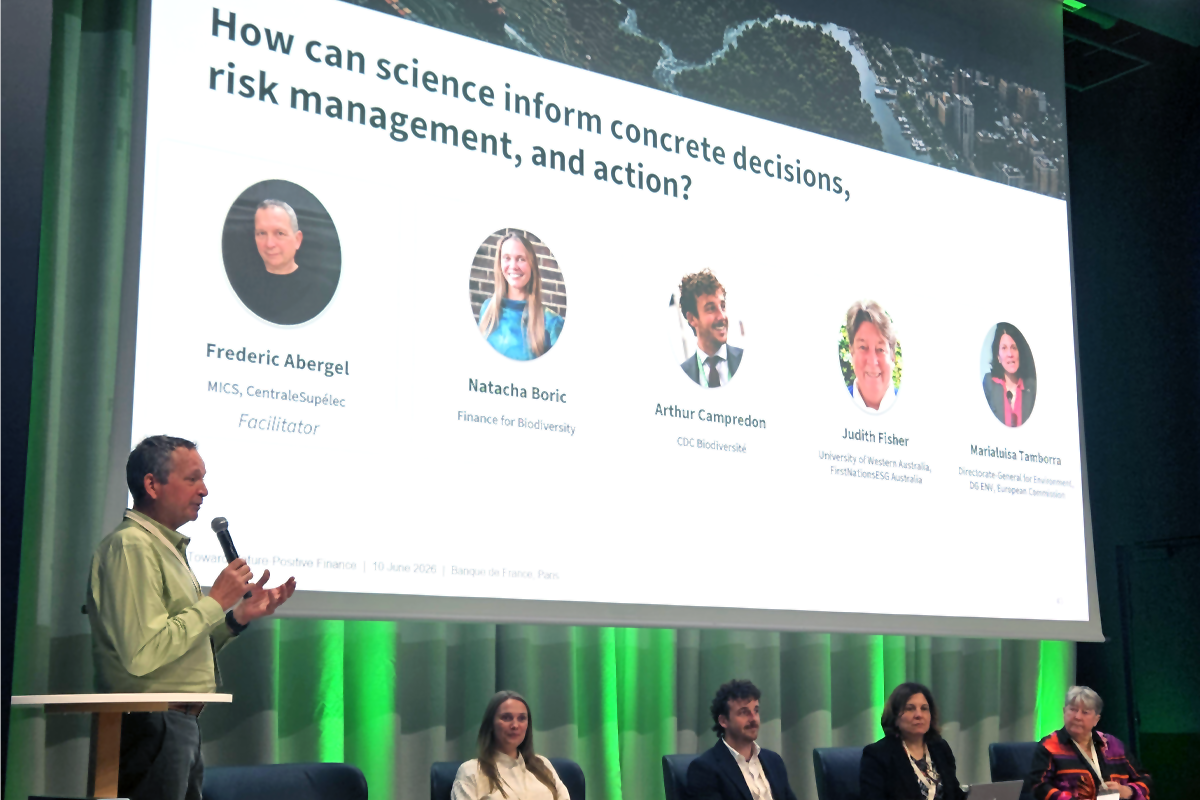
12:00 – 13:00 Panel session 2 – How can science inform concrete decisions, risk management, and action?, with Natacha Boric (Finance for Biodiversity), Arthur Campredon (CDC Biodiversité), Judith Fisher (University of Western Australia) & Marialuisa Tamborra (Directorate-General for Environment, European Commission), facilitated by Frederic Abergel (CentraleSupélec)
13:00 – 14:10 Lunch
14:10 – 14:25 Introduction to the Interactive Workshop (for on-site participants only), by Tom Wild (University of Sheffield, BiodivRestore Knowledge Hub)
14:25 – 16:10 Breakout sessions
- Traditional Ecological Knowledge, with expertise support from Gordon Cole (Chair of the Noongar Chamber of Commerce and Industry, Co-Founder of First Nations ESG), Judith Fisher (University of Western Australia, Former member of the IPBES task force on Indigenous and local knowledge systems) & Diana Mangalagiu (Neoma Business School & University of Oxford, IPBES Nexus Assessment Coordinating Lead Author)
- Harmful incentives, with expertise support from Faryde Carlier (Conservation International) & Jennifer Hole (Conservation International)
- Environmental accounting, with expertise support from Clément Feger (AgroParisTech)
- Nature credits, with expertise support from Romain Julliard (National Museum of Natural History) & Dalia D’Amato (Finnish Environment Institute, RESPIN project)
- EU Nature Restoration Regulation, with expertise support from Benjamin Kupilas (Ecologic Institute, BiodivRestore Knowledge Hub), Paola Lepori (ICLEI Europe), Laura Puértolas (Albirem Sustainability, BiodivRestore Knowledge Hub) & Teresa Spantzel (Ecologic Institute)
16:10 – 16:30 Break
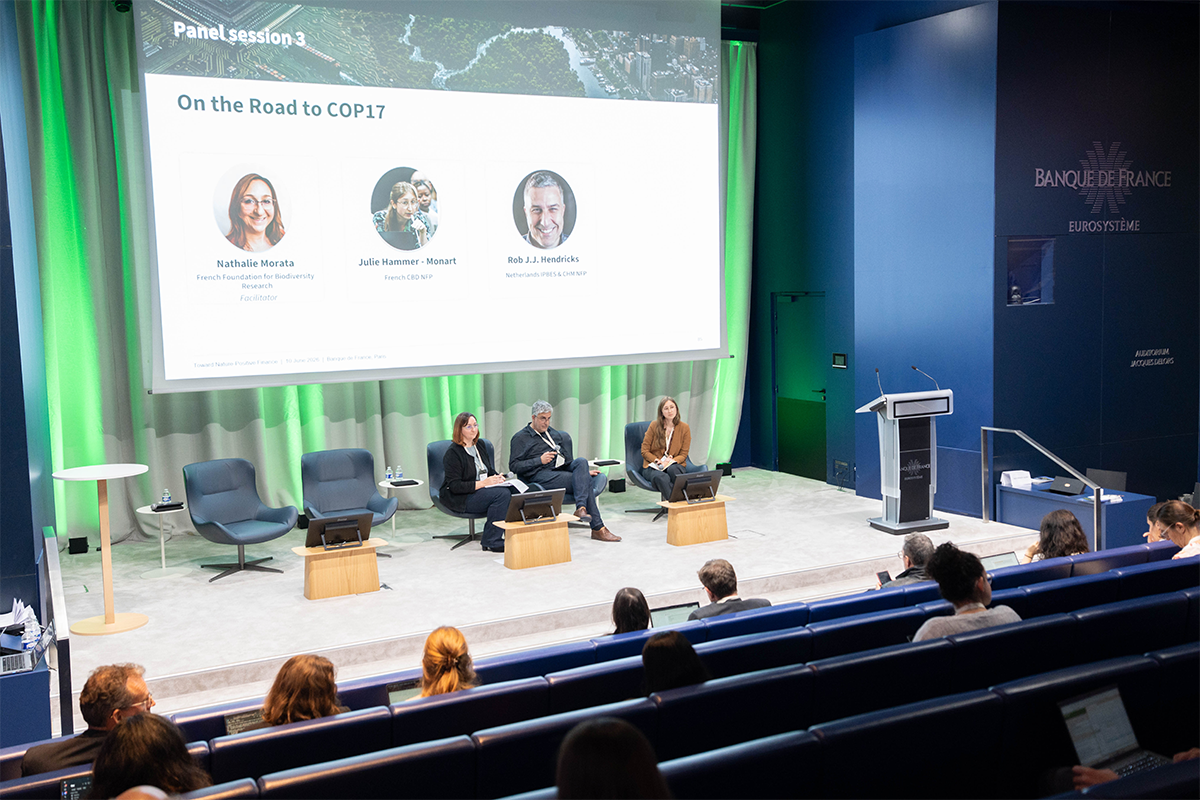
16:30 – 17:05 On the road to COP17: Presentation and discussion of a Business & Biodiversity technical brief developed with CO-OP4CBD to support EU and Member State negotiators, by Nathalie Morata (FRB)
17:05 – 17:30 Introducing the Joint Statement on Nature-Related Financial Risks
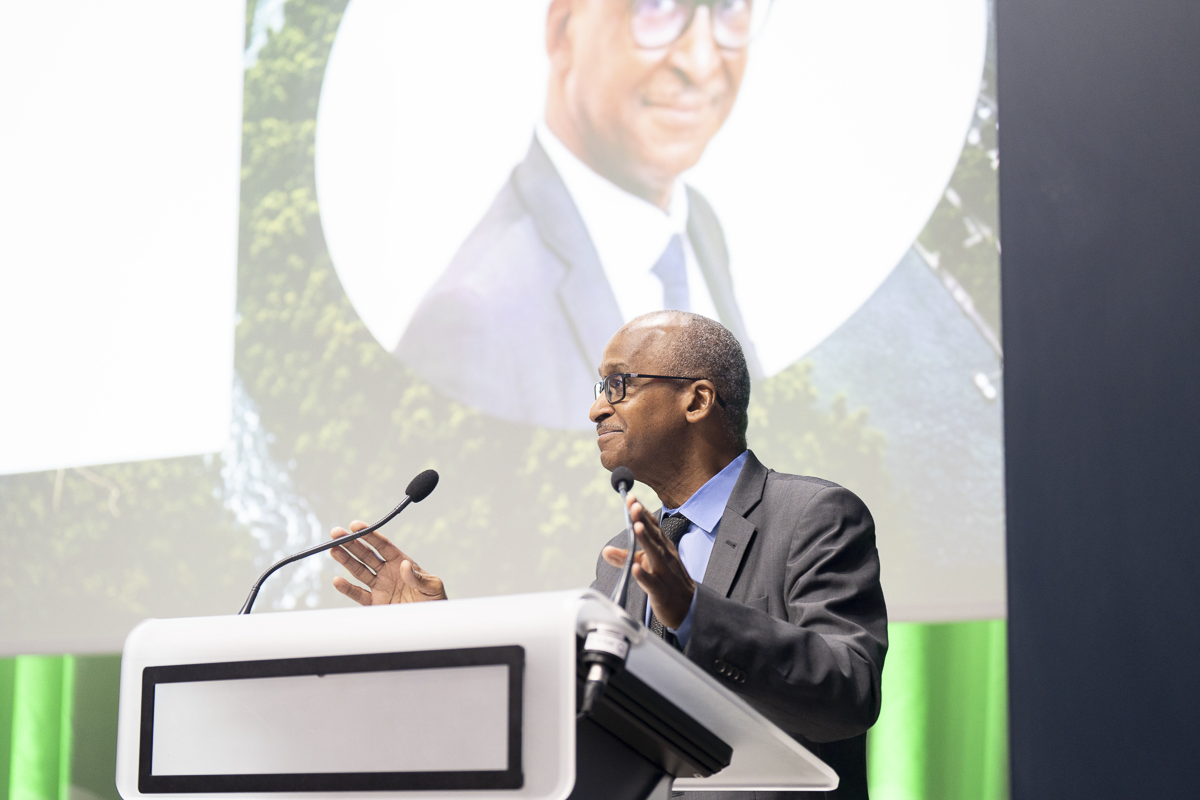
17:30 – 17:45 Closing words, by Ivan Odonnat (Director General of Financial Stability and Operations, Banque de France)
17:45- 19:00 Cocktail & networking
Scientific committee
- ABERGEL Frederic (MICS, CentraleSupélec)
- CANAVAN Rory (IENE, BiodivRestore Knowledge Hub)
- CARLIER Faryde (Conservation International)
- COUVET Denis (French Foundation for Biodiversity Research)
- D’AMATO Dalia (Syke Finland, RESPIN)
- DURIEUX Cloé (French Foundation for Biodiversity Research, Biodiversa+, BiodivRestore Knowledge Hub)
- FEGER Clément (AgroParisTech, Ecological Accounting Chair’s “ecosystem accounting” research axis)
- FISHER Judith (University of Western Australia, Former member of the IPBES task force on Indigenous and local knowledge systems)
- GARCIA Claude (Bern University of Applied Sciences)
- HOLE Jennifer (Conservation International)
- JONES Matt (UNEP-WCMC, IPBES Business and Biodiversity Assessment Co-Chair)
- JULLIARD Romain (French National Museum of Natural History)
- KUPILAS Benjamin (Ecologic Institute, BiodivRestore Knowledge Hub)
- LAUREAU Constance (French Foundation for Biodiversity Research)
- LEPORI Paola (ICLEI Europe)
- MACLET Camille (IAP Biocredits)
- MANGALAGIU Diana (Neoma Business School & University of Oxford, IPBES Nexus Assessment Coordinating Lead Author)
- PUÉRTOLAS Laura (Albirem Sustainability, BiodivRestore Knowledge Hub)
- SPANTZEL Teresa (Ecologic Institute)
- UNKULE Mithila (French Foundation for Biodiversity Research, Biodiversa+)
- VENTOCILLA Jorges Luis (RBINS)
- WILD Tom (University of Sheffield, BiodivRestore Knowledge Hub)
Organising committee
- CANAVAN Rory (IENE, BiodivRestore Knowledge Hub)
- CHINWEUBA Esther (UNEP-WCMC, RESPIN Project)
- D’AMATO Dalia (RESPIN Project)
- DANIEL Sandra (Banque de France)
- DE BOUVILLE Julie (French Foundation for Biodiversity Research, Biodiversa+)
- DINESEN Lars (IPBES Denmark, Biodiversa+)
- DURIEUX Cloé (French Foundation for Biodiversity Research, Biodiversa+, BiodivRestore Knowledge Hub)
- FISHER Judith (University of Western Australia, Former member of the IPBES task force on Indigenous and local knowledge systems)
- GARNIER Marjolaine (French Foundation for Biodiversity Research)
- HANOUNE Eve (Banque de France)
- HOANG Phong (Belspo, Biodiversa+)
- KREMER Elise (Banque de France)
- LAUREAU Constance (French Foundation for Biodiversity Research)
- PAROT ALVAREZ Laura (French Foundation for Biodiversity Research)
- PUERTOLAS Laura (Albirem Sustainability, BiodivRestore Knowledge Hub)
- TRAPENARD Viven (Banque de France)
- UNKULE Mithila (French Foundation for Biodiversity Research, Biodiversa+)
- WEGNER Oriane (Banque de France)
- WILD Tom (University of Sheffield, BiodivRestore Knowledge Hub)
Date & time: 10 June 2026, all day
Location: Banque de France | 31 rue Croix-des-Petits-Champs, 75049 Paris
Format: Workshop
Biodiversa+, together with Banque de France, the BiodivRestore Knowledge Hub, CO-OP4CBD, the French Foundation for Biodiversity Research (FRB), and the RESPIN project, is co-organising a high-level workshop on 10 June 2026 in Paris. The workshop is recognised as an EU Green Week 2026 partner event.
The workshop aims to strengthen the interface between science, policy, and finance, and to support the transition toward nature-positive financial systems, in line with growing European and global policy momentum.
It will bring together central banks, financial institutions, investors, researchers, European Commission representatives, and business coalitions. Discussions will focus on how scientific knowledge and emerging methodologies can help identify and manage nature-related risks, inform decision-making, and support the redirection of financial flows toward biodiversity-positive outcomes.
Why this workshop?
Biodiversity loss and ecosystem degradation are increasingly recognised as material nature-related risks to economic performance, financial stability, and long-term value creation. Yet, the persistent failure to account for nature, and to integrate its values into economic and financial systems, continues to drive ecosystem degradation and the decline of nature’s contributions to people, including essential ecosystem services.
The Kunming-Montreal Global Biodiversity Framework (KM-GBF) provides a clear policy signal by calling on businesses and financial institutions to:
- assess and manage their impacts and dependencies on nature (Target 15);
- eliminate or reform incentives harmful to biodiversity (Target 18);
- mobilise, scale up, and redirect financial flows toward biodiversity-positive outcomes (Target 19).
Despite this momentum, financial flows remain insufficiently aligned with biodiversity objectives. A key barrier is the limited availability of decision-useful scientific reference points, including robust baselines, validated methodologies, spatial indicators, and clearer insights into systemic risks and trade-offs. These gaps make it difficult for public and private actors to effectively integrate biodiversity considerations into risk management, governance, and investment decisions.
Objectives
Drawing on recent assessments from the Intergovernmental Science-Policy Platform on Biodiversity and Ecosystem Services (IPBES), including the Business and Biodiversity, Nexus, and Transformative Change assessments, the workshop will explore how science can better support financial and economic decision-makers.
The programme will combine plenary sessions with interactive discussions, inviting participants to:
- examine real-world constraints faced by financial actors,
- identify key decision bottlenecks,
- articulate priorities and needs for public research, and
- explore conditions that enable the uptake of scientific tools and approaches.
Breakout discussions will address themes such as restoration planning as a stress test for evidence gaps, modelling and methodological validation, the role of Indigenous and local knowledge, harmful incentives and financial misalignments, and emerging nature-related financial instruments, including nature credits.
The workshop will also contribute to ongoing international discussions on biodiversity and finance, including preparations for COP17 of the Convention on Biological Diversity, by highlighting opportunities to strengthen science-finance cooperation.
Please note that full in-person participation is by invitation only. If you are interested or would like additional information, feel free to contact constance.laureau@fondationbiodiversite.fr.
To make the event as inclusive as possible, plenary sessions will be available online. Click below to register for online access: