Watch on Youtube
BioMonWeek 2026 brought Europe’s biodiversity monitoring community together in Montpellier to discuss how monitoring can better support decisions for nature. Across five days, the event showed a field rich in methods, data and expertise, and a shared challenge: turning this diversity into monitoring systems that are connected, trusted and useful.
Biodiversity monitoring now sits at the centre of major European and global commitments for nature. Restoration targets, environmental reporting, protected area management, freshwater and marine policy, soil health, pollinator recovery and corporate sustainability all depend on credible evidence. Monitoring helps identify where biodiversity is changing, why it is changing, and whether action is making a difference.
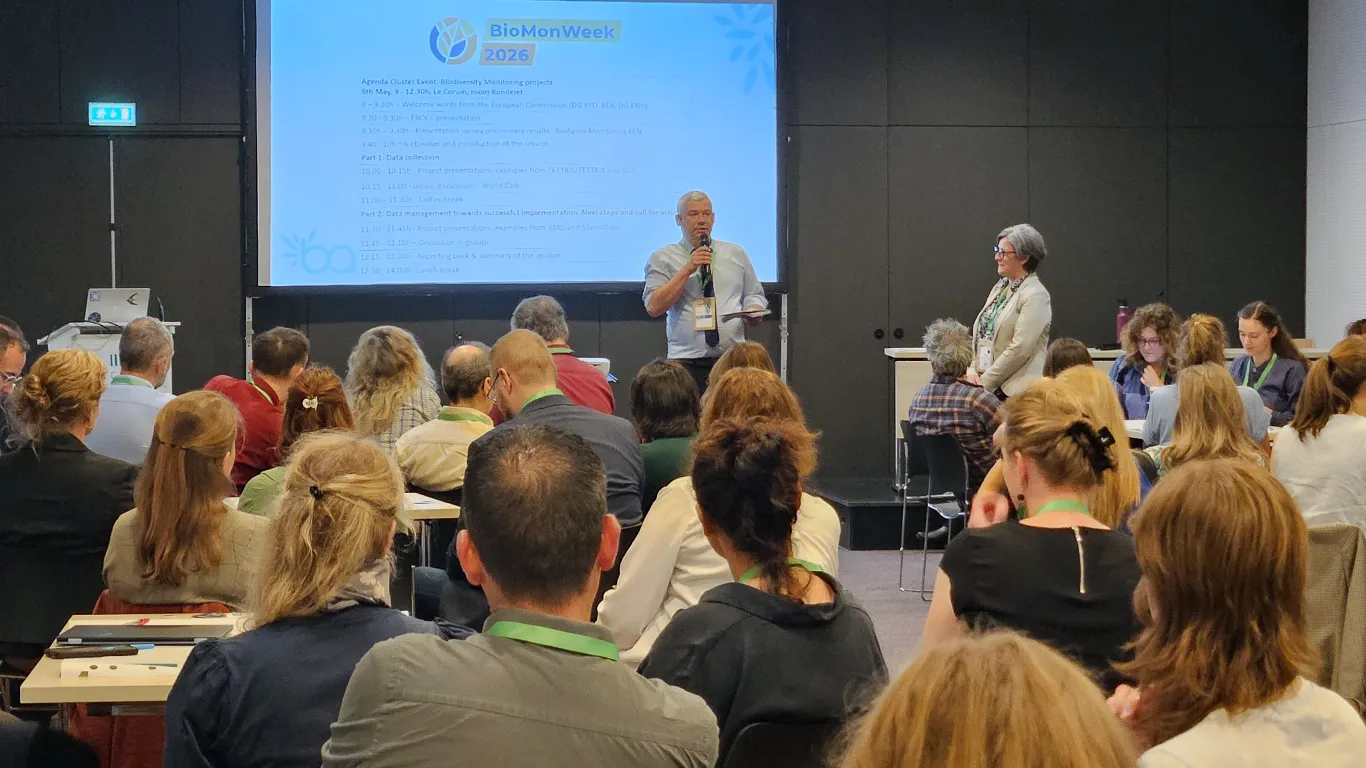
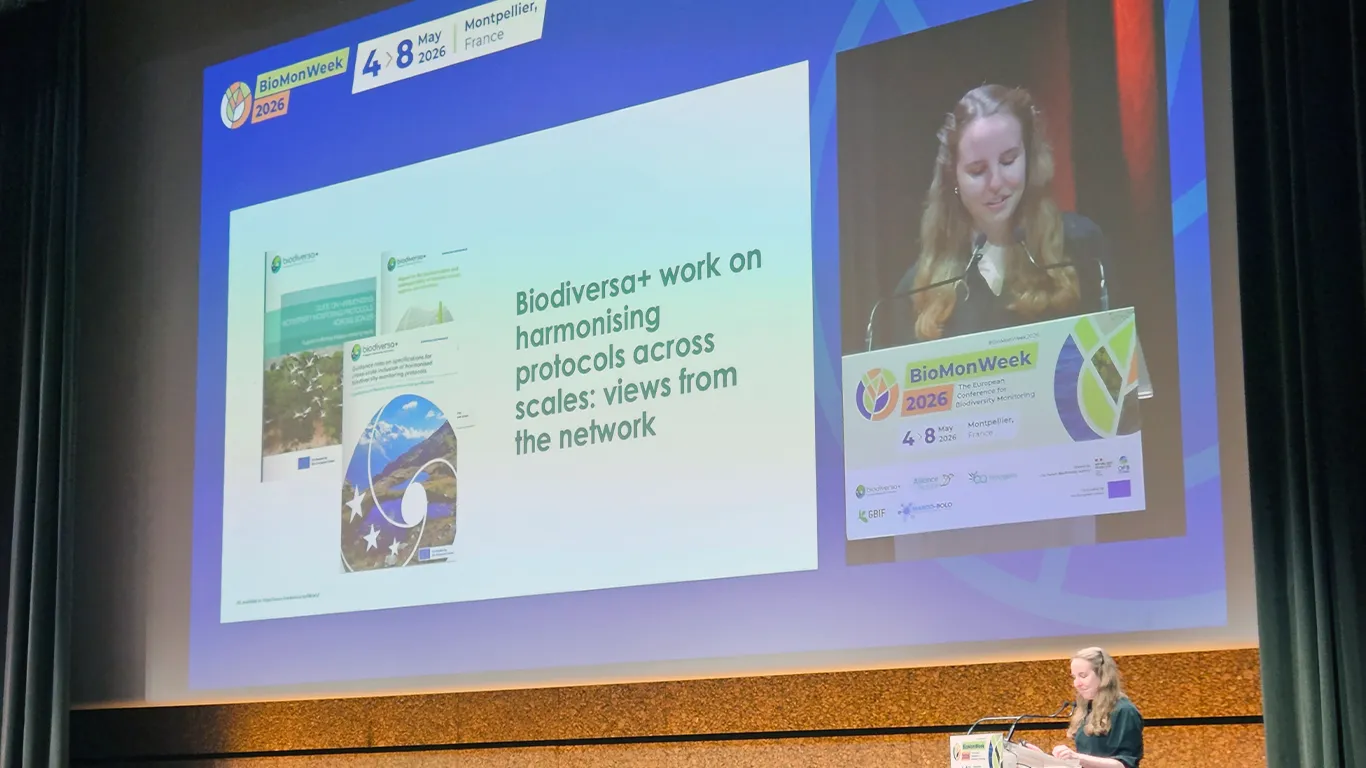
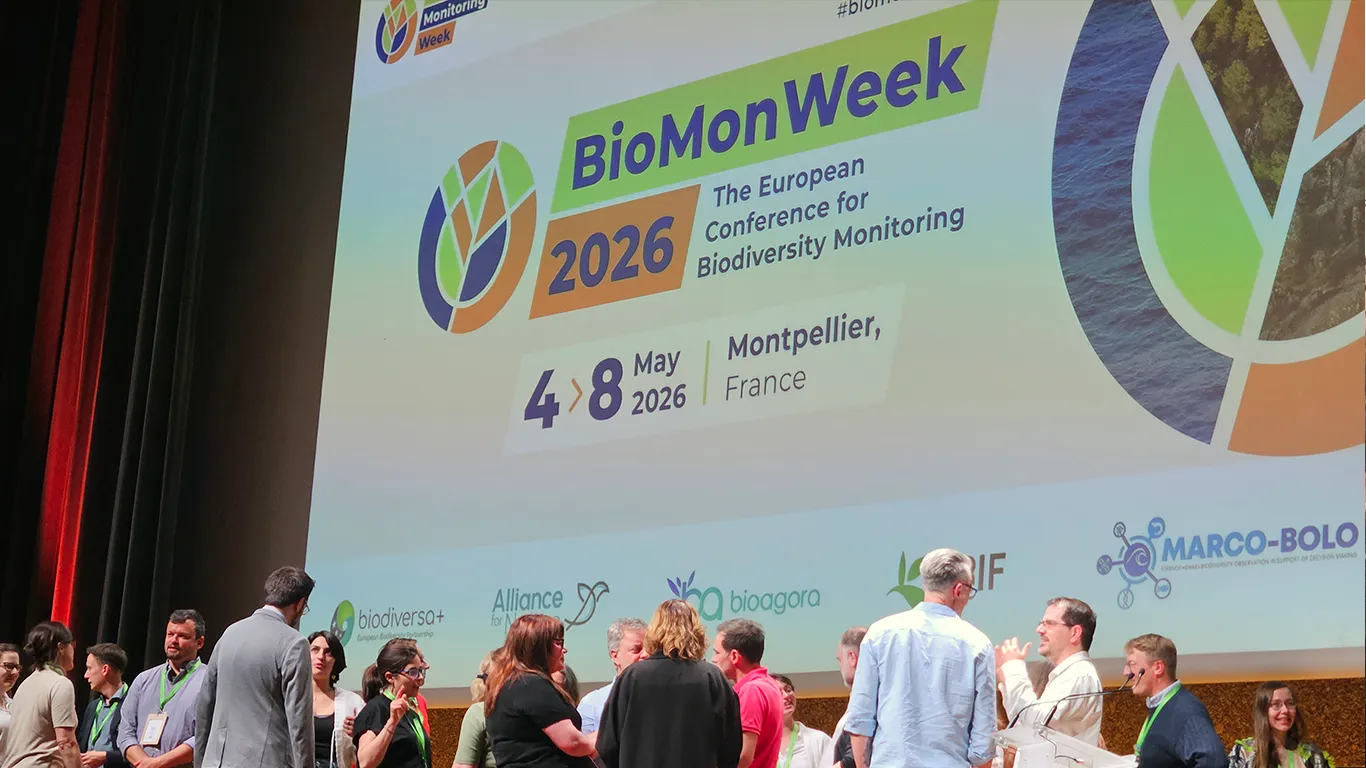
Held from 4 to 8 May in Montpellier, BioMonWeek 2026 gathered researchers, policymakers, practitioners, data experts, technology developers, citizen science communities, and many others involved in observing and understanding biodiversity. Co-organised by Biodiversa+, Alliance for Nature, BioAgora, GBIF ECA and MARCO-BOLO, it covered a wide range of topics, including: novel technologies, community-based monitoring, national monitoring schemes, biodiversity indicators and data infrastructures. The strongest discussions, however, were less about individual approaches than about how these pieces can be made to work together.
From scattered efforts to coordinated systems
Europe already produces large amounts of biodiversity data. Across the week, participants shared many examples of monitoring schemes, infrastructures and methods that generate valuable evidence.
The challenge is that this evidence often remains fragmented. Data may be difficult to access or reuse. Methods may differ in ways that limit comparison. National schemes may produce results without being fully connected across borders. Promising tools may remain outside operational monitoring because validation, standards or governance are missing. Scientific results may not reach policymakers, site managers or practitioners in a usable form.
Coordination therefore ran through the week as a central concern. Rather than a single central system, a more effective European monitoring landscape requires clearer roles, common minimum requirements, interoperable data flows, stronger links between national and European initiatives, and governance that extends beyond project cycles.
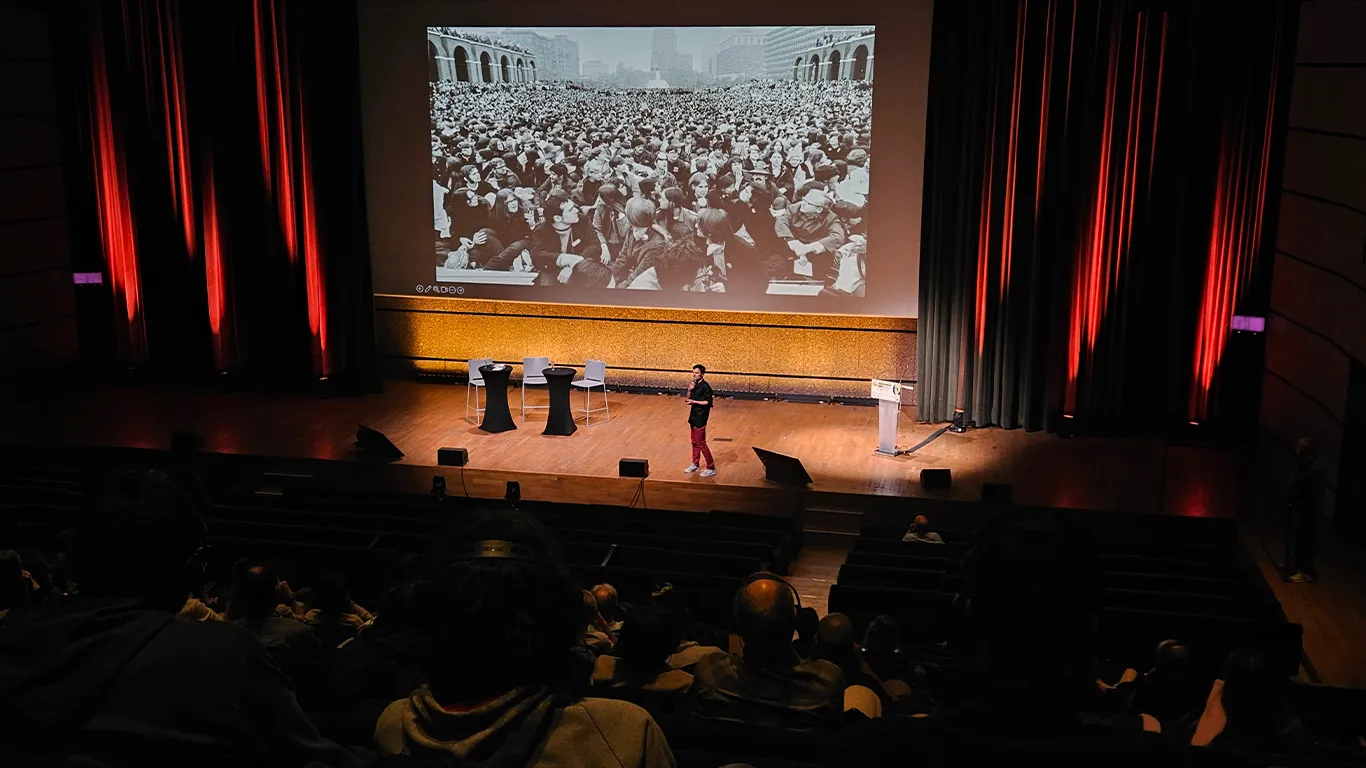
The plenaries helped frame this discussion. The opening session on “Bridging Research and Policy” addressed the alignment of research, policy and implementation. “Building a Community” focused on the human dynamics behind monitoring. The panel on Australia’s TERN Programme showed how remote sensing, field monitoring and intensive research sites can be combined within a long-term architecture. Other sessions explored harmonisation across local, national, regional and European scales, while SCANS offered a concrete example of sustained cooperation in marine monitoring. Taken together, these discussions presented biodiversity monitoring as a form of long-term public infrastructure.
Recordings of the plenary sessions
Innovation needs trust
BioMonWeek also showed how quickly monitoring methods are evolving. Environmental DNA is moving closer to routine use in freshwater, marine and terrestrial contexts. Remote sensing, drones and LiDAR are improving habitat mapping and landscape-level assessment. Acoustic recorders, camera traps, radar systems and automated insect monitoring are expanding the scale and frequency of observation. Marine sessions showed how computer vision, underwater video, eDNA, seabed mapping and modelling can inform management and restoration.
These approaches can help monitor places, species and processes that were previously difficult, costly or dangerous to observe. They can increase coverage, improve frequency and detect changes earlier.
But the discussions kept a strong sense of realism, highlighting that innovation strengthens monitoring when it is embedded in robust systems, not when it operates as a parallel layer of experimentation. New methods need testing, calibration and interpretation. eDNA depends on reliable reference databases and harmonised workflows. AI-supported identification needs expert validation. Remote sensing still depends on field data. Automated sensors create value when their outputs can be processed, quality-controlled and connected to ecological questions.
From data storage to usable knowledge
These technological advances positioned data management as a key practical foundation for future monitoring. The discussions went beyond making data FAIR in principle: they focused on what is needed for data to be trusted, interpreted and used across contexts. This includes clear provenance, quality control, standardised workflows, links to reference material where relevant, and outputs that can feed into indicators, maps, dashboards or models.
This usability question is becoming more urgent as monitoring is increasingly expected to support a wide and growing range of policy and management needs, from restoration to corporate sustainability. The Nature Restoration Regulation, in particular, raises the bar: countries need evidence on where habitats are, what condition they are in, where restoration is needed, and whether measures are working.
Monitoring therefore needs to capture more than species presence. It must help interpret habitat condition, ecosystem function, connectivity, pressures and restoration outcomes. That requires data systems that can carry evidence from observation to interpretation, and from interpretation to decision.
People remain the foundation
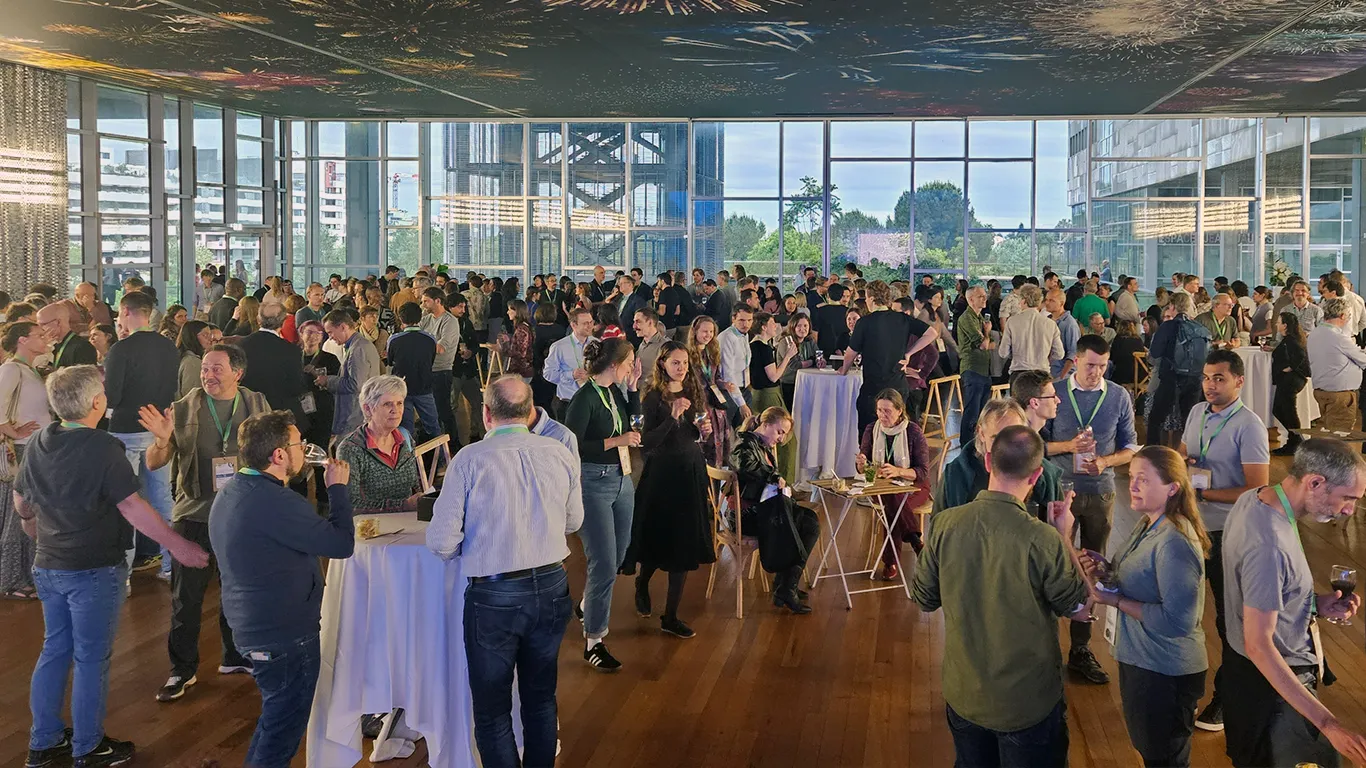
At the heart of all this—now as ever—are people. Monitoring systems depend on them: from field ecologists, taxonomists and data managers to public authorities, site managers and volunteers, as well as Indigenous and local knowledge holders, citizen scientists, NGOs, businesses and research infrastructures. Together, they shape what is observed, how evidence is interpreted, and whether it is ultimately used.
Sessions on Indigenous and local knowledge stressed trust, consent, data sovereignty and co-defined priorities. Citizen science was presented as a source of scale, continuity and engagement, provided data quality and feedback to contributors are taken seriously. Capacity-building sessions highlighted the need for skills in field methods, taxonomy, genetics, remote sensing, AI, data stewardship and science-policy work.
Biodiversa+ as a connector
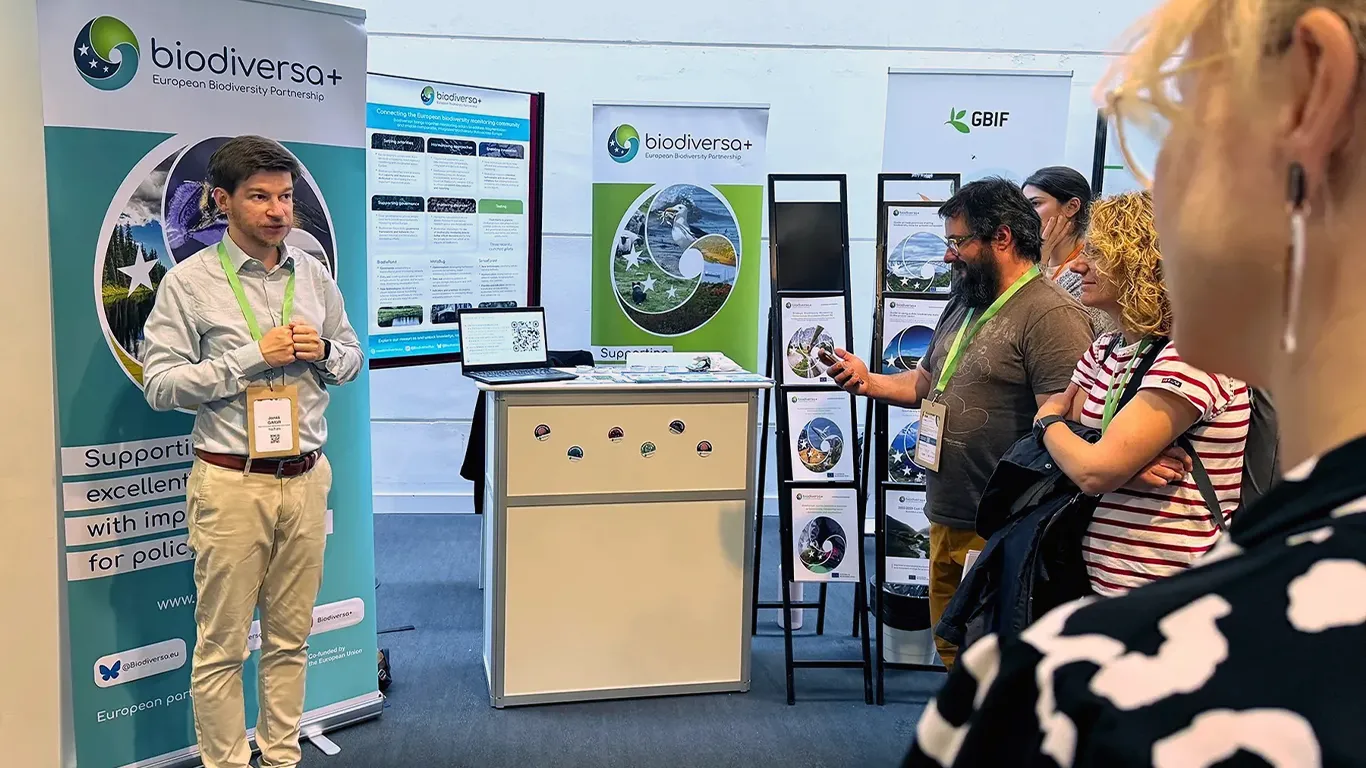
For Biodiversa+, BioMonWeek was a key moment to engage with the wider monitoring community and make visible one of the Partnership’s core priorities: supporting a more coordinated European biodiversity monitoring landscape.
Biodiversa+ contributes by helping connect national and regional monitoring schemes, supporting alignment on priorities, methods and data standards, and testing common approaches through pilots. Its role is best understood as connective: helping create the conditions for monitoring efforts to become more comparable, interoperable and useful across Europe.
BioMonWeek showed why this connective role matters. Many of the barriers discussed during the week sit between institutions, disciplines and scales: fragmented responsibilities, uneven standards, disconnected data flows and short project cycles. Addressing these challenges will require more than better tools: it will demand sustained coordination, shared spaces, and trust among the people and organisations that produce, manage, and use biodiversity evidence. This is the direction Biodiversa+ aims to support.
… The conversation will continue: the next edition of BioMonWeek will take place in Turku, Finland, from 15 to 19 May 2028. Save the date!
BioMonWeek covered a wide range of monitoring challenges, from ecosystems and technologies to data, governance, policy and skills. Explore the thematic syntheses below for a closer look at the main issues and takeaways from each area.