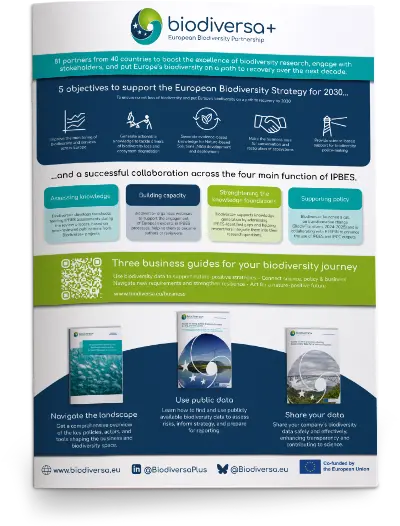
IPBES and Biodiversa+

In line with its objective to reinforce the science-policy interface on biodiversity – including at the global level –, Biodiversa+ engages with the Intergovernmental Science-Policy Platform on Biodiversity and Ecosystem Services (IPBES).
Biodiversa+ has been contributing to the four main functions of IPBES since its start in 2012.
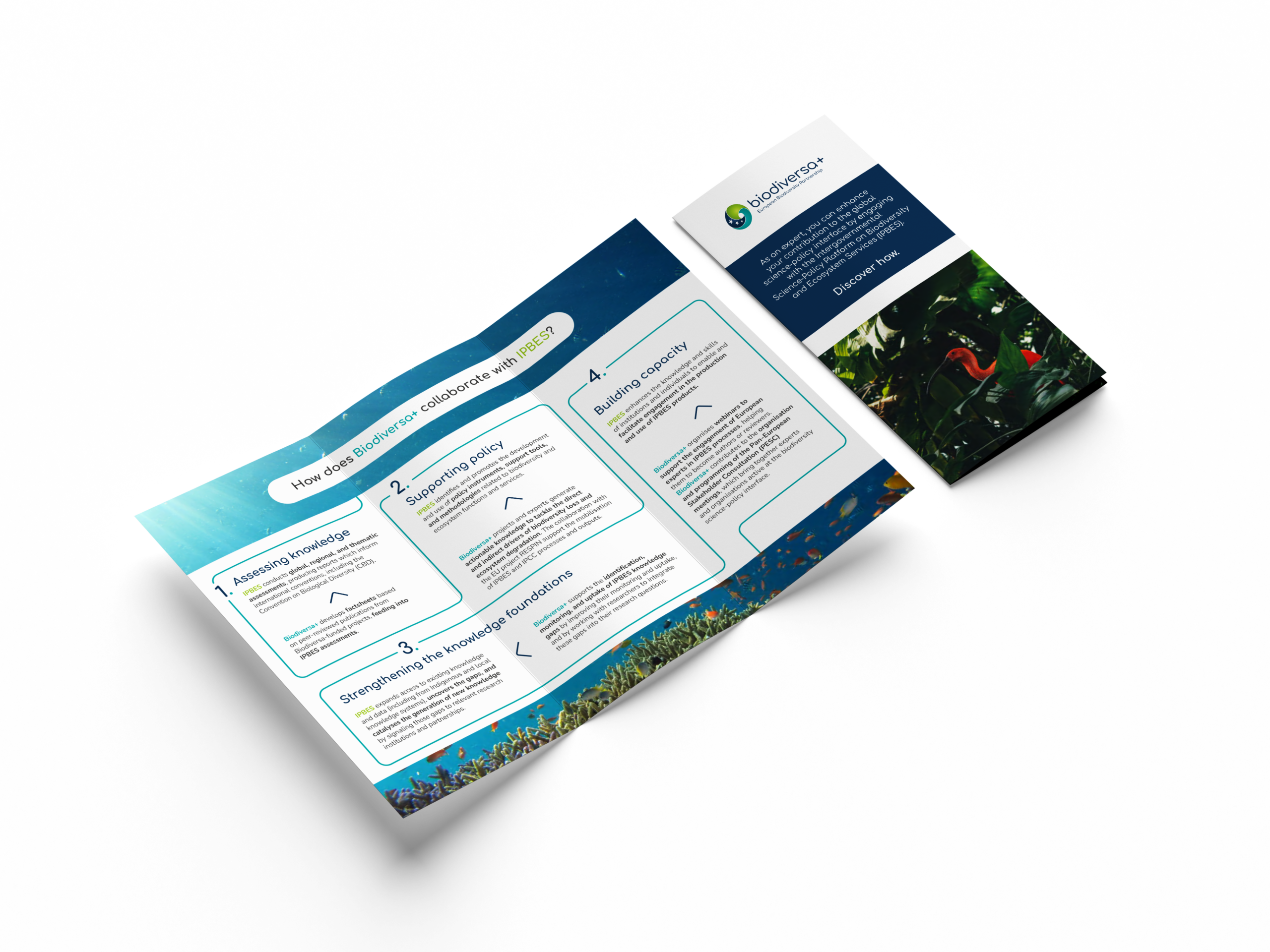
In practical terms, the collaboration between Biodiversa+ and IPBES translates into the following activities:

Assessing knowledge
Biodiversa+ is developing factsheets feeding IPBES assessments during the review process, based on peer-reviewed publications from Biodiversa+ projects.
Findings from BiodivHealth projects (METRODIVER on Marine Protected Areas, and from DiMoC and Dr Forest on biodiversity-human health linkages) were cited in the IPBES Nexus Assessment (2024), based on factsheets.

Building capacity
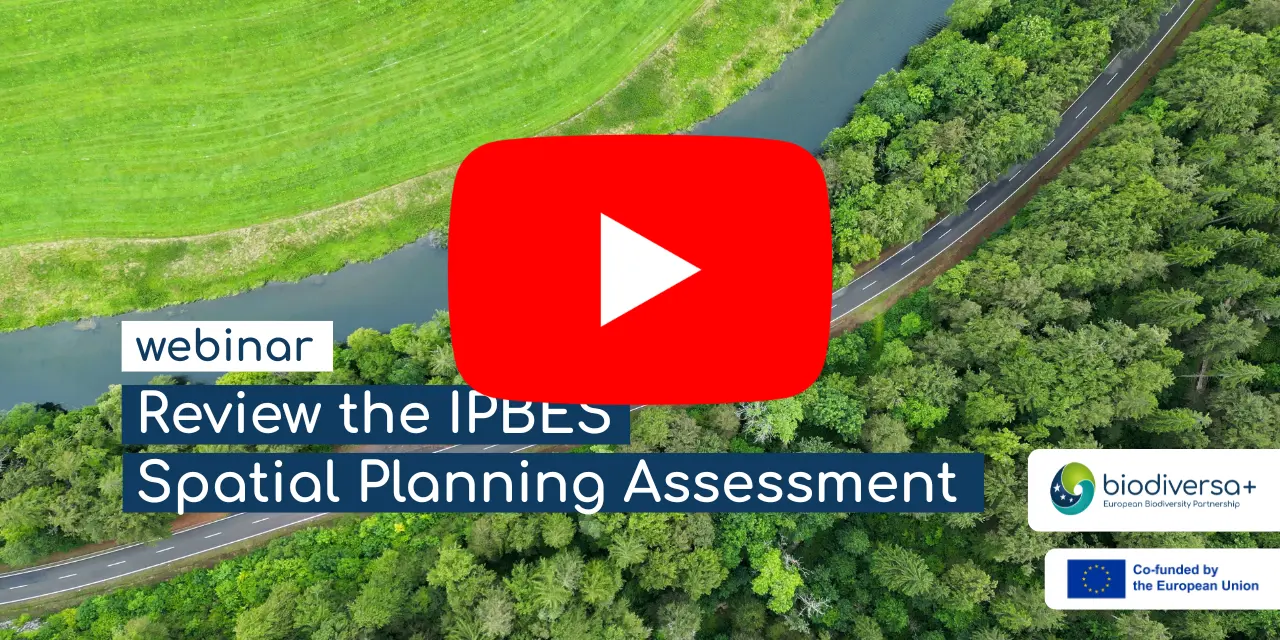
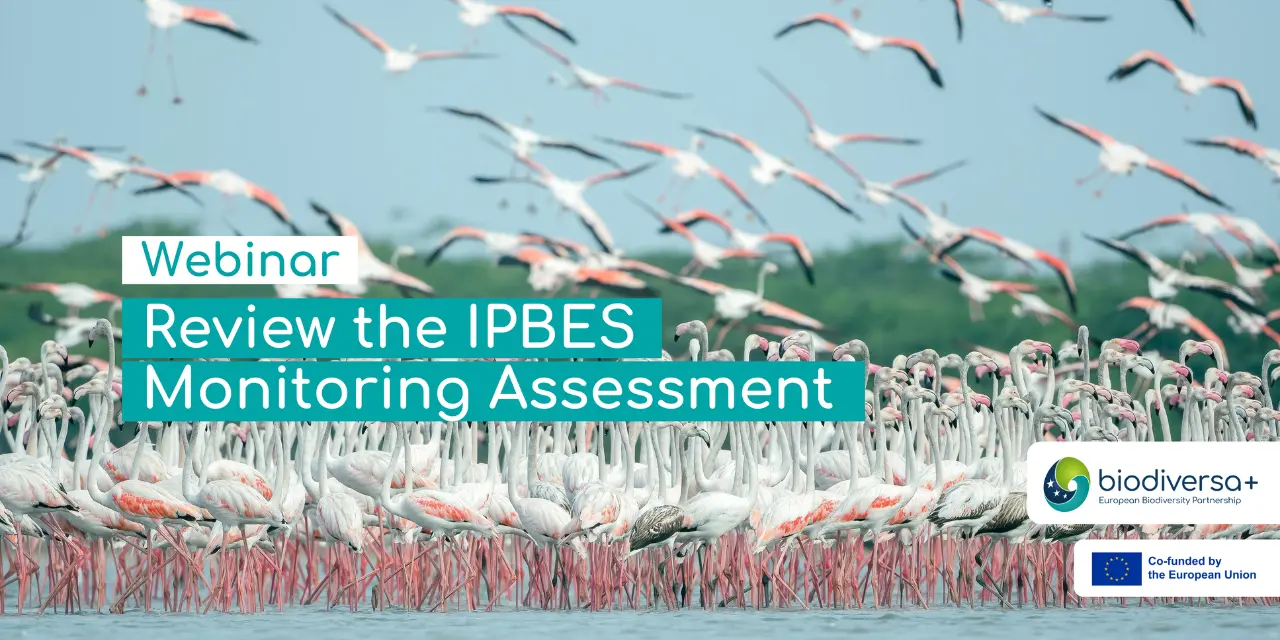
Biodiversa+ is organising webinars to support the engagement of European experts in IPBES processes, helping them to become authors or reviewers.
It is participating in the organisation and programming of the the Pan-European Stakeholder Consultation (PESC) meetings (ECA Network meetings in Europe and Central Asia).

Strengthening the knowledge foundations
Biodiversa+ is supporting knowledge generation to address knowledge gaps identified by IPBES, for example by producing a report with recommendations to improve the monitoring and uptake of IPBES knowledge gaps, and by working with researchers on how to integrate them into their research questions.
It also hosted the IPBES Technical Support Unit (TSU) for “Knowledge Generation Catalysis” in 2019 and 2024.

Supporting policy
Biodiversa+ launched a call on Transformative Change (2024-2025) to advance work on the integration of multiple conceptualisations of values.
The collaboration with the EU-project RESPIN is also being strengthened to support the provision and use of IPBES and IPCC processes and outputs.
Discover more about the collaboration
Since 2019, Biodiversa+ has been hosting the TSU on Knowledge Generation Catalysis and works to:
- Support IPBES assessments authors in the process of identifying knowledge gaps.
- Promote the uptake of identified knowledge gaps by relevant external organisations and stakeholders through the organisation of dialogues and workshops across the five UN regions.
- Monitor the impact of knowledge generation catalysis efforts by assessing whether new research initiatives effectively address IPBES knowledge gaps.
- Review and further develop a process to catalyse the generation of new knowledge, including living guidelines and templates for the identification, documentation and presentation of knowledge gaps in IPBES assessments and beyond.
What is IPBES?
IPBES is an independent intergovernmental body established by States to strengthen the science-policy interface for biodiversity and ecosystem services for the conservation and sustainable use of biodiversity, long-term human well-being and sustainable development. Established in 2012, it assesses biodiversity and ecosystem services globally, identifies policy-relevant knowledge gaps, and promotes capacity-building.
The 2030 work programme of IPBES is grouped into six functions:

Assessing knowledge

Building Capacity

Strengthening the knowledge foundations

Supporting policy

Communicating and Engaging

Improving the effectiveness of the Platform
More information

Biodiversa+ IBPES-12 poster (2026)