This summer, Biodiversa+ looks back at research projects supported through its predecessor, BiodivERsA, exploring how scientific collaboration has contributed to policy, practice and innovation. Each story highlights what changed, how researchers worked with stakeholders, and what future projects can learn from their experience.
The intensification of agriculture and the conversion of semi-natural areas to cropland are considered serious threats to biodiversity in Europe. They have led to a loss of Green and Blue Infrastructure (GBI) in agricultural landscapes. GBI includes landscape structures and habitats such as hedges, water meadows, field margins and woodland, essential for ensuring connectivity between habitats and allowing the migration of species.
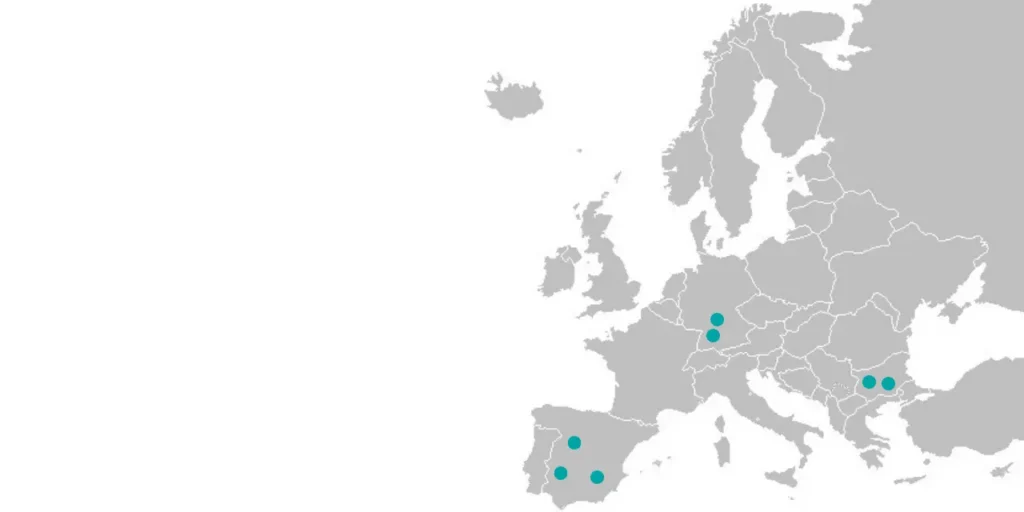
In this context, the BIOGEA project (funded under BiodivDynamics) emerged with a bold mission: to explore how changes in land use, driven by the Common Agricultural Policy (CAP) Greening, impact GBI in agricultural landscapes. Through meticulous research across Bulgaria, Germany, and Spain, and extensive collaboration with stakeholders, BIOGEA has significantly influenced biodiversity strategies at both European and national levels.
BIOGEA’s journey began with an in-depth analysis of CAP policies at the EU and national levels. The project team studied six diverse case study areas, covering both extensive and intensive agricultural systems. This approach allowed them to assess how various farming practices and policy implementations affect biodiversity. Crucially, they engaged with stakeholders through interviews, workshops, and round tables, ensuring insights from all decision-making levels informed their research.
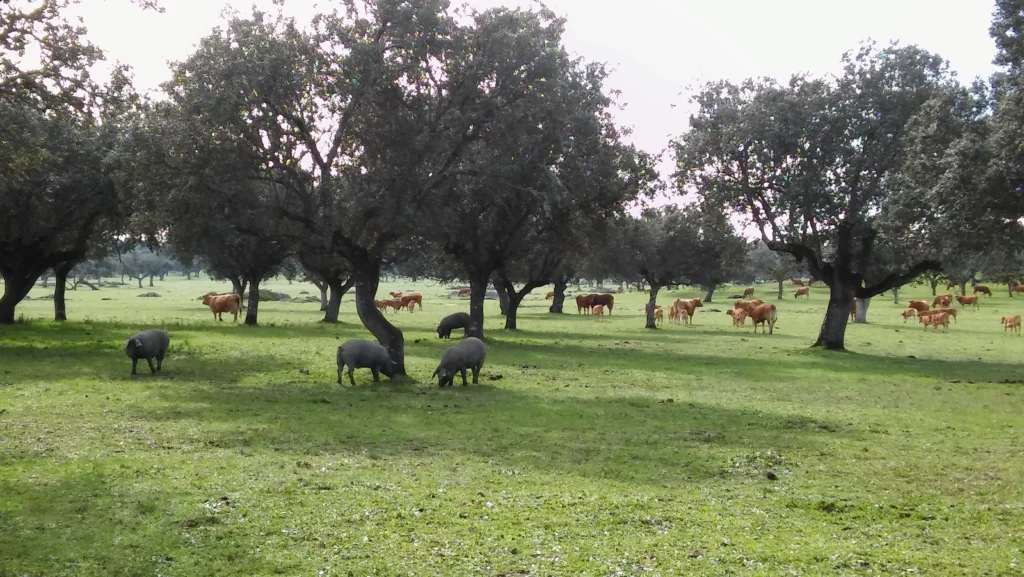
Photo: Moreno Marcos
The project’s impact extended across various scales and through different processes.
On the ground
Revealing the power of Green and Blue Infrastructures
The project’s findings underscored the vital importance of GBI, such as hedges, trees, and grass strips, in supporting biodiversity within agricultural environments. However, BIOGEA highlighted a critical challenge: farmers often favor environmental measures aligned with their existing practices, overlooking more beneficial options. Recognising the need for a baseline of GBI across all agricultural lands, the project emphasised additional GBI in landscapes with intermediate agricultural intensity. For extensive systems, maintaining existing GBI is essential, while intensive systems require targeted efforts to restore these infrastructures for maximum biodiversity benefits.
At national level
Spain
BIOGEA partners were invited by the national government to monitor and assess the new CAP’s implementation. Their research informed policy briefs and workshops, directly influencing national strategies.
Bulgaria
BIOGEA findings were pivotal in shaping discussions around the rural development program and the national CAP Strategic Plan. The project’s insights led to the inclusion of eco-schemes focusing on landscape features, marking a significant policy advancement.
On European policies
Strategic recommendations to shape the next CAP
BIOGEA presented a set of forward-thinking recommendations for the next CAP. One key recommendation was that at least 10% of agricultural land should consist of ecologically effective GBI, excluding productive measures. The project also stressed the importance of implementing region-specific environmental objectives at the landscape scale, advocating for more extensive management through eco-schemes. This approach targets a minimum of 10 to 20% extensive agricultural management at the regional level. Additionally, BIOGEA called on Member States to ensure robust monitoring of GBI and their environmental impact within strategic plans, emphasizing the need for farm-specific advisory services. This advisory support is crucial in helping farmers understand the biodiversity benefits of specific measures, with agricultural agents encouraged to grasp the environmental justifications behind these practices.
From Brussels to the fields: influencing European policies
BIOGEA’s impact was most evident during a pivotal event at the European Parliament, where project results were presented to policymakers, stakeholders, and experts. This event, strategically timed with discussions on the new CAP and the Green Deal, helped ensure BIOGEA’s recommendations were heard. Notably, the call for 10% of agricultural land to be dedicated to high-diversity landscape features was incorporated into the EU’s European Biodiversity Strategy, reflecting BIOGEA’s influence alongside other scientific projects.
Across scales
Building bridges: strategic partnerships for lasting impact
BIOGEA’s success was rooted in its strategic partnerships. The team included individuals with strong ties to decision-making bodies at both EU and national levels. Organizations like Adelphi provided a crucial bridge between research and policy, while collaborations with stakeholder groups such as Copa-Cogeca and the EEB Agriculture Working Group ensured diverse perspectives were integrated. From the outset, BIOGEA’s engagement with stakeholders was designed to be inclusive, targeting key individuals and groups to maximize the project’s relevance and accessibility. This strategy involved conducting individual interviews, organizing discussion groups, and hosting a parliamentary event co-organized with IUCN. Moderated by Members of the European Parliament from different countries and political parties, this event ensured the project’s findings were presented in a balanced, non-partisan manner.
The relationships and methodologies developed through BIOGEA have laid the groundwork for ongoing collaborations. In Germany, for example, the CAP4GI project, funded by the Federal Ministry of Education and Research, builds on BIOGEA’s concepts to further enhance the ecological impact of CAP measures.
Similar follow-up projects across Europe aim to deepen policy analysis from national to regional levels, ensuring BIOGEA’s legacy continues to influence sustainable agricultural practices.
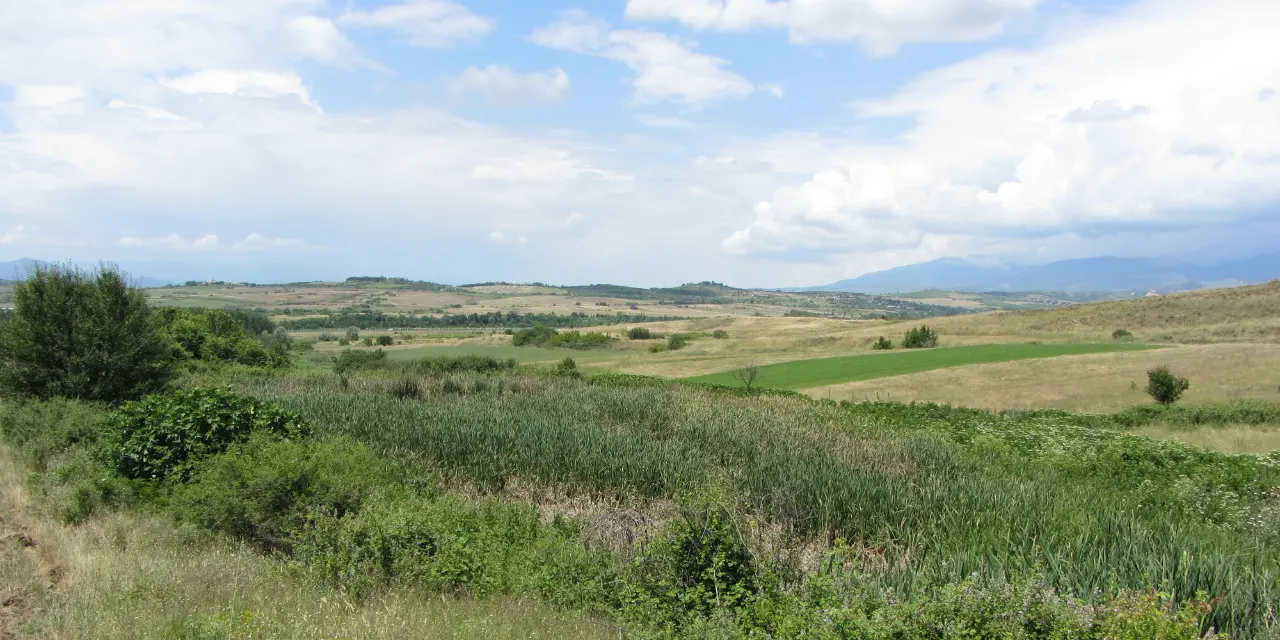
Lukanov, Bulgaria. Photo: BIOGEA