The Intergovernmental Science-Policy Platform on Biodiversity and Ecosystem Services (IPBES) has published its Business and Biodiversity Assessment, the first global evaluation of how businesses depend on and impact biodiversity, and how governance systems shape these relationships.
Drawing on the latest scientific knowledge, the assessment outlines the key drivers, risks, and response options linked to business-nature interactions. Like all IPBES reports, it does not recommend specific policies but provides a strong evidence base to inform decision-making in government and business.
All businesses depend on and impact biodiversity
All businesses, regardless of size, sector, or location, relies on biodiversity. Healthy ecosystems support supply chains, production, infrastructure, and markets. Yet, by driving shifts in land and sea use, resource extraction, pollution, and climate change, business activities continue to accelerate biodiversity loss
The report highlights biodiversity loss as a systemic risk to the global economy, pointing to a stark financial imbalance: an estimated $7.3 trillion per year in financial flows drive biodiversity loss, compared to roughly $220 billion invested in conservation and restoration.
Action is possible, but insufficient
Awareness of nature-related risks is increasing, but corporate action remains insufficient. The assessment notes that businesses do not need perfect data to start acting and identifies over 25 immediate steps and around 40 quick wins that companies can implement based on their risks and operational contexts.
However, voluntary initiatives alone are unlikely to reverse biodiversity loss and even the most ambitious corporate efforts will have limited impact without broader systemic changes. The report stresses the critical role of public policy and governance, including regulations, economic incentives, and financial systems, in shaping how businesses interact with biodiversity.
IPBES highlights persistent gaps in knowledge, monitoring, and indicators that limit our understanding of business impacts and dependencies on biodiversity. These gaps, especially at local and sector‑specific levels, call for deeper efforts, including assessing how existing policies, tools, and data are applied in practice. Strengthening research, monitoring systems, and knowledge infrastructures will be key to enabling informed and effective decision‑making.
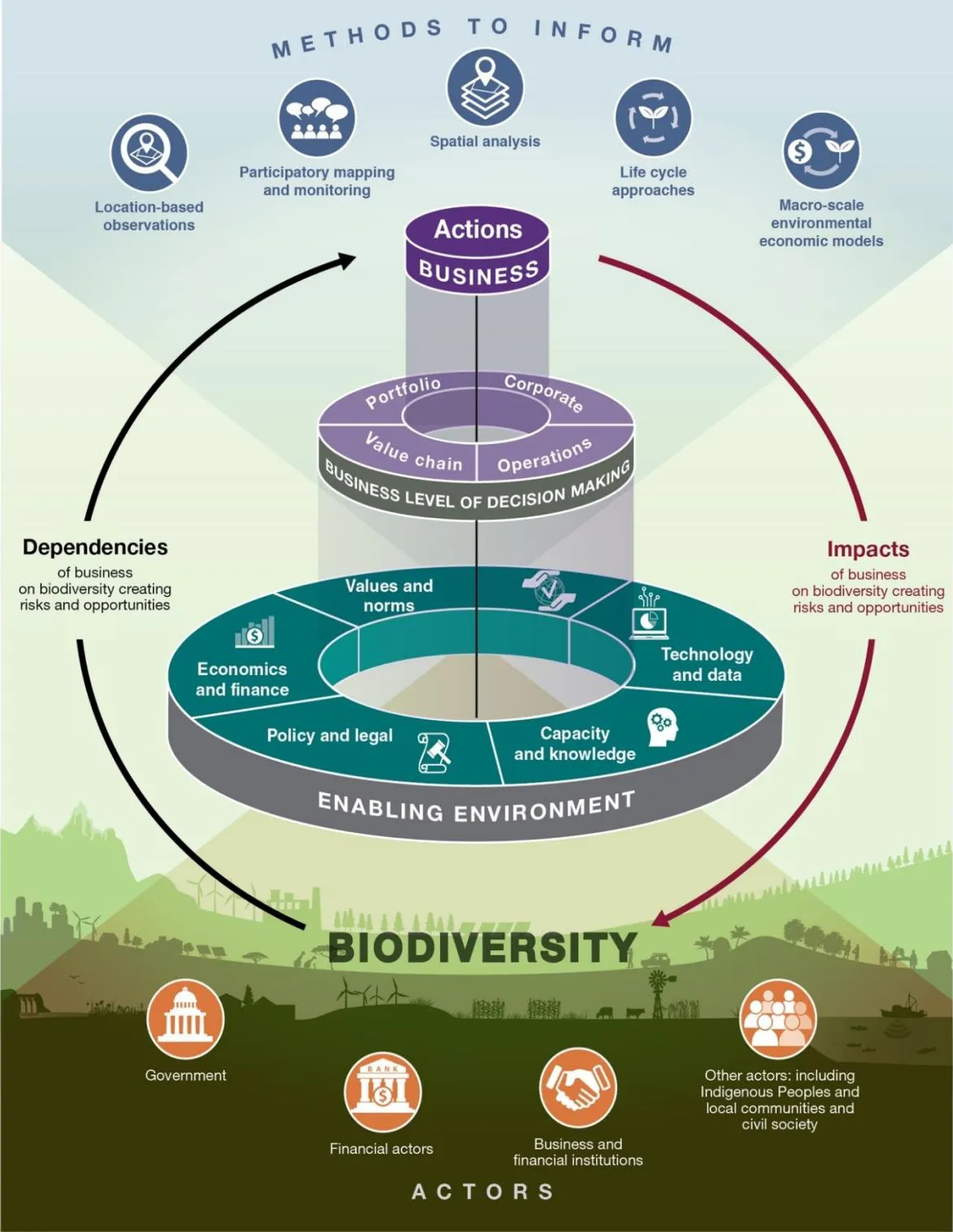
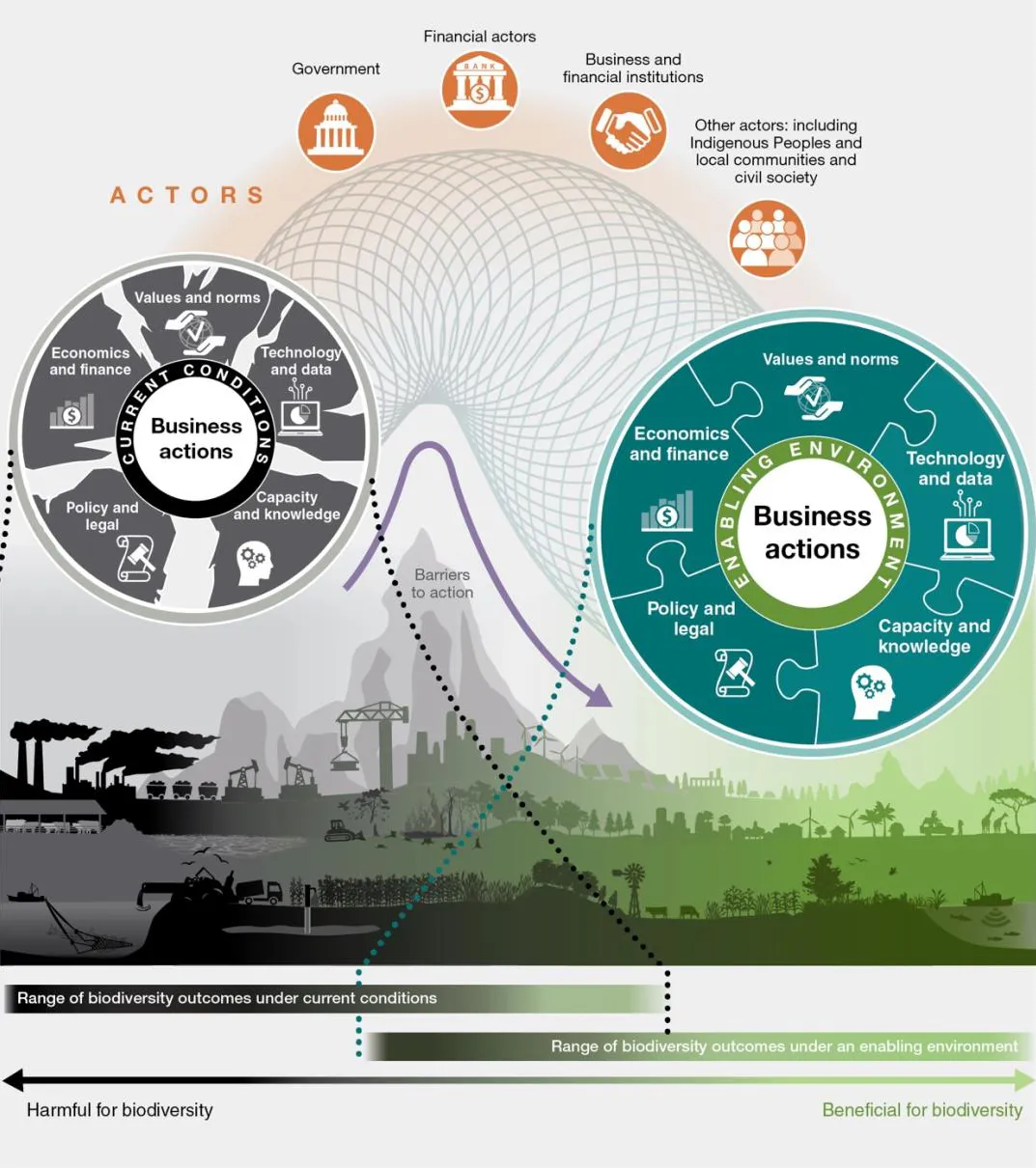
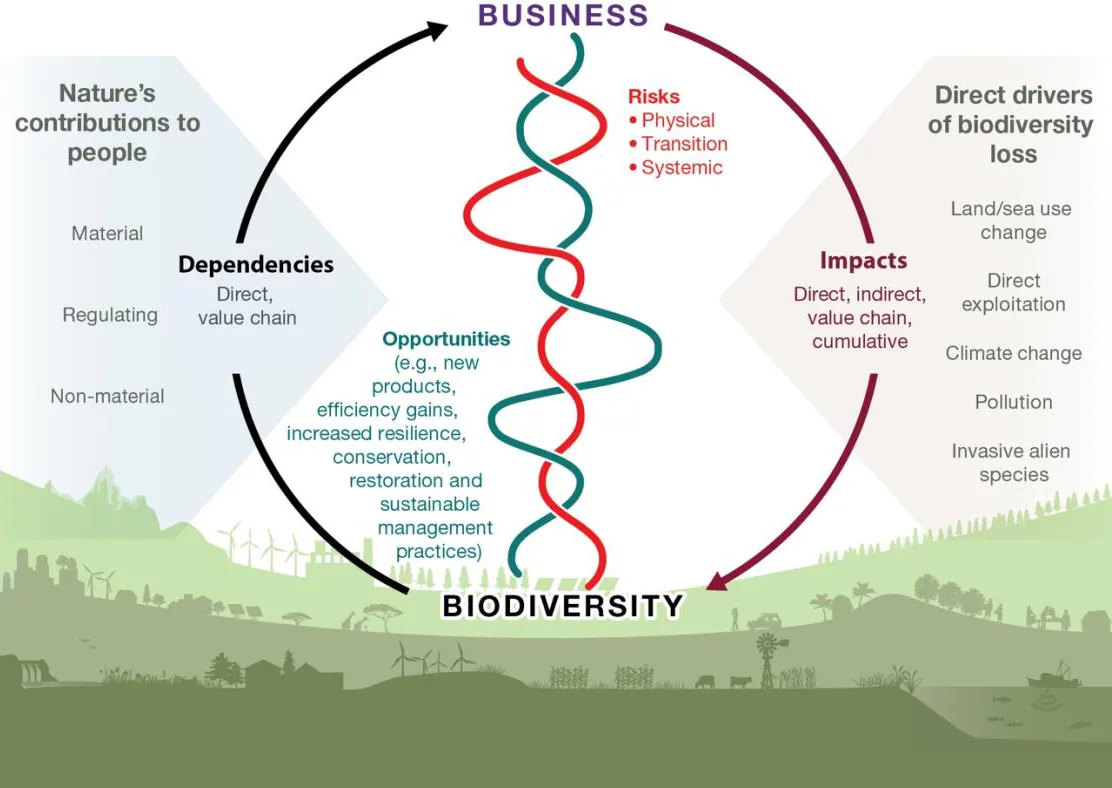
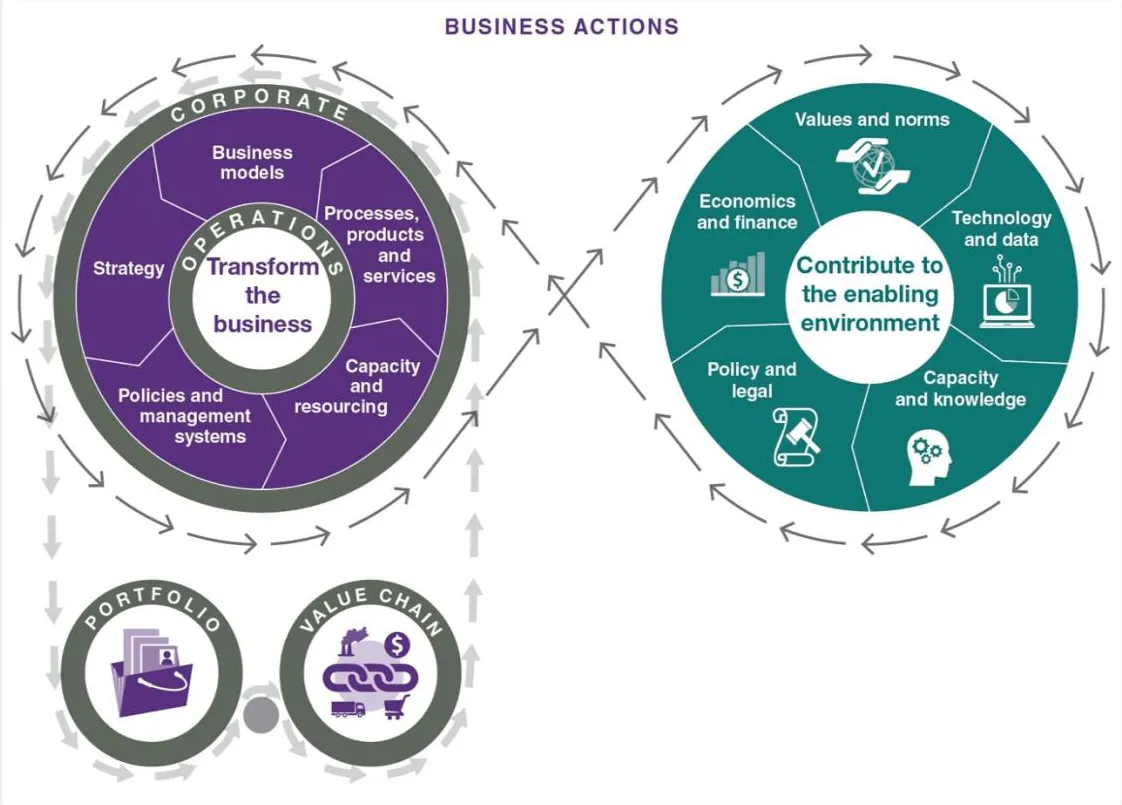
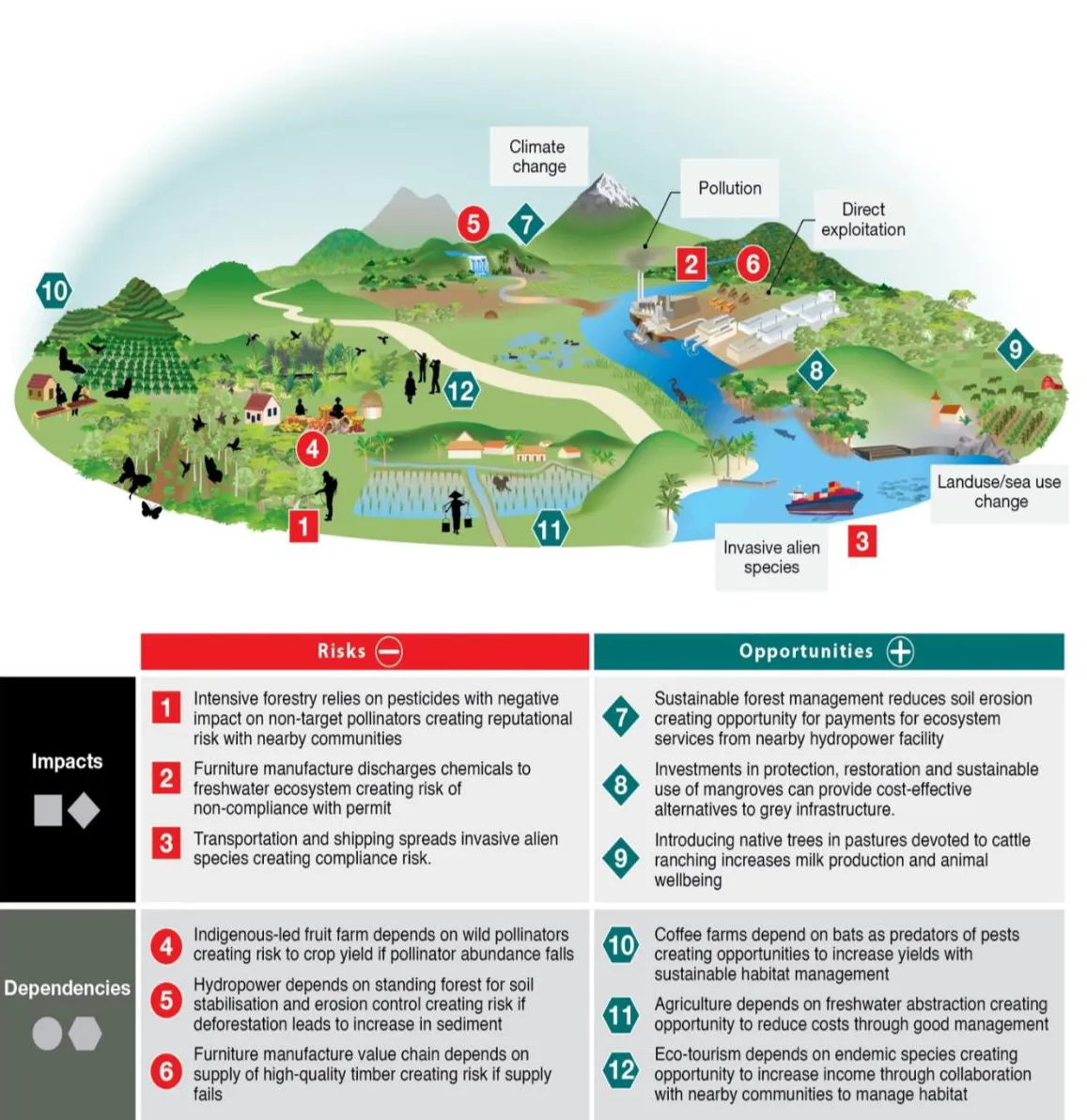
Use the explorer below to dig into the key messages and policy options from the assessment.
Creating an enabling environment helps align what is beneficial for businesses with what is beneficial for biodiversity and nature’s contributions to people. The assessment outlines the actions needed to build such an environment, organised by both the actors involved and the key components of the enabling environment.
Biodiversity assessment methods vary in their suitability for business use. Based on coverage, accuracy and responsiveness. The assessment shows where current methods are fully applicable, where they require caution, and where they are not yet feasible for different decision‑making levels and purposes.
| Primary Dimension |
Location-based
|
Participatory
|
Spatial Analysis
|
Life Cycle
|
Macro-scale
|
|---|
Knowledge gaps for measuring business impacts and dependencies can be identified across five broad areas: 1) business-relevant data; 2) data accessibility and transparency; 3) completeness of evidence; 4) adoption of methods; and 5) applicability of methods. Addressing each of these knowledge gaps would significantly improve applicability by businesses and improve business accountability.