This summer, Biodiversa+ looks back at research projects supported through its predecessor, BiodivERsA, exploring how scientific collaboration has contributed to policy, practice and innovation. Each story highlights what changed, how researchers worked with stakeholders, and what future projects can learn from their experience.
Sedges and rushes rise in dense, tangled stands across the waterlogged ground, their roots threading through a soft carpet of moss that never quite dries. Small pools break the green expanse here and there, mirroring the sky in still, quiet patches. A slow suspension between land and water.
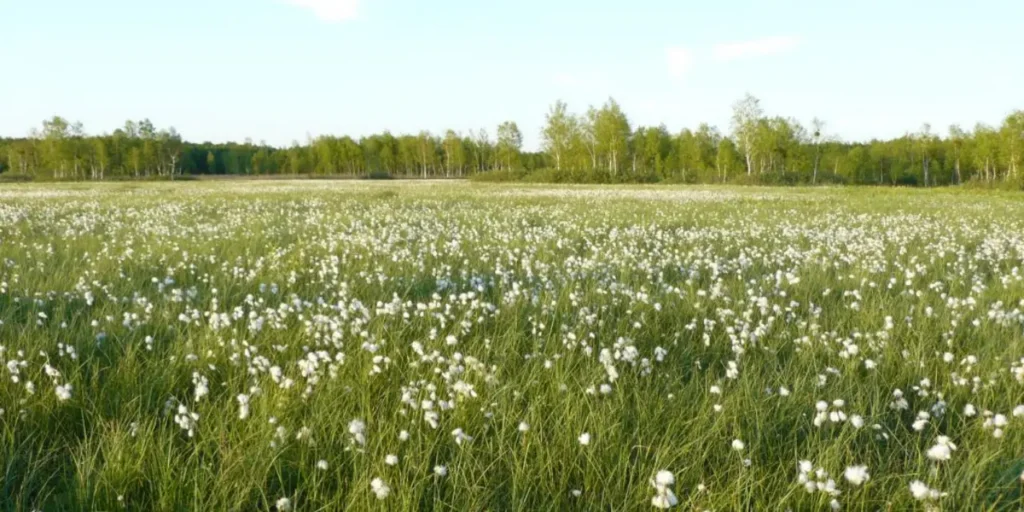
Natural fens of the Biebrza Valey, Poland. Credit: REPEAT
Peat soils around the world represent the most concentrated stores of soil carbon. Their drainage process, following agricultural measures, has turned most of European peatlands from major carbon sinks to significant sources of carbon released into the atmosphere. Rewetting is a well-established method for peatlands restoration to improve climate change mitigation and other ecosystem services provision. Surprisingly little is known regarding the ability of peatlands restoration’s process to reinstate carbon accumulation, especially in groundwater-fed fens, which are far less investigated in this respect than rainwater-fed bogs, with different mechanisms of peat accumulation.
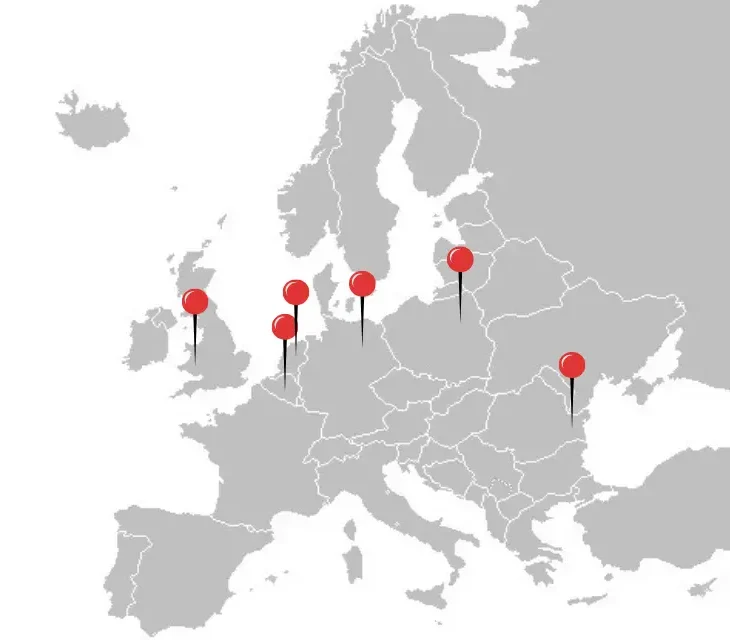
REPEAT study sites: Wales, Belgium, Netherlands, Germany, Poland, Romania
Peatlands, often overshadowed in climate policy discussions, have found a powerful advocate in the REPEAT project. This European research initiative has not only advanced the scientific understanding of peat formation in fen ecosystems but has also made significant strides in influencing policy for climate action and ecosystem restoration across the continent.
At its core, the REPEAT project sought to unravel the complexities of peat formation in fen peatlands. Researchers explored biogeochemical processes, soil community structures, and plant litter quality to understand how drained peatlands could be effectively restored through rewetting. However, the team quickly recognised that their highly specialised scientific findings might not resonate with policymakers, whose decisions often rely on more generalised, actionable information.
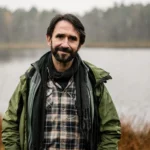
“Peatland restoration is not as straightforward as it might seem. While blocking drainage ditches might work for rainwater-fed bogs, fen peatlands are more complex due to their dependence on groundwater from surrounding catchments.”
Wiktor Kotowski, vegetation ecologist, project leader
This nuanced understanding formed the backbone of the REPEAT project’s unique communication strategy.
By synchronising their communication with the important challenges at stake and the political timeline, the REPEAT team transferred their work from the field to the policy tables.
“We emphasised the general significance of peatlands for climate mitigation,” says biologist Franziska Tanneberger. “This approach allowed us to engage effectively with decision-makers at various levels.”

Simplifying complexity
Rather than inundating policymakers with technical details, the team focused on highlighting the broader importance of peatlands in emission reductions and ecosystem health. By aligning their message with international climate action campaigns and anticipating EU legislation on ecosystem restoration, they ensured their work would have a lasting policy impact.

Targeting key policy areas
- Climate: hosting sessions on peat fires and the carbon footprint of food produced on drained peatlands in COP24 (Poland).
- Agriculture: organising workshops for EU stakeholders to discuss the future of peatlands under the Common Agricultural Policy (CAP).
- Biodiversity: lobbying for the inclusion of peatland restoration targets in the EU Nature Restoration Law.

Influential voices and partnerships
Key figures like Professor Hans Joosten (University of Greifswald) played pivotal roles in translating scientific findings into policy language. His extensive work within the UN Climate Convention set a precedent that the REPEAT project’s communication strategy followed. Partnerships with organisations like the European Association of Wetlands International further amplified their outreach efforts.

Tangible outcomes across Europe
In Poland, outreach activities informed the development of a national wetland strategy. In Germany, the project’s success inspired the “WetScapes” initiative, which secured €5 million in federal funding for wetland restoration. Furthermore, the formation of the PRINCESS project, focusing on fen restoration in nitrogen-enriched environments, built upon REPEAT’s foundations.

Data-driven advocacy
Relying on robust data was key for the project’s success. Publications, such as a Nature Communications paper led by Professor Juergen Kreyling, highlighted the climate benefits of peatland restoration. The Greifswald Mire Centre’s data showed that emissions from drained peatlands account for about 5% of the EU’s total anthropogenic emissions – a figure that exceeds 10% in countries like Poland.
While the REPEAT project has officially concluded, its legacy continues through ongoing publications and new research initiatives. The team’s findings, such as the increased peat accumulation potential of fens with hydrological stability, offer actionable insights for future restoration projects.
“Effective communication doesn’t end with a project,” reflects Tanneberger. “It’s an ongoing process of translating science into policy that makes a real-world impact.”
As Europe grapples with the dual challenges of climate change and biodiversity loss, the REPEAT project stands as a model for how scientific research can drive meaningful policy change.