
Socio-ecological planning of no-fishing MPAs to benefit fisheries
Call
Duration
01/04/2026 – 31/03/2029
Total grant
Approx. 1.9 mil. €
More information
Partners of the project
- Faculty of Biosciences and Aquaculture, Nord University, Bodø, Norway
- Department of Biology, University of Pisa, Pisa, Italy
- MARBEC, University of Montpellier, Montpellier, France
- Biodiversity and Conservation in the Anthropocene Lab, Federal University of Western Pará, Santarém, Brazil
- Spanish National Research Council, Barcelona, Spain
- BlueSeeds, Bordeaux, France
- Faculty of Life and Environmental Sciences, University of Iceland, Reykjavik, Iceland
- High Institute of Computer Science and Multimedia of Sfax, University of Sfax, Sfax, Tunisia
- Institution of Historical Studies, University of Gothenburg, Gothenburg, Sweden
- Institute for Coastal and Marine Research, Nelson Mandela University, Gqeberha, South Africa
- Faculty of Aquatic Sciences, Istanbul University, Istanbul, Turkey
- Zoology Department, University of Zululand, Kwadlangezwa, South Africa
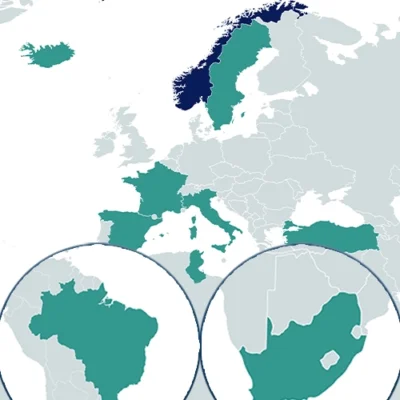
Context
Marine Protected Areas (MPAs) are a proven Nature-based Solution that can simultaneously support biodiversity recovery, ecosystem functioning, and human well-being through sustainable fisheries. However, MPAs are often perceived as conflicting with fisheries, creating political inertia and limiting effective protection despite strong ecological, economic, and social evidence of their benefits. This conflict represents a major obstacle to addressing biodiversity loss and declining coastal fisheries, particularly for small-scale and artisanal communities. By reframing MPAs as a tool that can directly support food security, socio-economic stability, and ecosystem resilience, this project addresses a pressing biodiversity and societal challenge while contributing to international policy targets, including the Convention on Biological Diversity, the EU Nature Restoration Regulation, and the Sustainable Development Goals.
Main objectives
MPA4Fish aims to show how MPAs can become a solution to the problem of declining fisheries experienced by coastal communities. Specifically, the project seeks to demonstrate how well-designed and effectively managed no-take MPAs can enhance fishery productivity through spillover, safeguard genetically diverse broodstock, and stabilise fisheries over time, while simultaneously restoring marine biodiversity. By transforming the perceived conflict between fisheries and conservation into a synergistic relationship, the project aims to support socially equitable, low-cost, and climate-resilient fisheries management that benefits both people and nature.
Main activities
The project will combine global, regional, and local-scale scientific analyses with strong stakeholder engagement. Core activities include global and regional modelling of fisheries and biodiversity data to identify areas where no-take MPAs could maximise fishery and biodiversity benefits, alongside ecosystem modelling to assess spillover and fishing effort redistribution. Local and regional case studies will engage fishing communities and authorities through participatory processes to discuss the idea of no-take zone proposals, supported by ecological, historical, and socio-economic evidence.
Socio-economic analyses and the development and testing of innovative financial mechanisms will strengthen fishers’ capacity to transition toward biodiversity-positive fisheries. Dissemination and knowledge transfer will occur through policy-relevant syntheses, stakeholder workshops, case study reporting, decision-support tools, and a final blueprint for fishery-led MPAs planning. Together, these activities are expected to influence marine spatial planning, reduce conflict between fisheries and conservation, support policy implementation toward 30% ocean protection by 2030, and deliver tangible benefits for food security, biodiversity recovery, and coastal livelihoods.